Planetary parade: How and when to spot six planets in UK skies in rare alignment Rare celestial event brings six planets into view Over the next two days, an unusual cosmic arrangement will offer observers the chance to witness Mercury, Venus, Saturn, Jupiter, Uranus, and Neptune simultaneously in the night sky. This occurrence, noted by the Greenwich Royal Observatory, is described as a rare planetary alignment. Astronomers explain that while the planets won’t form a perfect straight line, they will cluster closely near the sun. This positioning allows for a striking visual display, particularly during the evenings of Saturday, 28 February, and Sunday, 1 March. Visibility details for UK viewers For most locations in England and Wales, Saturday’s skies are anticipated to remain clear until late evening, creating favorable conditions for spotting Mercury, Venus, Saturn, and Neptune. However, these planets will appear near the horizon in the western sky, making them harder to see due to sunlight and urban obstructions. Sunday promises better visibility in southern England, with showery weather likely to spread from the east. The Royal Observatory highlights that Uranus and Neptune will require optical aids like binoculars or telescopes for clear observation, while Jupiter stands out as the easiest to spot. Even in areas with high light pollution, Jupiter’s brightness will make it visible to the naked eye. According to Star Walk, the optimal viewing times in the UK will occur at 6:10pm in London and 6:16pm in Manchester. These moments provide the best chance to catch the planets in their aligned positions. Identifying planets in the sky Astronomers from NASA note that at least one bright planet will typically be visible on most evenings. Dr. Sara Mazrouei, a planetary scientist at Humber Polytechnic, advises: “If it is twinkling, it’s a star. If it is not twinkling, it’s a planet.” This distinction arises because planets orbit the sun, causing them to appear steady in the sky compared to stars, which twinkle due to atmospheric effects. The term “planetary alignment” refers to apparent groupings of planets, the moon, or bright stars as seen from Earth. While the planets aren’t in a direct line, they will appear closely spaced along an arc, creating a visually impressive arrangement. Weather outlook for the event Weather forecasts for the UK present a mix of conditions. On Saturday, clear skies are expected in the south and west, though cloud cover may increase from the north. Sunday sees a shift, with rain developing in the east and heavier downpours in the northwest. Southern England remains the most promising region for unobstructed viewing. Read more from Sky News: Vegetarian diet can slash risk of five cancers NASA reveals details of medical incident Optimizing your stargazing experience To enhance the likelihood of observing multiple planets, Dr. Shyam Balaji, a researcher in astroparticle physics, recommends the following strategies: Choose a site free from city lights to reduce glare Consult up-to-date astronomical tools or platforms to track planetary positions Be mindful of observing near sunrise or sunset, when atmospheric interference is strongest Monitor trusted astronomy resources for real-time updates as the event approaches
Top Adventure Travel News for Seekers of Thrills and Exploration
Adventure travel has become a staple for those who crave more than the ordinary. As the world evolves, travel news for adventure seekers is constantly emerging, offering insights into the latest trends, hidden gems, and unforgettable experiences. Whether you’re planning a trek through the Andes or a skydiving adventure over the Swiss Alps, staying updated with travel news for adventure seekers ensures you’re always one step ahead in the pursuit of excitement. This article compiles the most recent and impactful updates in the adventure travel space, providing a roadmap for thrill-seekers and explorers to plan their next adrenaline-fueled journey with confidence and clarity. What Makes Adventure Travel News Unique? Unlike traditional travel guides, travel news for adventure seekers focuses on the thrill of the unknown and the stories behind the destinations. It highlights not just the places to visit but also the challenges, risks, and rewards that come with venturing off the beaten path. For example, recent reports have emphasized the rise of remote expedition travel, where travelers opt for isolated locations like the Sahara Desert or the Arctic Circle to experience raw, unfiltered adventure. This type of news often includes first-hand accounts from seasoned explorers, making it both informative and inspiring for those ready to push their limits. Must-Visit Destinations in 2024 for Adventure Enthusiasts The year 2024 has brought new opportunities for adventure travelers. From the high-altitude trails of Patagonia to the underwater cave systems in Vietnam, there’s a growing list of destinations that cater to diverse interests. One standout location is Iceland, where the glacier hikes and geothermal wonders have gained traction as a must-try for thrill-seekers. Meanwhile, Southeast Asia remains a hotspot for caving, rock climbing, and jungle expeditions. These regions are not only offering unique landscapes but also new ways to engage with nature, such as eco-lodges that blend seamlessly into the environment. Emerging Trends and Innovations in Adventure Travel The adventure travel industry is evolving rapidly, driven by technology and a desire for immersive experiences. Travel news for adventure seekers now frequently covers the integration of augmented reality (AR) in guiding treks through ancient ruins or using drones to explore remote mountain ranges. Another trend is the rise of adventure-themed cruises, which combine oceanic exploration with land-based activities like snorkeling and kayaking. Additionally, cultural adventure tours are gaining popularity, allowing travelers to engage with local communities while participating in traditional activities like hiking or fishing. These innovations make adventure travel more accessible and exciting for a wider audience. Unforgettable Experiences: The Latest in Adventure Activities Adventure travelers are always on the lookout for unique activities that elevate their journey beyond the routine. In 2024, volcano boarding in Guatemala and skydiving over the Sahara have emerged as top picks, offering a blend of danger and beauty. Meanwhile, wildlife safaris in Namibia and trekking through the Amazon rainforest remain timeless favorites for those seeking natural wonders. Travel news for adventure seekers also highlights the growing trend of team-based challenges, such as completing a 100-mile race in New Zealand or navigating a desert expedition with a local guide. These experiences create lasting memories and foster a sense of accomplishment. The Role of Sustainability in Adventure Travel As awareness of environmental issues grows, travel news for adventure seekers is increasingly focusing on sustainable practices. Destinations like Costa Rica and New Zealand are promoting eco-friendly adventure tourism, where travelers minimize their carbon footprint by using solar-powered equipment or staying in carbon-neutral lodges. This shift is not just about protecting nature but also enhancing the travel experience by connecting adventurers with local cultures and ecosystems. For instance, guided wildlife tours now emphasize conservation efforts, allowing travelers to contribute to environmental protection while enjoying their activities. Safety First: Essential Guidelines for Adventure Travelers No matter how exciting an adventure, safety is paramount. Travel news for adventure seekers frequently reminds readers to prioritize preparation, including checking weather forecasts, packing the right gear, and researching local conditions. For high-risk activities like white-water rafting or base jumping, having a certified instructor and a well-planned itinerary can make all the difference. Additionally, health considerations such as altitude sickness prevention or proper hydration are now standard topics in adventure travel updates. These guidelines ensure that thrill-seekers can enjoy their adventures without unnecessary risks. Travel news for adventure seekers also plays a crucial role in informing travelers about emergencies and safety protocols. Recent reports have focused on the importance of emergency communication devices, such as satellite phones or GPS trackers, especially in remote or off-grid locations. Furthermore, travel insurance tailored for adventure activities is gaining traction, providing coverage for accidents, cancellations, and medical emergencies. These tips are vital for ensuring that adventurers can focus on the thrill without worrying about unforeseen challenges. How to Stay Ahead with Adventure Travel News To make the most of travel news for adventure seekers, it’s essential to follow trusted sources that provide up-to-date information. This includes specialized travel blogs, YouTube channels offering adventure reviews, and social media platforms where explorers share real-time experiences. Many news outlets now offer podcasts or newsletters dedicated to adventure travel, covering topics from gear reviews to destination guides. By subscribing to these resources, travelers can access insights that help them plan more effective and safer expeditions. The Future of Adventure Travel: What to Expect Looking ahead, the future of adventure travel is bright with new possibilities. Travel news for adventure seekers is already hinting at spaceship-themed expeditions and underwater exploration tours that combine technology with traditional adventure. Additionally, AI-powered travel planning tools are being developed to customize itineraries based on individual preferences and fitness levels. These advancements promise to make adventure travel more personalized and efficient, while still preserving the raw, unfiltered essence of exploration. The demand for travel news for adventure seekers is growing as more people seek unique and meaningful travel experiences. From off-road biking in Namibia to trekking the Inca Trail, the variety of activities ensures there’s something for every type of adventurer. Travel news for adventure seekers also emphasizes the importance

How to stay strong as you age without injuring yourself
How to Maintain Strength Without Risk as You Age Dana Santas, affectionately dubbed the “Mobility Maker,” is a certified strength and conditioning expert and mind-body coach in professional sports. She also penned the book “Practical Solutions for Back Pain Relief.” For those in midlife or beyond, the same guidance often repeats: weightlifting is key to staying strong, safeguarding bones, and enhancing metabolic health. Yet many seniors face hesitancy, fearing potential harm. Concerns like joint strain or exacerbating existing discomfort can deter them from starting. Despite this, strength training remains one of the most effective tools for aging gracefully. Starting Smart: A Thoughtful Approach While age-related injuries are valid worries, building strength doesn’t demand reckless abandon. By aligning your workouts with your current fitness and pain-free movement capabilities, resistance exercises can work in harmony with your body rather than against it. Even light training can counteract age-related physical decline, offering a sustainable path to resilience. The Safe Beginning: Body Weight as a Foundation Contrary to popular belief, weightlifting isn’t the only route to strength. Body weight, resistance bands, and other tools can also build power when used correctly. However, body-weight exercises are often the wisest starting point, especially for older adults. They allow gradual adaptation, helping you understand joint mechanics and identify limitations. If a movement feels unstable or uncomfortable, it signals where adjustments are needed to prevent harm. Mobility Challenges: A Hidden Culprit Restricted mobility frequently leads to strain or injury during strength training. Limited range of motion forces the body to compensate, shifting stress to areas less equipped to handle it. Common issues include tight hips straining the lower back and reduced upper-back flexibility complicating overhead movements. For instance, tight hip flexors can hinder daily activities, but a simple exercise may restore function quickly. Tight hip flexors? This simple move restores mobility in minutes. Functional Movements: The Path to Safety Before adding external resistance, focus on foundational movements that mirror everyday tasks. These include squatting, bending, stepping, pushing, pulling, and core stabilization—essential for actions like sitting, lifting, or balancing. Core engagement isn’t about hollowing the abdomen; it’s about activating deep muscles to support posture and stability. Begin with beginner-friendly options to build confidence and strength safely. Consult your physician before beginning any exercise program. Prioritizing pain-free, functional motions ensures your body adapts effectively, reducing injury risk and promoting long-term health. By starting with body weight, you lay the groundwork for a stronger, injury-resistant future.

Wet Leg’s Rhian Teasdale arrives at the BRIT Awards with bloodied knees as she makes a bizarre red carpet appearance
Rhian Teasdale’s Unconventional BRIT Awards Entrance Sparks Discussion Rhian Teasdale’s striking entrance at the BRIT Awards on Saturday drew immediate attention, as the singer arrived at the ceremony with bloodied knees. The Wet Leg star, 32, made a memorable appearance at Manchester’s Co-op Live Arena, sporting a beige printed mini skirt and a cream faux fur shawl. Her choice of footwear—white boots—added a touch of contrast to her ensemble, while animal print gloves completed her look. Rhian’s pink and yellow dyed locks were styled in a poker straight manner, paired with a handbag for a final flourish. Teasdale joined her bandmates Hester Chambers, Henry Holmes, Josh Mobaraki, and Ellis Durand on the red carpet, creating a striking visual as they made their way to the event. The band, which originated in the Isle of Wight in 2019, was nominated for Group of the Year and Alternative/Rock Act, categories ultimately claimed by Wolf Alice and Sam Fender, respectively. Gender Shift and Recognition in 2026 The 46th edition of the BRIT Awards marked a pivotal moment, with the ceremony’s new structure—removing gendered categories—drawing both praise and critique. In 2023, the lack of female artists on the Artist of the Year shortlist sparked controversy, but the 2026 iteration saw 70 percent of nominations go to women or non-binary creators, signaling a shift in representation. “International Song of the Year was voted for by the public,” the ceremony’s rules emphasized, highlighting the democratic element of the award. Meanwhile, Olivia Dean dominated the awards stage, taking home four accolades—Best Artist, Best Album, Best Song, and Best Pop Act. At 26, the British singer and songwriter became the first woman since Adele in 2021 to secure the UK’s top single and album in the same week, with her work “Man I Need” and “The Art Of Loving” released in 2025. Lily Allen, however, had a different experience. Despite her fifth studio album “West End Girl” charting prominently last year, she failed to match Dean’s success in categories like Artist of the Year, Album of the Year, and Best Pop Act. Notable Winners and Highlights Manchester-born Noel Gallagher, 58, was honored with the Songwriter of the Year award, following his triumphant return with Oasis during their reunion tour. Sharon Osbourne, 73, accepted an award on behalf of her late husband Ozzy Osbourne, who received the BRITs Lifetime Achievement Award. Other standout moments included Lola Dean, 24, claiming the breakthrough artist category after a period of intense activity. British rapper Dave, 27, triumphed in the Hip Hop category with his third studio album, “The Boy Who Played The Harp.” Fred Again, the real name of producer and DJ Fred Gibson, joined Skepta and PlaqueBoyMax in securing the Dance award, while Sam Fender dominated the Best Rock category. Mark Ronson, 50, a ten-time Grammy winner, received the Outstanding Contribution to Music Award before taking the stage for a performance. SAULT, Jacob Alon, and PinkPanthress also claimed their respective honors in R&B, Critics Choice, and Producer of the Year categories. The night concluded with Geese winning Best International Group and Rosalia taking Best International Artist, as Rosé and Bruno Mars secured International Song of the Year for “APT.”
Crowds flee as falling object sparks fireball in Doha
Crowds flee as falling object sparks fireball in Doha A video captures citizens evacuating a street in Doha, Qatar, as a fiery explosion erupts behind them. The Qatar Defence Ministry confirmed intercepting multiple missiles aimed at al Udeid air base, the largest U.S. military installation in the Middle East. The incident has raised concerns about potential threats to the region’s strategic infrastructure. Humanitarian crisis in Gaza Three months into the ceasefire, additional aid has reached the enclave, yet the UN warns that the scale of assistance remains insufficient. Humanitarian leader Tom Fletcher shared accounts of dire conditions during a recent visit, emphasizing the urgent need for more supplies. “More aid trucks were entering Gaza, but it was a ‘huge job’ to get essential goods to those in need,” he explained to the BBC. Iran’s protests and unrest Anti-government demonstrations in Iran, now in their 13th night, have intensified, marking the most widespread unrest since December 28. Protests began as economic grievances but have since expanded into a broader movement. BBC Persian verified footage showed participants chanting slogans, underscoring the growing discontent. “The protests appear to be the most extensive since the movement began,” noted the BBC’s Middle East correspondent, Hugo Bachega. Disturbing images from Tehran “These images could hold clues about what’s happening inside Iran,” said BBC Verify, analyzing grim footage from a mortuary. The scenes depicted numerous bodies, prompting speculation about the toll of recent conflicts. Impact on Palestinian prisoners Shadi Abu Sido reported that an Israeli prison officer claimed his family was killed. Meanwhile, the United Nations Development Programme (UNDP) stated that over 80% of buildings in the territory are destroyed or damaged, highlighting the severity of the crisis. Israel has released 250 Palestinian prisoners as part of a ceasefire agreement with Hamas, with 1,968 detainees freed in total. Life in Syria and Gaza The BBC’s Middle East correspondent spoke to Syrians about their transformed lives since the revolution. In contrast, Tel Aviv residents described their relief after all remaining hostages were released by Hamas. The vehicle that once transported Pope Francis to Bethlehem in 2014 is now associated with a different chapter of history, symbolizing the region’s shifting dynamics. Global warnings and local accounts “About 14,000 babies will die in 48 hours if aid does not reach them,” warned a UN humanitarian chief. This stark projection underscores the urgency of delivering supplies to Gaza, where conditions continue to deteriorate despite ongoing efforts. Kurdish-run detention facilities Kurdish authorities oversee prisons housing approximately 8,000 suspected ISIS fighters and 34,000 of their family members in nearby camps. John Sudworth observed the sounds of heavy machinery resonating through the area, adding to the atmosphere of tension and activity.
Are the US and Iran on a collision course for war or a surprise deal?
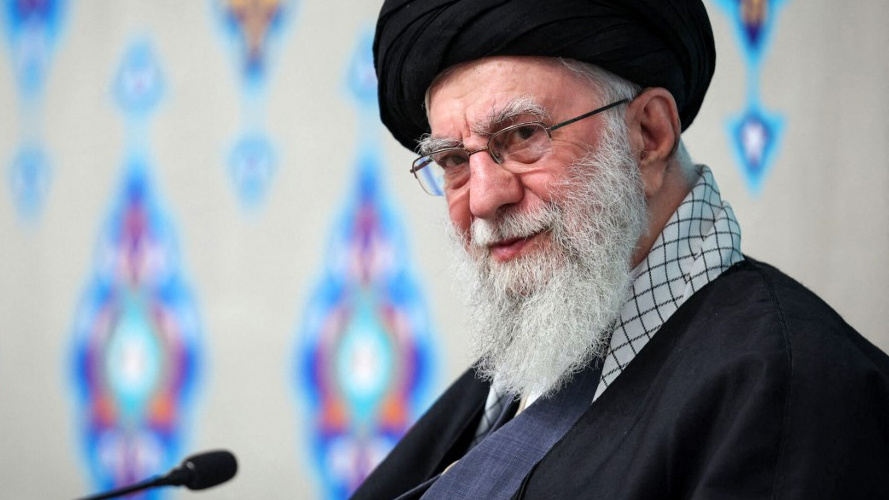
Are the US and Iran on a collision course for war or a surprise deal? The US’s recent military buildup near Iran signals the most significant regional deployment since the 2003 Iraq invasion. With the USS Gerald R Ford, the world’s largest supercarrier, now operating in the Mediterranean Sea and preparing to join the fleet, the strategic shift is clear. Yet, the most striking development involves six E-3 Sentry aircraft, representing almost 40% of the US inventory, stationed to monitor the area. These airborne surveillance systems serve as “eyes in the sky,” offering over-the-horizon radar critical for managing air defenses against potential Iranian retaliation. Their deployment hints at Washington’s readiness for a larger operation, even as tensions escalate. Analysts suggest such a move could signal a campaign aimed at reshaping the regional balance of power. Trump’s Strategy and the Cost of Conflict Despite his reputation for opposing interventionism, Trump has consistently shown a willingness to escalate tensions. His May 2025 speech in Riyadh underscored this approach, aligning with a broader policy of confrontation. Economically, a full-scale war risks derailing his domestic agenda, as oil prices could soar to $90–$200 per barrel, amplifying financial strain. Trump’s pressure on Israeli Prime Minister Benjamin Netanyahu to conclude the Gaza conflict further implies a desire for de-escalation. This strategy contrasts with the risk of igniting an unpredictable new front, suggesting a calculated effort to avoid prolonged hostilities. Domestic Setbacks and the Pressure to Act Recent domestic challenges have intensified the push for decisive action. A Supreme Court ruling, 6-3, declared Trump’s use of emergency laws to impose global tariffs as unconstitutional, dealing a blow to his economic vision. Seeking to mitigate this setback, Trump may lean on a high-profile military intervention as a political countermeasure. Former Commerce Secretary Wilbur Ross highlighted this motive, stating that the ruling could make a US attack on Iran more probable. The logic is simple: after a public defeat, Trump cannot afford to appear hesitant in the face of Iranian defiance. The Iranian Leadership’s Dilemma Iran’s leadership, led by Ayatollah Ali Khamenei, faces mounting pressure from within. The nation’s unrest, fueled by January’s mass protests, has left the regime struggling to maintain control. Human rights groups report thousands of arrests, with economic hardship intensifying due to sanctions and internal mismanagement. Food inflation has surged to triple-digit levels, with the free-market exchange rate reflecting this crisis. The currency’s sharp decline sparked the January uprising, and war now poses a potential final trigger for domestic instability. Khamenei’s defiance, however, remains unshaken, as the leadership seeks to consolidate power amid growing dissent. Meanwhile, Trump’s envoy Steve Witkoff hinted at a dual strategy. He noted the president’s interest in understanding Iran’s position, despite prior warnings of a limited strike if a nuclear deal fails. “He’s curious as to why they haven’t … I don’t want to use the word ‘capitulated’,” Witkoff said, emphasizing the tension between diplomacy and force. “Otherwise, bad things happen,” Trump added, framing the situation as a race against time.

Pep Guardiola reacts as Leeds United fans boo Ramadan break
Pep Guardiola reacts as Leeds United fans boo Ramadan break During a Premier League clash between Leeds United and Manchester City on Saturday night, some fans at Elland Road expressed disapproval of a brief pause in play to accommodate the Ramadan fast. The stoppage, initiated by referee Peter Bankes at the 12th minute, allowed three players—Rayan Cherki, Rayan Ait-Nouri, and Omar Marmoush—to consume food and water after sunset. While the break was intended to support Muslim players observing the fast, it drew criticism from a section of the crowd. A message highlighting the religious practice was displayed on stadium screens, yet the reaction from fans included boos and chants deemed offensive. Guardiola defends the practice “It’s the modern world, right? Look what’s happening in the world right now today again, right?” said Guardiola, addressing the fan backlash. “It’s a rule, we didn’t say it, the Premier League said it’s okay for the fasting you can have one or two minutes, so the players do it. It is what it is, unfortunately.” Leeds assistant manager Edmund Riemer acknowledged the criticism, stating: “I’m focused on the game so I don’t really hear it but disappointed with some supporters that that happened.” Kick It Out calls for better understanding Kick It Out released a statement condemning the incident, noting: “It’s massively disappointing that some Leeds United fans booed when Manchester City’s players broke their fast during the first half of the match at Elland Road this evening. This was compounded by the fact that an explanation was displayed on a big screen inside the stadium.” The organization emphasized that pausing the game for Muslim players to break their fast has been a standard protocol for years, aiming to make football more inclusive. However, they pointed out that the event highlighted the need for greater education and acceptance within the sport. ArrowMORE: Paul Merson says £67.5m Arsenal star will be the ‘X-factor’ in title race with Man City ArrowMORE: Newcastle star labelled ‘worst-ever Premier League signing’ after Alan Shearer claim This site is protected by reCAPTCHA and the Google Privacy Policy and Terms of Service apply. Your information will be used in line with our Privacy Policy

The 1,700-year-old megastructure history almost forgot
The Lost Monument That Time Almost Forgot For centuries, the colossal fourth-century Sri Lankan structure known as Jetavanaramaya stood as one of the planet’s most monumental edifices. Built from bricks, it was a testament to ancient engineering, rising from religious conflict and enduring earthquakes, abandonment, and civil strife. Yet, despite its vast scale—measuring larger in volume than any other brick-built structure—its name remains obscure beyond the island’s borders. A journey into its forgotten past reveals how this massive monument slipped from collective memory before being rediscovered. A Roman City Larger Than a Theme Park In Turkey, another ancient marvel continues to draw crowds. Ephesus, a UNESCO World Heritage site, is celebrated as one of the best-preserved Roman port cities. Spanning 1,600 acres, it’s ten times the size of Disneyland, housing historical wonders that echo the grandeur of empires long past. Once a thriving metropolis frequented by figures like Alexander the Great and Cleopatra, it still attracts 2.5 million visitors yearly. Explore its secrets here. A Cathedral in the Making Spain’s Sagrada Familia, a masterpiece by Antoni Gaudi, is nearing its final phase of construction after 144 years. Work began in 1882, and Pope Leo has been invited to unveil the central tower next summer. This unfinished church, a European icon, represents a blend of ambition and artistic vision. Watch its evolution in real time. The Unseen Choices That Define a Life Janis and Blaine Carmena, a Canadian couple, ventured beyond their comfort zone when they purchased a luxury yacht. What they thought was a pristine vessel turned out to be a mold-infested relic. But the duo felt an instant connection, believing they were “the right people” to restore it. After six years, the yacht has become their sanctuary on the water. Amelia Butler, an American woman, made a bold decision without a single glance at the property. A one-bedroom apartment in Italy’s Basilicata region caught her eye online, and the valley view from the window sealed the deal. She bought it sight unseen, only to discover its true nature later. The story of her unexpected home unfolds here. A Bike Ride Across Continents Englishman Jamie Hargreaves embarked on a quest to retrace his father’s 1980s global cycling adventure. He pedaled the same brand of bike, revisited locations, and even recreated photos frame by frame. “My dad has been my inspiration all my life,” he shared with CNN. “The only thing separating us was time.” His journey bridges generations and distances. The Serendipity of Cross-Atlantic Love A single text message in Alabama set off a chain of events that changed lives forever. A woman received a message saying, “Come outside, we’re surrounded by hot British men.” This chance encounter sparked three transatlantic love stories, culminating in three weddings. The tale of how love bloomed from an unexpected moment is recounted here. From Ski Slopes to Emergency Response Japan is witnessing a surge in accidents involving foreign tourists on ski and snowboard slopes. Rescuers are overwhelmed, struggling to keep up with the demand as incidents increase. CNN’s Hanako Montgomery highlights the challenges faced by emergency teams this season. Meanwhile, a viral photo of a cliffside moment led to the closure of an Australian beauty spot, while a dream of Italian citizenship nearly dissolved in a single day. Blending into British pubs can be tricky for newcomers, but there are strategies to navigate the social scene. Whether it’s a presidential address, a somber anniversary, or a cartel’s influence, the week of events offers a mix of history, culture, and unexpected twists. A K-pop star, a cliff edge, and 2,000 daily visitors—what memories linger from the week that was?

Digital forensics could be the tool that helps ‘paint a picture of truth’ in the Guthrie case
Digital forensics could be the tool that helps ‘paint a picture of truth’ in the Guthrie case As the search for Nancy Guthrie continues without a publicly named suspect, investigators are facing hurdles with DNA evidence. However, experts suggest that digital forensics might offer crucial insights into the mystery. Authorities have not yet disclosed much about the digital clues in the case, yet Heather Barnhart, a digital forensics specialist at SANS Institute and Cellebrite, asserts that the culprit likely left a digital footprint. “People forget how much their data spreads across devices. So the same thing that complicates investigations also makes it difficult for criminals to erase their tracks,” Barnhart explained. With nearly five weeks having passed since Guthrie, the mother of TODAY co-anchor Savannah Guthrie, was reported missing on February 1, digital forensics has already revealed images of a masked man captured by her doorbell camera in the hours before her disappearance. Despite these findings, no suspect or person of interest has been publicly identified. Concerns for Guthrie have grown, prompting her family to offer a $1 million reward for her safe return. Investigators are also grappling with DNA evidence from gloves found two miles away from her home, which yielded no matches in the FBI’s CODIS database. Additional DNA samples collected from Guthrie’s residence are under scrutiny, though the lab handling them has noted challenges with the sample quality. “Your phone is a silent witness to your life. It knows everything you do,” Barnhart said. “Forming those patterns and then searching for anomalies in someone’s digital footprint is key here.” Pima County Sheriff Chris Nanos expressed optimism about using investigative genetic genealogy, a technique merging DNA analysis with genealogical research. He emphasized his team’s determination to follow every lead. “We’re not going to give up. We’re going to find Nancy, and we’re going to find out who did this,” he stated earlier this month. Chris Burbank, a former Salt Lake City police chief, highlighted that physical evidence alone may not solve the case. “Let’s start combing through every other bit of information that exists,” he urged. He proposed leveraging artificial intelligence to analyze social media activity, as individuals often leave digital traces in online interactions. “Digital evidence could arise with a suspect’s name or through technology like license plate readers,” Barnhart noted. “It will also paint a picture of truth.” According to Barnhart, digital forensics examines data from devices and online platforms, including cloud services. In the 2022 University of Idaho murders case, she played a pivotal role. Initially, the lack of evidence alarmed everyone, but analyzing phone and laptop logs helped uncover a timeline linking Bryan Kohberger to the crime. “He created a perfect timeline by manually powering down a device at 100% battery,” she recalled, explaining how the logs became essential to the case. Barnhart emphasized that phones can reveal daily routines, but these patterns may shift before a crime. “Typically, you don’t act the same way every day,” she said, underscoring the importance of detecting deviations in digital behavior. The integration of tools like cell tower data and Wi-Fi logs further illustrates how digital forensics can illuminate hidden details in complex cases.
Slow genocide: Death and displacement continue in Gaza months into ceasefire
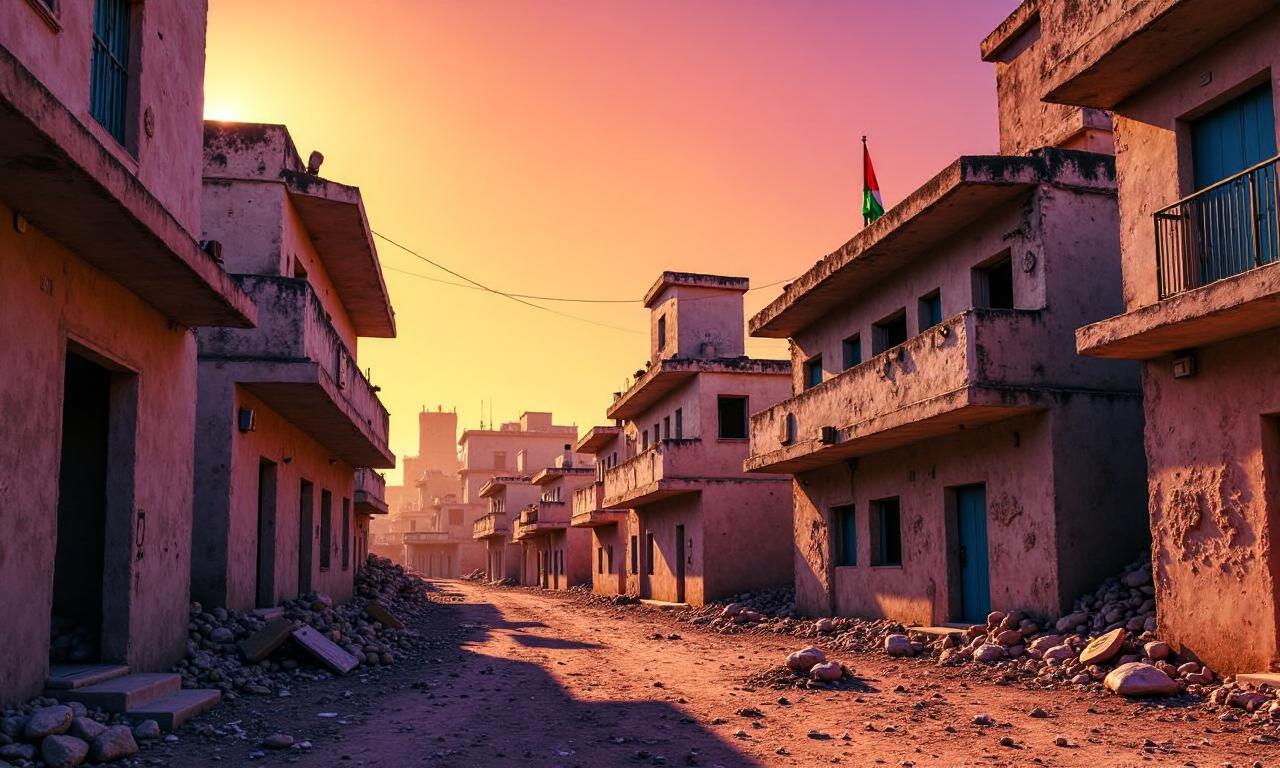
Slow genocide: Death and displacement continue in Gaza months into ceasefire Despite the pause in hostilities, the health crisis in Gaza persists, leaving many without access to vital care. Najat Sayed al-Hessi, a 61-year-old resident, has waited nearly two and a half years for her cancer treatments, receiving none during that time. “Nothing has changed for cancer patients in Gaza since the ceasefire,” al-Hessi shared with Middle East Eye, as the disease progresses unchecked in her body. Her journey to seek care began on 7 October 2023, the war’s start, when she planned to travel to Ramallah for her medication. However, the conflict delayed her treatment, and since then, medical referrals to facilities outside Gaza have ceased entirely. Hospitals within the war-torn region now struggle to provide basic care, including chemotherapy and diagnostic tools. Al-Hessi’s condition exemplifies the broader struggle, as nearly two million Gazans endure severe hardship three months after the ceasefire. Two years of Israeli bombardments have devastated the enclave’s infrastructure, including its healthcare system. While residents expected respite from the October ceasefire, ongoing restrictions on movement and supplies have kept the suffering alive, albeit at a slower pace. “We are still living under the same threats and circumstances, only with less noise,” al-Hessi remarked, highlighting the unrelenting pressure on civilians. Her local clinic recently denied her pain relief, offering no vitamins or medications for her osteoporosis and slipped disc. Critical shortages cripple Gaza’s medical system The Palestinian health ministry reported that 56% of essential drugs, 68% of medical consumables, and 67% of lab supplies are unavailable. Without proper screening, patients cannot track the disease’s spread, leaving them in uncertainty. Dr. Muhammad Abunada, medical director at Gaza’s Cancer Centre, noted that only 30% of needed medications are accessible. “Even when available, they are often ineffective, as patients require multiple drugs for treatment,” he explained. Before the war, one cancer patient died daily in Gaza. Now, two or three perish each day, with many unable to leave for care abroad. The death rate has surged, underscoring the crisis faced by thousands. UNICEF data reveals the mortality rate among newborns has risen by 75% in the war’s final three months. Between July and September, 47 infants died monthly, double the 2022 average. These grim figures persist as Israeli artillery and gunfire continue to claim lives daily. Forced displacement remains a constant threat, with dozens of families losing homes to military incursions and land annexation. The ceasefire has not ended the slow, systematic toll on Gaza’s population, as al-Hessi’s story illustrates.