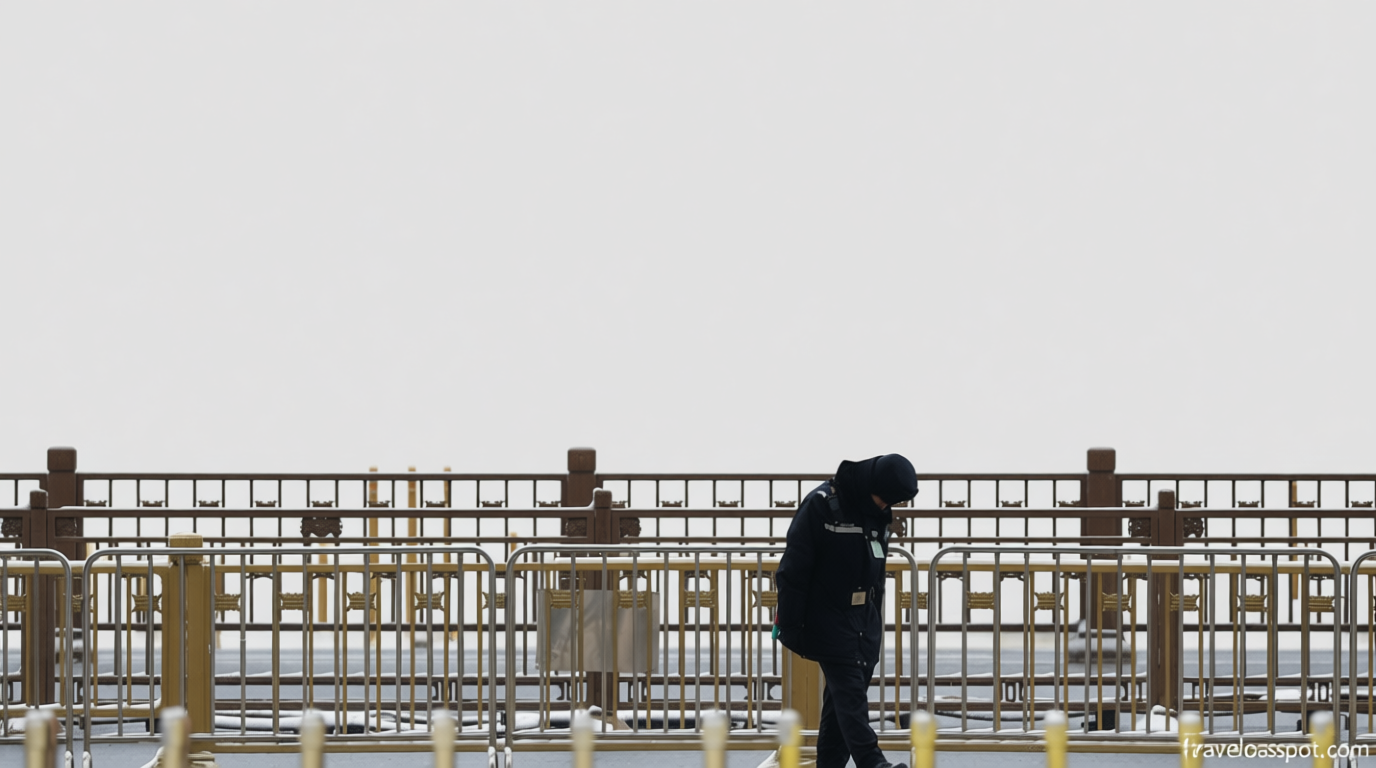
As Trump unleashes chaos, China has a message it wants to the world to hear This morning, Beijing’s Tiananmen Square was blanketed in snow, creating a stark contrast to the usual bustle. Typically a site where journalists face restrictions, its history imbues it with a sense of political gravity. However, today’s event marked an exception as the square was open to visitors, with full filming permissions offered—a sign of an extraordinary gathering. The annual Lianghui, or Two Sessions The annual Lianghui, or Two Sessions, is China’s counterpart to the parliamentary opening. It serves as a stage for showcasing the nation’s political direction, revealing glimpses of the leadership’s priorities and aspirations. Nearly 3000 delegates from across the country converged in the Great Hall of the People, representing China’s legislative body. Many wore traditional attire from various ethnic minorities, symbolizing the government’s emphasis on cultural diversity. “I’ve seen nothing to suggest my husband was involved,” said a Labour MP following the arrests of three men suspected of spying for China. The husband, a former Royal Marine and UK Border Force officer, was accused of participating in covert operations to gather intelligence for Beijing, according to court proceedings. This year’s session brought renewed focus on the latest Five Year Plan, a strategic roadmap outlining China’s objectives through 2030. While the document may sound ambitious, past iterations have proven pivotal in shaping the nation’s trajectory, such as the 1980s plan that catalyzed its economic transformation. China’s projected growth rate of 4.5 to 5% this year marks the lowest target set in over three decades, reflecting the country’s current economic challenges. Yet, the plan offers more insight into its future goals, particularly in advancing technological dominance and economic resilience. Although Xi Jinping did not address the assembly directly today, his influence is evident in every detail of the proceedings. His current position, bolstered by recent successes in countering Trump’s trade policies and consolidating authority within the military, positions him as the architect of a China that projects stability and strength. The meticulous staging and synchronized movements within the Great Hall underscore China’s message to the world: a model of unity and control. A global contrast While Lianghui primarily addresses domestic affairs, it unfolds against a backdrop of global tensions. The Middle East’s current situation serves as an unavoidable contrast, highlighting China’s ability to maintain order in its own political arena while the U.S. grapples with disorder under Trump’s leadership. This deliberate contrast between their polished display and the chaos associated with Trump’s presidency reinforces their narrative of being a reliable superpower. Be the first to get Breaking News by installing the Sky News app for free. Stay informed about developments across the UK and globe with continuous updates from our team.
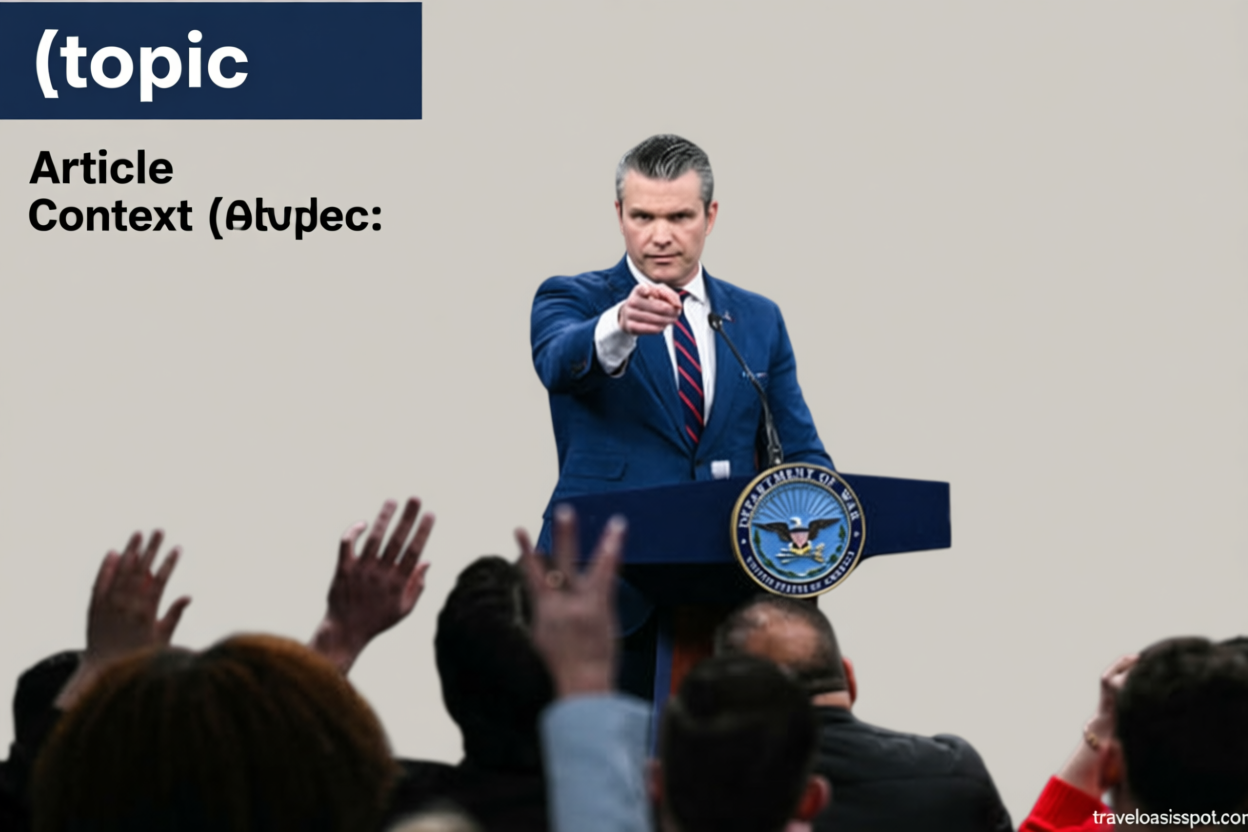
Federal judge to hear arguments about Pentagon’s restrictions on press access
Federal judge to hear arguments about Pentagon’s restrictions on press access WASHINGTON — A federal judge in the nation’s capital will convene on Friday to address the legality of new Department of Defense regulations requiring credentialed journalists to report only on information officially cleared by the government, or face revocation of their Pentagon press badges. The New York Times’ legal team contends the policy, implemented in mid-2025, aims to limit journalists’ ability to question government officials and uncover stories that go beyond official statements. The 21-page agreement, which media outlets were asked to sign, bars the collection or dissemination of unapproved information, including classified data and off-the-record discussions, whether within or outside the Pentagon’s premises. “The Policy was not promulgated in a vacuum,” said Theodore J. Boutrous Jr., representing The New York Times. “Pentagon leadership has faced a stream of what it perceives to be unfair and unfavorable press coverage and, in response, promulgated the Policy to jettison journalists and news organizations whose reporting the Department disfavors, and to chill future reporting critical of the Pentagon.” Major broadcasters such as NBC News refused to sign the agreement, resulting in the loss of routine Pentagon access. The Department of Justice, in defense of the policy, argues it is “reasonable” as it balances national security concerns with the privilege of press access. “The Department could have decided not to allow any press access to the Pentagon: access to the Pentagon is a privilege, not a right,” stated Michael Bruns, a DOJ attorney. Meanwhile, journalists whose credentials were revoked were granted temporary entry to the Pentagon this week for briefings on the Iran conflict led by Defense Secretary Pete Hegseth and Joint Chiefs Chairman Dan Caine. In a sworn declaration, former Assistant Secretary of Defense for Public Affairs Pete Williams, now an NBC News correspondent, criticized the policy as undermining public trust in the military. “When I was at the Department, we did not decide who was eligible to obtain or maintain a press credential based on whether we thought a particular reporter or news organization would report favorably about the Department or its leadership,” Williams wrote. “There were times when journalists published critical stories or reported information that Department officials believed had come out too soon or wished had not been made public. But Department leadership understood and respected the role of an independent press in our democracy, and cutting off access to the Pentagon for journalists could never stop reporting that was critical of the Department.” Williams emphasized the importance of in-person access to quality journalism: “Trying to cover the Justice Department or the Pentagon without regularly being present in the building is like trying to write a restaurant review without going to the restaurant and trying the food.” The case echoes last year’s AP lawsuit against the Trump administration’s ban on White House event access, which was upheld by a federal appeals court pending further review. Gary Grumbach, an NBC News legal affairs reporter based in Washington, D.C., contributed to the coverage of this development.

Frozen in time: The once-glamorous Iranian embassy in the US sits empty
Frozen in Time: The Iranian Embassy in the US Remains Vacant Forty years after the 1979 Iranian Revolution, the once-luxurious Iranian Embassy in Washington, DC, still stands dormant. Its halls, once filled with celebrity guests, bubbly drinks, and delicacies, now echo with silence. The embassy became a symbol of strained relations following the 444-day hostage crisis, during which Iranian militias seized the US embassy in Tehran. This event severed diplomatic ties between the two nations, a rift that has persisted through decades of geopolitical shifts. Escalation and Immediate Repercussions The recent US-Israeli strikes on Iran have triggered a cascade of consequences. Airspace across the Middle East was effectively shut down for several days after the attacks, with the Emirates flight marking the first disruption in a series. BBC correspondent Sarah Smith was present at a White House gathering where President Trump delivered remarks, largely adhering to a prepared script. His comments, the first public statements since the operation began, underscored a renewed focus on Iran. “Major combat operations have commenced,” declared Trump during his address, signaling a shift in the conflict’s trajectory. Diplomatic and Military Dynamics Iran’s retaliation included strikes on Israeli targets, as captured by BBC presenter Clive Myrie in Tel Aviv’s bomb shelter. Meanwhile, the US claimed six of its F-15 jets were “mistakenly shot down by Kuwaiti air defenses,” with all crew members reported in stable condition. Trump warned of further casualties, citing the deaths of three US service members in the initial phase of the assault. “The Iranian regime is waging an unending campaign of bloodshed and mass murder targeting the United States,” the president asserted, framing the conflict as a necessary response. Iranian state media confirmed the death of Supreme Leader Ali Khamenei, a development that has sparked mixed reactions. Protests erupted in American cities on Saturday, with more demonstrations planned for the coming days. The BBC’s Helena Humphrey, based in Washington DC, analyzed the broader implications of the strikes, while Jerusalem-based Jon Donnison reported on Trump’s narrative of the operation’s escalation. Path to Reopening Embassies Despite the renewed tensions, the possibility of restoring diplomatic ties remains a topic of discussion. Helena Humphrey highlighted the conditions required to revive the embassies, emphasizing the need for a significant thaw in relations. As the conflict unfolds, the focus remains on both immediate consequences and long-term geopolitical outcomes.
US, Venezuela to restore diplomatic ties
US, Venezuela to restore diplomatic ties The U.S. and Venezuela’s interim administration have reached an agreement to reestablish diplomatic and consular connections, according to the State Department. This development signals a warming of relations following the arrest of former President Nicolas Maduro and his detention in New York. The announcement came after years of strained ties, particularly under the Trump administration, which had taken action to apprehend Maduro in January 2026 for potential criminal charges. During Trump’s initial presidency, the U.S. ceased to recognize Maduro’s government as legitimate, leading to the withdrawal of diplomats and the suspension of embassy operations in Caracas. Now, with the easing of tensions, the State Department emphasized its goal of fostering “the conditions for a peaceful transition to a democratically governed state.” This shift highlights a renewed commitment to cooperation between the two nations. Venezuela’s commitments to foreign investment As part of the reconciliation efforts, Venezuela pledged to create a secure environment for international mining firms. A U.S. official confirmed these assurances during a press briefing, stating that the country’s leadership had promised to “ensure” the safety of foreign companies. “I think you’re going to see this government very concerned about providing the right kind of security,” said Interior Secretary Doug Burgum, who concluded a two-day visit to the region. “I think you’re going to see this government very concerned about providing the right kind of security,” said Interior Secretary Doug Burgum. Burgum, accompanied by representatives from several mining and minerals firms, noted that numerous companies had expressed interest in investing in Venezuela. The nation boasts vast oil reserves alongside significant deposits of minerals such as gold, diamonds, bauxite, coltan, and other rare elements essential for manufacturing electronics. However, foreign investment has remained limited over the past decade due to nationalization policies initiated under Hugo Chávez, Venezuela’s leader from 1999 to 2013. Mining operations are heavily concentrated in the Orinoco Mining Arc, an area where armed groups have been active. Despite these challenges, the recent diplomatic move suggests Venezuela is aiming to attract renewed economic partnerships, particularly in the energy and mineral sectors. The video referenced in the original article can be viewed by enabling JavaScript and using a modern web browser that supports HTML5 video.

Why England soccer star Chloe Kelly gets her own Barbie doll
Why England Soccer Star Chloe Kelly Gets Her Own Barbie Doll Chloe Kelly, a standout figure in English football, has become the latest addition to the Barbie lineup. The 28-year-old forward for Arsenal and a key member of the England Lionesses, she has etched her name into history with pivotal moments in 2022 and 2025. Her iconic goal in the UEFA European Women’s Championship final and the decisive penalty in the Euro 2025 final have cemented her status as a trailblazer in the sport. A Toy in Her Image As part of Mattel’s ongoing efforts to reflect diverse roles in society, Kelly has been honored with a Barbie doll. The miniature version replicates her 2025 England Lionesses kit, featuring a bold red and blue ombre design and blue shorts with red-and-white side stripes. The doll also sports knee-high socks and soccer shoes, capturing her on-field flair. “I’m very proud to have my very own Barbie doll,” Kelly shared while filming her campaign in a London warehouse. “To see a footballer with a Barbie doll shows that our sport is here to stay. We’ve inspired so many on the pitch, but off the pitch this is huge.” From the Pitch to the Playroom Meanwhile, the real Kelly was spotted in a denim blouse and tailored trousers by British-Nigerian designer Tolu Coker, embodying her signature blend of high-fashion elegance and casual charm. Her style, which oscillates between glamorous and laid-back, mirrors her dual presence in sports and pop culture. “I was drawn to the shape and structure of the outfit and going with something that I’m comfortable with – quite casual but also cool,” she explained, highlighting her approach to personal expression. A Legacy Beyond the Game Barbie’s role model initiative, now in its tenth year, celebrates women who have “brought their dreams to life” and “broken boundaries.” This shift aligns with Mattel’s broader goal to expand its representation of beauty beyond traditional norms, embracing varied body types, skin tones, and physical abilities. Yet, Kelly’s story underscores how real-life achievements can resonate more deeply than any curated narrative. Her rise as a soccer star coincides with a pivotal moment in women’s football history. In the UK, a 50-year ban from 1921 to 1971 once limited women’s access to the sport, restricting them to public parks and smaller venues. Kelly, however, has become a symbol of progress, representing a generation that has transcended those barriers. As a player and advocate, Kelly has not only excelled on the field but also championed grassroots soccer for girls. Her journey from a professional debut at 17 to leading England to Euro 2025 victory exemplifies her impact beyond sport. The collaboration between Kelly and Barbie marks a cultural milestone, bridging two worlds to inspire young girls.

Open University reverses UKLFI-influenced ‘ancient Palestine’ ban
Open University Lifts ‘Ancient Palestine’ Ban After UKLFI Pressure The Open University (OU) has seemingly rescinded a pledge it once made to the pro-Israel lobby group UK Lawyers for Israel (UKLFI) regarding the use of the term “ancient Palestine,” as highlighted by Novara Media. This decision follows a complaint from UKLFI, which had previously pushed for the exclusion of the term to avoid creating a “hostile or offensive learning environment for Jewish and Israeli students.” In November 2025, UKLFI sent a letter to the OU, asserting that the term “ancient Palestine” was not historically accurate for the region until over a century after the Virgin Mary’s lifetime. The group argued that the name “Syria Palaestina” was introduced by Roman Emperor Hadrian, and claimed the OU’s use of “ancient Palestine” in a humanities module violated the Equality Act. The module described the Virgin Mary’s birthplace as “ancient Palestine” and included a map with the same label. Adrienne Scullion, the OU’s head of the faculty of arts and social sciences, responded on 18 December, acknowledging that the term had become “problematic” in recent times. She stated, “We will not use the term again in future learning materials, and we will explain and contextualise its use in existing materials for current learners.” Meanwhile, the Index of Repression, produced by the European Legal Support Centre and Forensic Architecture, classified UKLFI as a key actor in campaigns against Palestinian solidarity. Following UKLFI’s publicisation of the OU’s reversal, over 600 academics and public figures signed an open letter earlier this year, urging an “urgent public retraction” of the OU’s commitments to UKLFI. “These commitments risk undermining the OU’s statutory duties under the Higher Education (Freedom of Speech) Act 2023. They also expose staff to harassment and enable the spread of disinformation,” the letter claimed. The signatories included prominent historians such as Ilan Pappe and Avi Shlaim, alongside Palestinian scholars Rashid Khalidi and Nur Masalha. The letter was supported by the OU’s University and College Union branch. However, the university’s reversal has sparked debate, with an unnamed staff member noting a “clear contradiction” between the current statement and prior promises to UKLFI. The OU’s statement, according to the staff member, “does not constitute a reasonable interpretation of the letter from 18 December.” This comes after a similar controversy involving the British Museum, which removed the term Palestine from exhibits on ancient Egypt and the Phoenicians. UKLFI had attributed this change to a complaint they had submitted, though the museum denied any direct link. Novara Media reported that an OU spokesperson clarified academics can “freely use the term ‘ancient Palestine’ where scholarly appropriate” without a mandatory contextual note. The spokesperson added the original commitment applied to a single unit of work, now “scheduled for replacement.” Nonetheless, critics argue the statement undermines the university’s earlier concessions to UKLFI. Other institutions have also faced pressure from UKLFI. Recently, it was revealed that Encyclopaedia Britannica had revised several entries in its Britannica Kids section, removing the term from regional maps after UKLFI’s influence. This trend continues to raise concerns about the impact of the group’s advocacy on academic discourse.
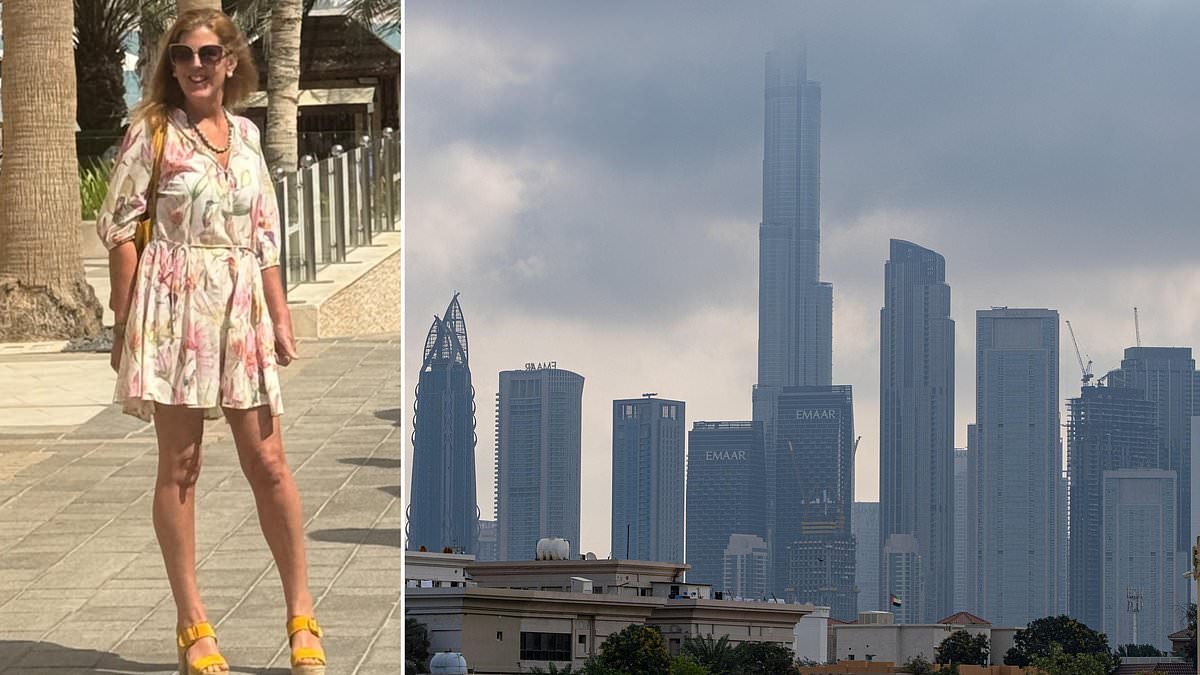
SHONA SIBARY: I was at bottomless brunch when a jet roared overhead. It was the start of a week of fear – of Iran’s missiles, for my daughters and dogs at home, and piling on weight without my fat jabs… I was under siege in Dubai (without my Mounjaro!)
SHONA SIBARY: My brunch in the UAE turned into a week of dread as Iran’s missiles loomed Three times annually, I travel to my husband’s residence in the UAE, an hour north of Dubai, to reunite with Keith, 58, whose career as an energy consultant demands lengthy absences. Over nine years, this 4,000-mile separation has become a ritual of escape—providing respite from the chaos of raising four children in Sussex. Yet this particular trip has unfolded like a nightmare. Just days into the conflict, I found myself stranded in a war zone, unable to return home. This is my account of five harrowing days, when a routine weekend of cocktails and sunbathing transformed into enforced confinement. The turmoil began with a jet streaking overhead, triggering a cascade of anxiety for my family back in the UK and my own struggle to maintain a tan amid the danger. A brunch with a twist Near Keith’s apartment in Ras Al-Khaimah—a small emirate north of Dubai—lies a Hilton hotel renowned for its weekend brunches. For £50 per person, guests indulge in a lavish spread featuring oysters, lobster, beef tenderloin, and seabass. Alcohol is also served in abundance, from negronis to sparkling wine, creating an atmosphere of unbridled festivity. “Under no circumstances is anybody to call me unless there is an absolute emergency,” I furiously typed into the family WhatsApp group, while simultaneously dousing oysters in Tabasco. “I don’t want anything to ruin my brunch.” Yet this year, the joy of the meal was overshadowed by the roar of a jet overhead. The sound was so intense that all on the terrace—gazing at the Persian Gulf—jolted upward. “What the hell was that?” a stranger at the adjacent table shouted. Phones were fumbled, drinks set aside. “Trump has attacked Iran,” someone else guessed, leaving me stunned by the absurdity of it all. For years, my family has shared a superstition: whenever I arrive and begin sipping margaritas, calamity strikes back home. On one occasion, it was my eldest daughter Flo, then 19, who had a car accident. On another, one of our dogs vanished without a trace. This time, the fear was palpable as the war escalated. Yesterday, the Fairmont Hotel on Dubai’s Palm Island—famous for its infinity pool facing the marina—was struck by debris from an intercepted drone, igniting a fire. The surreal event left holidaymakers trembling, wondering if it was a prelude to a larger assault. Today, the panic reached a new peak when Dubai airport was hit by a missile, forcing the cancellation of all flights, including mine scheduled for tomorrow. Now, the beach is a place of uneasy calm. I oscillate between the urge to flee and the fear of what lies ahead. The war has turned my escape into a test of endurance, with every missile overhead a reminder that my daughters and dogs are still in the UK, vulnerable to the chaos I’ve now become a part of.
Sign up for The Long Wave newsletter: our weekly Black life and culture email
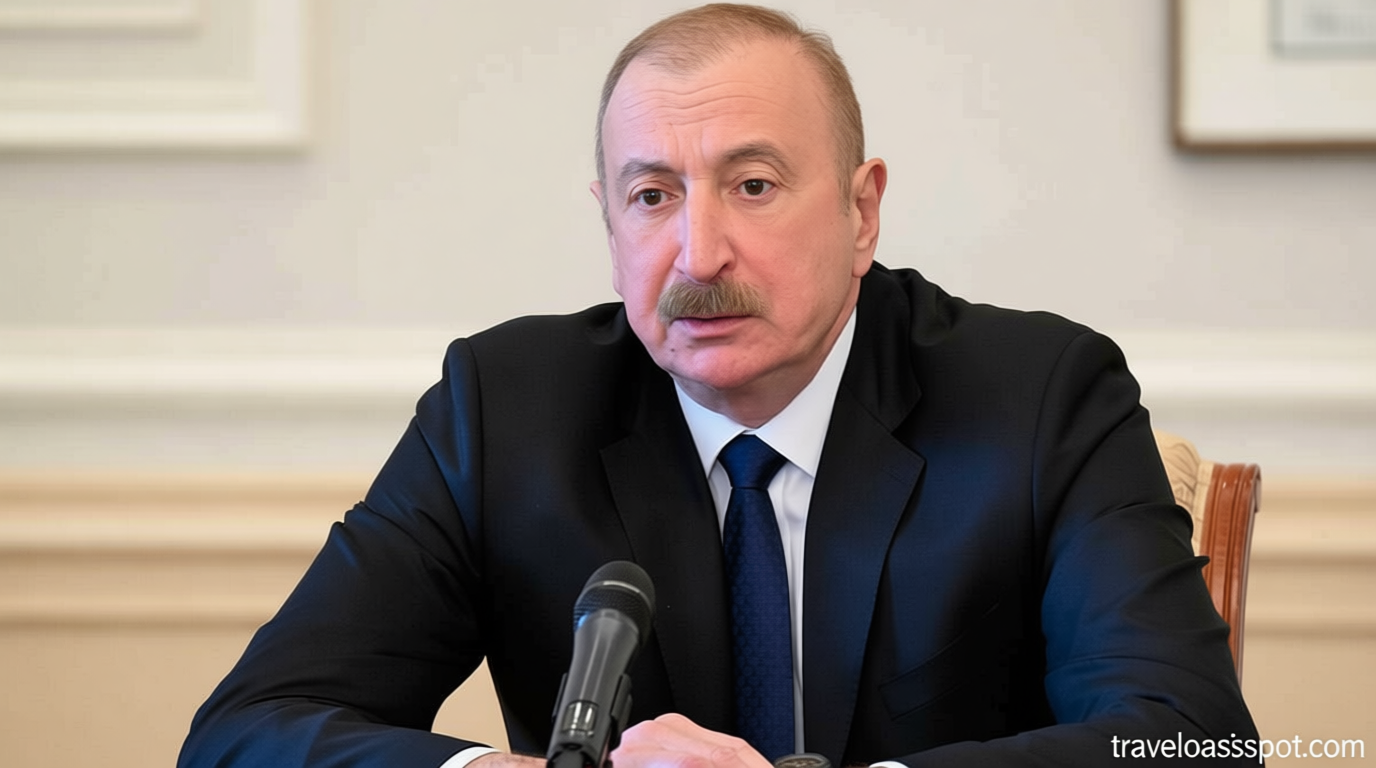
Aliyev vows attacks on Azerbaijan ‘will face our Iron Fist’ after Iran drone strike
Aliyev Threatens Iron-Fisted Retaliation Following Iran Drone Strike Azerbaijan’s President Ilham Aliyev has ordered the military to reach “maximum operational preparedness” in response to an Iranian drone attack that struck a passenger terminal at Nakhchivan International Airport and a rural school, leaving four civilians injured. The move came during a Thursday session of the Security Council, where Aliyev emphasized the need for Iran to take responsibility for the incident. The president called for “those responsible for this act of terrorism” to face legal consequences, asserting that the attack was not a one-off event. He hinted at a broader pattern of Iranian aggression, citing past incidents he claimed were orchestrated against Azerbaijani interests. This stance mirrors his handling of the Azerbaijan Airlines Flight 8243 crash in December 2024, where he openly blamed Russia for the downing of the plane. Escalating Tensions and Strategic Moves Hours after the Security Council meeting, Azerbaijan suspended border traffic with Iran, signaling a shift in diplomatic relations. Aliyev also reiterated that the nation would not engage in attacks against Iran, despite the recent incidents. His remarks highlighted the deepening rift between the two countries, particularly over the Azerbaijani diaspora in Iran and Azerbaijan’s alliance with Israel. “Thursday morning, the deputy foreign minister of Iran contacted Baku and requested Azerbaijan’s help in evacuating embassy staff stranded in Lebanon due to financial constraints. I promptly arranged for their assistance and dispatched an aircraft. They even offered to cover the costs,” Aliyev stated. “Yet, in return, they struck Nakhchivan with such treachery, leaving a stain that will never fade from their reputation.” Turkey, Azerbaijan’s key regional ally, swiftly denounced the drone strikes, with a government statement affirming its unwavering support for Baku. The incident has intensified scrutiny of Iran’s actions, as Azerbaijan prepares to respond with decisive force. The country’s military posture now reflects a readiness to counter perceived threats with a “firm hand,” as Aliyev described in his address.
Everything we know on day 6 of the Middle East war
Day 6 Developments in the Middle East Conflict As the Middle East conflict moves into its sixth day, tensions escalate with Iran launching a multifaceted assault on Israel. Israeli authorities have initiated large-scale evacuations in Lebanon, prompting widespread displacement. Meanwhile, NATO nations are stepping up their efforts to strengthen defensive capabilities against potential missile threats. Key Events and Strategic Moves The term “hybrid attack” has been used to describe Iran’s coordinated strikes, combining conventional and unconventional tactics. This approach has intensified the conflict’s complexity, drawing international attention. In response, Israel has mobilized resources to secure its borders and ensure civilian safety. Amid the rising hostilities, NATO countries are collaborating to enhance their missile defense systems. This includes deploying advanced technology and increasing military readiness. Analysts suggest these measures aim to deter further aggression and protect critical infrastructure. Contributors to the Report CNN’s Leila Gharagozlou, Eugenia Yosef, Laura Sharman, Jack Guy, Lauren Kent, Todd Symons, Haley Britzky, John Towfighi, Sophie Tanno, Nechirvan Mando, Eyad Kourdi, Vasco Cotovio, Avery Schmitz, Zeena Saifi, Joseph Ataman, and Oren Liebermann provided insights for this update.