What is the ‘Deeply read’ list? For years, The Guardian has monitored how long readers engage with our journalism. While click counts provide insight into an article’s popularity, they don’t always reflect its depth or the time spent on it. To better measure quality, we developed a new approach that evaluates reader attention relative to content length. This method highlights stories that resonate more profoundly with audiences, even if they aren’t the most widely clicked. Traditionally, platforms like The Guardian have displayed top-performing articles through “Most viewed” lists. However, these often prioritize mainstream topics over niche or thought-provoking pieces. The “Deeply read” list aims to address this by showcasing content that readers linger on, regardless of its subject matter. It appears on regional home pages, tailored to reflect the interests of local communities. Our metric calculates attention time, comparing it to the article’s length. This allows for a broader range of stories—shorter or longer, varied in format—to be included. The result is a list that emphasizes both depth and diversity, offering readers a richer selection of journalism. We hope this shift brings greater variety and meaningful engagement to your experience. Key Features of the List Unlike conventional lists, “Deeply read” prioritizes reader retention over sheer volume. It considers how long an article holds a reader’s focus, adjusting for length to ensure fairness. This approach surfaces stories that may not dominate click metrics but are valued for their substance and impact. By focusing on attention time, we can identify journalism that truly captures readers’ interest and holds their attention, even on less mainstream topics. The list is designed to highlight the breadth of storytelling, from in-depth analyses to concise insights. It’s a tool to help readers discover content that aligns with their curiosity and depth of reading. We believe this evolution better serves the diverse needs of our audience.
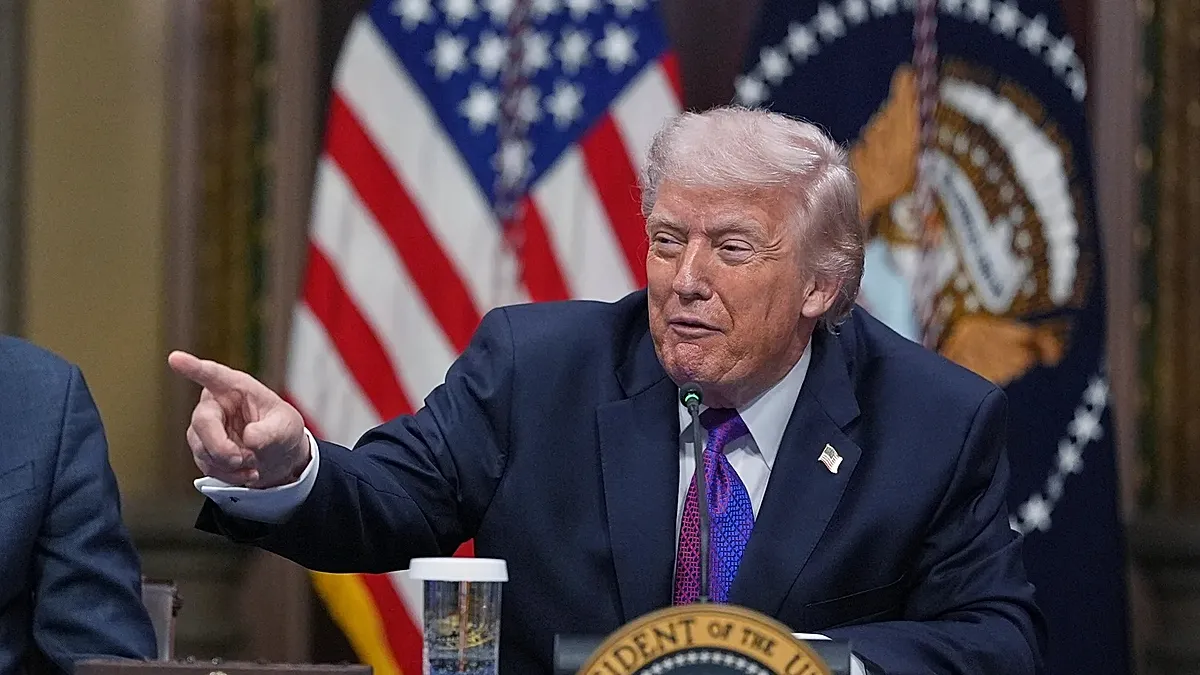
Europe’s far right is lost in Trump’s war against Iran
European Far Right Faces Division Amid Trump’s Iran War The conflict ignited by US and Israeli strikes targeting Iran’s leadership has thrown European far-right factions into disarray. As the war unfolds, nationalist parties across the continent are struggling to align their rhetoric with the realities of the situation, leading to fractured positions and uncertain stances. For many far-right groups, the challenge lies in reconciling their support for Donald Trump with the potential fallout of the war. While some enthusiastically back Trump’s pro-Israel policies and anti-Islamic views, they now face pressure to address the consequences of the strikes, such as rising energy costs and displacement of migrants. Hungary’s Fidesz Treads Carefully Prime Minister Viktor Orbán’s Fidesz party has been notably quiet on the Iran strikes. Orbán, who previously praised Trump as a “peacemaker” for his actions in Gaza, refrained from either condemning or endorsing the attacks. In a recent interview with Hungary’s ATV, he framed the strikes as the “final elimination and closure of a previous, unresolved focal point,” suggesting they are not a new war but a conclusion to an ongoing issue. “Bombing Iran is not a fresh war, but rather the final elimination and closure of a previous, unresolved focal point.” This approach reflects Orbán’s broader strategy to position himself as a mediator between East and West, while also criticizing the EU’s role in the Ukraine conflict. His silence has sparked debate within his party, with some members wary of aligning too closely with US and Israeli objectives. Italy and Germany Weigh Diplomacy Over War Italy’s League party, led by Matteo Salvini, has long championed Trump’s foreign policy. Yet, the Iran strikes have forced them to acknowledge the delicate balance between supporting Trump and addressing the war’s domestic implications. Paolo Borchia, the League’s delegation head in the European Parliament, told Euronews, “We always prefer the diplomatic way,” highlighting the tension in their stance. “We always prefer the diplomatic way.” Germany’s AfD party, meanwhile, has openly warned of the war’s risks. AfD leaders Alice Weidel and Tino Chrupalla stated that the “renewed destabilisation of the Middle East is not in Germany’s interest and must be brought to an end.” Their MEP, Tomasz Fröhlich, added, “A further collapse of Iran would be catastrophic, unleashing massive migration waves, severe energy price shocks, and a cascade of other collateral damage that would inevitably burden our own population.” “A further collapse of Iran would be catastrophic, unleashing massive migration waves, severe energy price shocks, and a cascade of other collateral damage that would inevitably burden our own population.” Fröhlich called for pragmatic measures, such as recommitting to coal and nuclear energy, and opposing the deployment of German troops in the region. This reflects a growing concern among some far-right groups about the economic and social ramifications of the war. Belgium and the Czech Republic Question US Influence Similarly, Belgium’s Flemish Interest party highlighted the energy and migration consequences of the conflict during a parliamentary debate. They drew parallels to the unintended effects of Western interventions in Libya and Syria, urging caution in backing US-led actions. Czechia’s ANO party also showed hesitation, balancing their admiration for Trump with fears that the war could exacerbate energy costs—a key issue in the country. France and Others Remain Critical The French National Rally (RN) has been more vocal in its skepticism. Having previously questioned US strikes on Venezuela, the RN now agrees with President Macron that the Iran attacks were conducted “outside the framework of international law.” Pierre-Romain Thionnet, an RN MEP, argued, “It should be up to the Iranian people to change the government, take power, and ensure a transition. A change imposed from the outside—especially through air bombings alone—has no historical example of success.” “It should be up to the Iranian people to change the government, take power, and ensure a transition. A change imposed from the outside—especially through air bombings alone—has no historical example of success.” Meanwhile, parties like Spain’s Vox, the Netherlands’ Freedom Party, and Nigel Farage’s Reform UK have embraced Trump more openly, tailoring their messages to domestic audiences. This divergence has made it increasingly difficult for far-right groups in the European Parliament to agree on a unified position, despite claims by Patriots for Europe (PfE) and Europe of Sovereign Nations (ESN) that they allow national delegations autonomy on the issue. Internal discussions reveal that the topic remains sensitive, with some factions still grappling with how to reconcile their support for Trump with the potential consequences of the war. The conflict over Iran could signal a pivotal shift in the relationship between Trump and European far-right movements, testing their ability to maintain cohesion in the face of ideological divides.
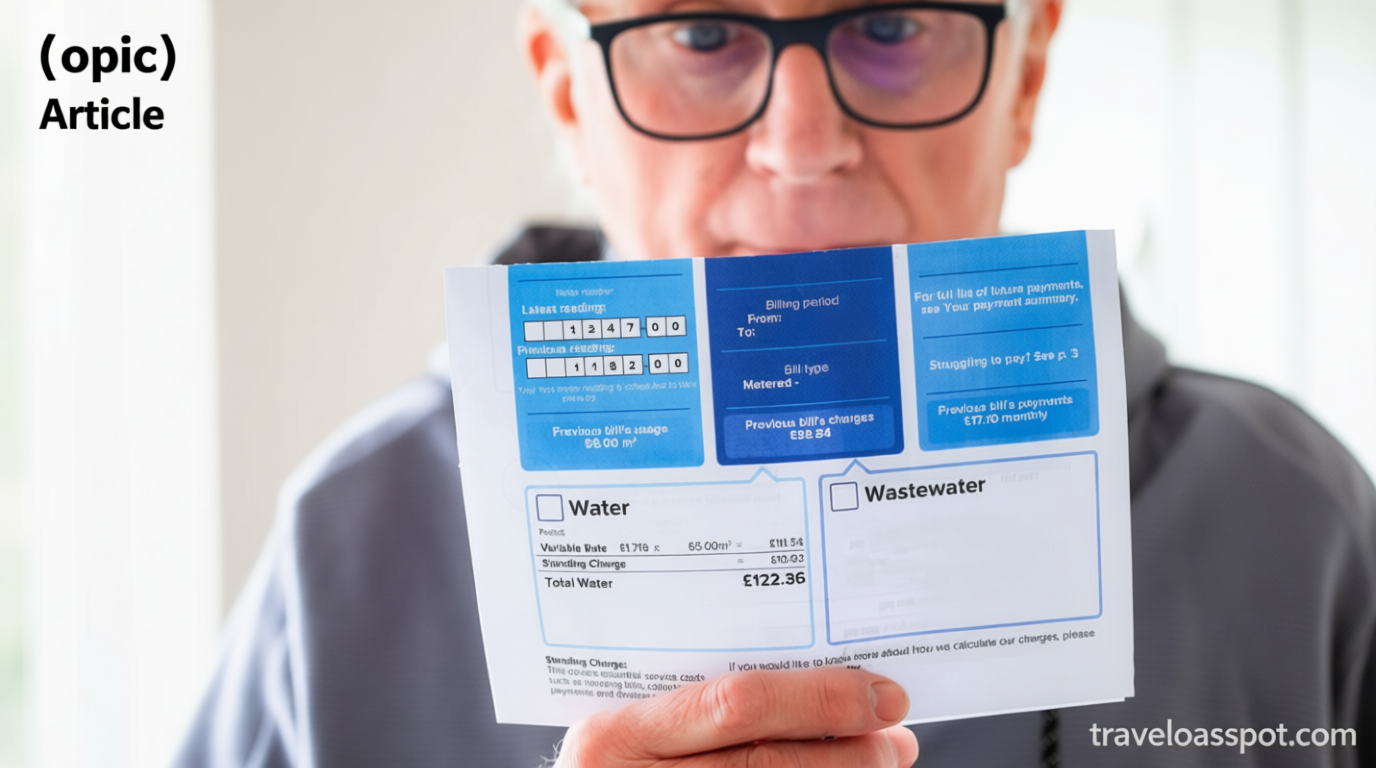
The water companies using bailiffs to collect customer debt more than 6,000 times a year
The water companies using bailiffs to collect customer debt more than 6,000 times a year Recent data has uncovered that certain water providers rely on bailiffs to recover outstanding customer payments over 6,000 times annually. This practice, previously undisclosed, highlights significant disparities in how different companies employ debt collection tactics. MP Committee Reveals Varied Bailiff Usage Among Water Providers The Environment, Food and Rural Affairs (Efra) Committee’s findings reveal that some companies are far more aggressive in using bailiffs than others. For instance, Wessex Water has avoided this method entirely for the past ten years, while Welsh Water reported fewer than 1,000 bailiff actions each year from 2019 to 2025. Southern Water, however, stood out with 15,707 bailiff instructions in 2019, followed by over 6,000 in 2020, more than 5,000 in 2023, and exceeding 8,000 in 2024. Last year, their count dropped to over 4,000. Yorkshire Water and United Utilities also frequently exceeded the 6,000 threshold, with United Utilities doing so every year since 2021. Industry-Wide Bailiff Activity Peaks Post-Pandemic Bailiff usage across the sector reached its highest levels in 2023 and 2024, coinciding with the aftermath of the COVID-19 pandemic. This surge has prompted questions about the causes, with Efra committee chairman Alistair Carmichael noting: “Why did bailiff use increase so rapidly after the pandemic? Did anyone look into it at the time?” Meanwhile, the Council for Water announced it would scrutinize the committee’s data. Andy White, the council’s social policy lead, emphasized: “The use of bailiffs should be an absolute last resort and only applied when a customer clearly fails to pay their bill persistently and deliberately.” He added that such measures should not target individuals in financially vulnerable situations. Companies’ Justifications for Bailiff Use “Enforcement action is a last resort,” said Yorkshire Water. “We only use it against customers who can afford to pay but choose not to.” “We take court action against customers we believe have the means to settle their debts,” stated a United Utilities spokesperson. “Southern Water strives to support struggling customers and uses bailiffs when necessary to maintain service quality,” the company explained. Northumbrian Water claimed it refrains from using bailiffs for those receiving means-tested benefits, but Southern Water acknowledged that such individuals may still face legal proceedings. The committee also noted that South West Water/Pennon and Yorkshire Water topped the bailiff usage list in 2025 after adjusting for population size. Most of the 11 English and Welsh water and wastewater firms operated within a range of 500 to 4,500 bailiff actions during the 2024-2025 period. The data underscores the growing pressure on households, with the Efra committee highlighting cost-of-living challenges as a key factor in the rise of enforcement actions.
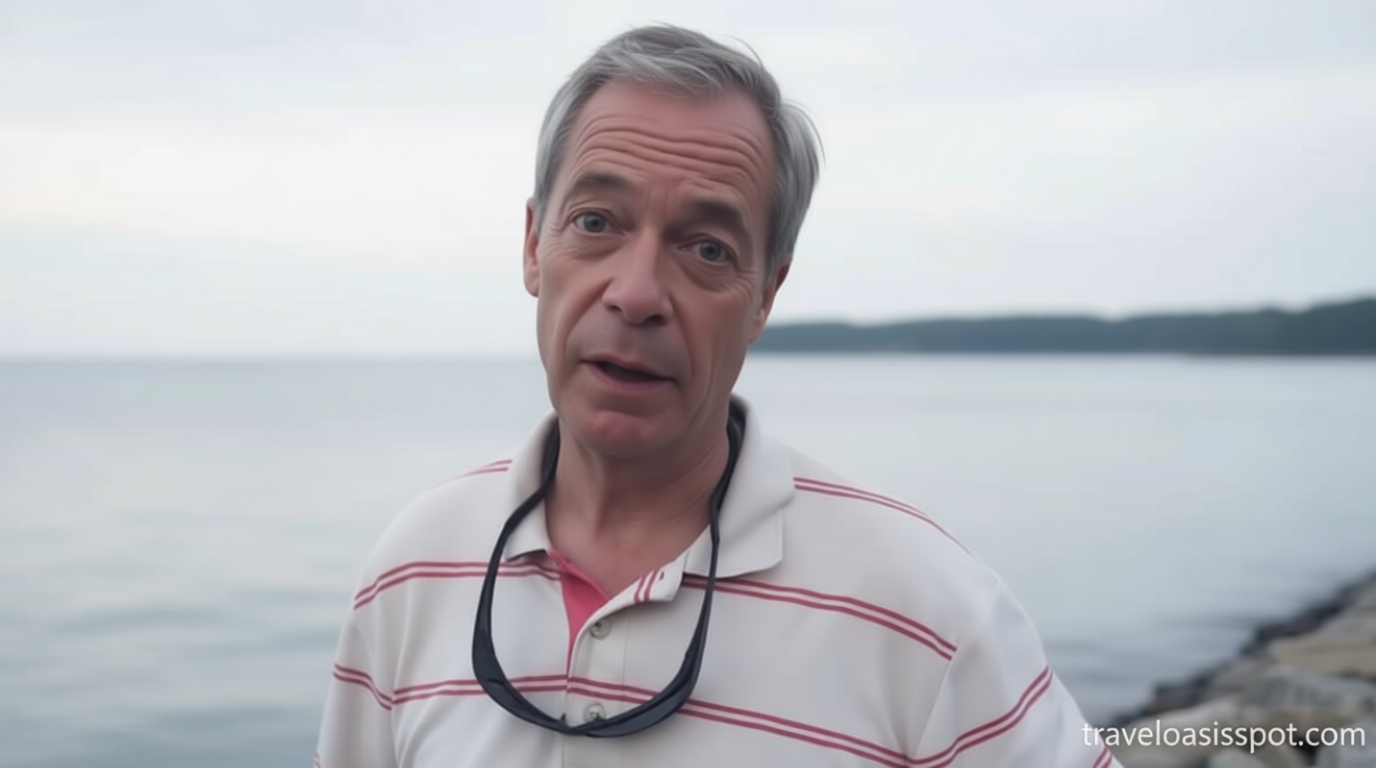
Nigel Farage piles pressure on US to kill off Labour’s Chagos islands surrender deal as he travels to Donald Trump’s Mar-a-Lago estate in Florida
Nigel Farage piles pressure on US to kill off Labour’s Chagos islands surrender deal as he travels to Donald Trump’s Mar-a-Lago estate in Florida Nigel Farage is set to intensify his push on the United States to abandon Labour’s plan for the Chagos islands’ handover, during his visit to Donald Trump’s Mar-a-Lago estate in Florida. The Reform UK leader emphasized the need to challenge the agreement, which would transfer the Indian Ocean territory to Mauritius while allowing the UK to retain the airbase for £35 billion. Reinforcing the message at Trump’s retreat Farage, who was scheduled to attend a dinner at Mar-a-Lago on Friday, stated he would ‘reinforce the message’ that Sir Keir Starmer’s proposal is the ‘worst deal in history.’ The plan, he argued, is ‘dreadful from every perspective’ and represents an ‘absolute betrayal’ of strategic interests. ‘President Trump has almost understood the deal, almost, but I will be dining at Mar-a-Lago tomorrow night and will reinforce the message. It was the worst deal in history, dreadful from every perspective, an absolute betrayal of so many things,’ Farage said before departing for the US. Legal challenges and strategic concerns A new legal hurdle for Sir Keir Starmer emerged as Mauritius announced intentions to sue Britain over the delayed ratification of the controversial deal. Prime Minister Navin Ramgoolam hinted at pursuing legal avenues, adding pressure on the UK government. ‘We are exploring legal avenues in the Chagos case,’ Ramgoolam stated, highlighting the potential for legal action against the UK. US political backlash and security risks Meanwhile, senior US politicians warned of the deal’s implications for national security. Senator Ted Cruz, during a Senate Foreign Relations Committee hearing, expressed alarm over the UK’s plan, claiming it would ‘jeopardise US national security by exposing military operations to China and potentially restricting military access to Diego Garcia.’ ‘The UK is taking a serious gamble with the special relationship by putting one of our most vital shared military assets at risk,’ Cruz said. Frank Garcia, Trump’s nominee for Assistant Secretary of State for African Affairs, echoed these concerns. He pledged to advocate for long-term UK-US agreements, stressing the importance of the Diego Garcia base. ‘If confirmed, I commit to working with the committee to look at the issues with regard to our agreements, long-term agreements with the UK to share basing opportunities there,’ Garcia added. Reform UK’s own attempt to claim the islands Farage’s efforts were preceded by his personal attempt to reach the Chagos islands last month. The move underscored his commitment to challenging the Labour-led plan, even as Downing Street remained silent on the matter. Government sources, however, asserted there is no legal foundation for Mauritius to seek compensation for delays in the agreement’s approval. Defending the strategic alliance Sir Keir’s spokesperson defended the deal, stating: ‘Maintaining control of Diego Garcia is the entire basis for the agreement that we’ve reached. To maintain our control protects against legal challenges and locks out our adversaries from being able to compromise its operation.’ ‘It is a key strategic military asset for both the UK and the US that’s enabled our shared security for nearly 60 years. It is the only way to ensure that the base remains secure and operational for the long term,’ the spokesperson said.
The big problem with Trump’s plans to open the Strait of Hormuz
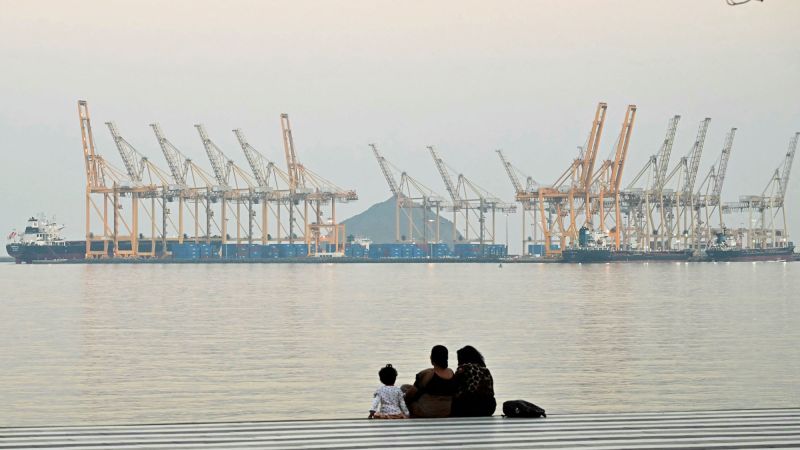
The Big Problem with Trump’s Plans to Open the Strait of Hormuz Commercial shipping operators remain hesitant to navigate the Strait of Hormuz despite President Donald Trump’s assurances of government-backed insurance and naval protection. Martín Izaguirre Salgado, a seafarer who has worked on oil tankers since 2021, recalls the fear of a missile strike in the Red Sea two years ago. Four projectiles exploded near his vessel, sending fragments of shrapnel across the deck. “I keep some of those pieces at home,” Salgado shared with CNN while aboard a tanker in the Persian Gulf. For many in the industry, Trump’s words offer little solace against the ongoing threat of Iranian attacks. Since hostilities escalated over the weekend, major shipping lines such as Maersk and Hapag-Lloyd have paused operations to the Persian Gulf. The strait, a critical artery for 20% of global oil, saw no commercial vessels transit on Wednesday. The Gulf now teems with anchored ships, including Salgado’s, unable to proceed. This pause has sent oil prices surging above $80, reaching their highest level since August 2024. The disruption threatens to ripple through the global supply chain, increasing costs for businesses and consumers. “As long as they keep firing rockets or drones at merchant vessels, the sense of danger will stay,” Salgado said. His experience underscores the industry’s reluctance to take risks in a volatile region. Gene Seroka, a veteran in maritime logistics, expressed doubt about Trump’s proposals. “I have no proof those promises can be fulfilled,” Seroka remarked, citing years of experience in the Middle East. “It’s hard to imagine moving ships into open waters with such uncertainty.” According to a senior US official, the military is prioritizing measures to limit Iran’s ability to disrupt shipping. “Physical security is the main challenge right now,” the official noted. While the navy is working to establish conditions for an operation, no specific timeline has been set for deploying escorts. The administration remains confident the conflict is temporary, though the spike in energy prices has raised concerns among industry leaders. “The key point is that this conflict is expected to be short-lived,” the official added. “The world won’t face an oil shortage, but we’re dealing with a brief price fluctuation.” Sanne Manders, president of Flexport, emphasized that safety remains the top priority for shipping companies. “Crews and vessels are both at risk,” she stated. Even with insurance, operators are wary of exposing their expensive assets to danger. “These companies want to ensure their ships are secure,” Manders explained. “They’re not going to gamble with hundreds of millions of dollars for a single commercial deal.” Despite Trump’s public optimism, the shipping sector’s wariness suggests a deeper unease. The administration’s recent actions indicate a growing awareness of the strait’s strategic importance, yet the fear of Iranian attacks continues to dominate the narrative. With no immediate relief in sight, the industry awaits a ceasefire to restore confidence in the region’s waters.
From a £1bn dream to a brutal collapse: How Brewdog hit the rocks
From a £1bn dream to a brutal collapse: How Brewdog hit the rocks James Watt, once a passionate entrepreneur, once said, “All self-respecting captains go down with their ships.” But when the beer brand he co-founded faced administration last week, Watt was no longer steering the course. He stepped away in 2024, after years of negative headlines and dwindling profits, joining co-founder Martin Dickie in abandoning the ship. Their ambitious vision had crumbled, leaving behind a trail of financial turmoil and shattered hopes. Despite cashing out £100m in 2017, the duo now moved on to new projects as affluent pioneers. The remnants of Brewdog’s journey, however, are being examined by hundreds of staff laid off in a single 11-minute Teams call and 200,000+ Equity Punks, who may never recoup their over £100m investment. The roots of a rebellious brand Brewdog’s story began in Fraserburgh, Scotland, where two childhood friends set out to disrupt the craft beer scene. James Watt, the son of a fisherman, was brash and driven, while Martin Dickie, a beer enthusiast, brought steady expertise. In the mid-2000s, they brewed from makeshift equipment in Dickie’s mother’s garage, later moving to a modest industrial space in Fraserburgh. Despite early rejections, the pair pressed on, fueled by a shared belief in their craft. Watt recounted their sleepless nights, often resting on malt sacks in the brewery, and the constant battle to cover basic expenses. “We missed loan payments regularly… we could barely sell enough to afford rent,” he explained. “They shook up an industry that needed shaking up. There’s no doubt about that, and I will always give them credit for that,” said beer writer Melissa Cole. Breakthrough came in 2008, when their flagship beer, Punk IPA, won a prestigious competition and secured a contract with Tesco. The brand’s audacious image, however, began with Watt’s bold tactics. He claimed to have lied to a bank to secure funding for a major expansion, a move that later faced scrutiny when it was revealed Watt’s father was a wealthy fisherman. Despite this, the company’s irreverent style captured public imagination, positioning it as a force against the traditional beer giants. Revolution through innovation and risk By 2017, Brewdog had become a household name, with turnover reaching £111m and over 600 locations worldwide. But its rise was built on bold stunts and unconventional strategies. Watt famously targeted “bland and insipid” big brands, even launching a campaign that saw him and Dickie send Heineken bottles skyward with rockets. Their antics extended to driving tanks through streets and tossing stuffed executives from helicopters, all while crafting record-breaking beers. One such experiment involved bottling the world’s strongest beer and placing it inside a taxidermied squirrel, a symbol of their punk ethos. Their growth relied heavily on Equity For Punks (EFP), a unique funding model that allowed fans to invest in the company. Over 12 years, EFP rounds raised more than £100m, with Andrew Morgan, a fellow beer entrepreneur, among the first backers. “It was revolutionary in changing how people could support businesses,” Morgan reflected. “These guys brought something new to the industry, and it was exciting.” As the company expanded, Watt positioned sustainability as a core value. Brewdog claimed to be the first carbon-negative brewer, even purchasing a forest in the Highlands to offset emissions. Yet, with growth came pressure, and the once-rebellious brand found itself at odds with its own promises. By 2024, the financial strain had become insurmountable, leading to a sudden and severe collapse. What had once been a symbol of punk innovation now faced the harsh reality of a market that had grown weary of its boldness. Warning: This article contains language that some readers may find offensive.

Exposed: The dirty campaign to paint Muslim MPs as anti-British
Exposed: The dirty campaign to paint Muslim MPs as anti-British In politics, certain words or phrases can swiftly gain traction, shaping narratives with surprising ease. A notable case in recent memory involves the term “weapons of mass destruction,” which became a central talking point during the 2003 Iraq invasion. While initially presented as a technical argument, its repeated use by leaders like George W. Bush and Tony Blair lent an air of authority to their claims, even as the reality proved otherwise. The media embraced this terminology, bolstering its credibility and normalizing the false assertion. By the time the invasion concluded, it was clear that the WMD narrative had been strategically weaponized to justify an unjustified war. This illustrates how political language can evolve to serve ideological purposes, often with little regard for factual consistency. Today, a similar pattern is emerging with the word “sectarian.” Though not new, its application has shifted from describing divisions in Northern Ireland to targeting British Muslim politicians. The Oxford English Dictionary defines sectarianism as a “narrow-minded adherence to a particular sect,” emphasizing conflicts between different groups. Synonyms such as bigot, separatist, or extremist now serve as tools to marginalize Muslim MPs in the public eye. Since the 2024 general election, the term has been central to a growing campaign portraying Muslim representatives as outsiders. This strategy was first seen in a parliamentary debate when Tory peer Lord Godson warned of “rising extremism” and “explicitly communalist appeals.” He argued that candidates had “ridden this sectarian tiger,” suggesting a threat to the UK’s political fabric. “Too many candidates in this month’s general election have sought to ride this sectarian tiger.” Following Godson’s lead, Tory politicians rapidly adopted the term. Robert Jenrick, a contender in the party’s leadership race, soon accused “sectarian gangs” of inciting disruption and violence. His rival, Kemi Badenoch, condemned MPs elected on “sectarian Islamist politics,” calling them “alien ideas with no place here.” “Sectarian MPs have polluted our politics.” Meanwhile, Nigel Farage of Reform UK warned against “sectarian politics,” framing Islamic influence as a cultural overtake. Journalists like Douglas Murray echoed these sentiments, suggesting that Enoch Powell, a famously racist Tory, would have been “deemed certifiable” if he had predicted the rise of Muslim voters in Birmingham. “If Powell had predicted… he would most likely have been deemed certifiable.” Murray further claimed that MPs such as Ayoub Khan were elected “solely because of their appeal to the sectarian Muslim vote,” highlighting their focus on Israel and Gaza. This coordinated effort aims to cast Muslim politicians as inherently divisive, reducing their role in democratic life to that of extremists or separatists. The campaign’s goal is clear: to position Muslim MPs as threats to British unity. By redefining “sectarian,” critics seek to label them as anti-British, echoing Margaret Thatcher’s phrase “enemy within” to stoke public fear. The result is a narrative that frames Muslim participation in politics as a destabilizing force, rather than a reflection of diverse voices in society.

‘I thought my husband was cheating – the truth was far more devastating’
‘I thought my husband was cheating – the truth was far more devastating’ Anna and her husband James* had built a life together, navigating the demands of parenthood and work. Both were juggling responsibilities; James managed his own tattoo studio, while Anna handled part-time office tasks alongside caring for their two young children, whose constant energy turned their Midland home into a whirlwind of activity. James often claimed he needed to run errands, leaving for a couple of hours with little more than a bar of chocolate in hand. Anna recalls how he’d say he was heading to the shop, but the brief absences and his constant presence with his phone raised questions. The device was always in his pocket, even during bathroom breaks, and he had installed a privacy screen to obscure its contents. “He told me it was for banking and client confidentiality, so no one could steal his info when he was out. I just dismissed it, but the unease I’d felt for months only grew stronger,” Anna explains. Anna’s suspicion deepened when she noticed a recurring name in James’s work diary. While he was away one morning, she flipped through the pages and saw ‘John’ listed every few weeks, each entry covering an entire day—a pattern unusual for his type of business. Determined to uncover the truth, Anna enlisted the help of Reveal Private Investigators. She admits it was a drastic step, but the need for clarity outweighed her hesitation. “I needed professionals to dig up the facts. I didn’t want to stalk him or follow him myself,” she says. The next day, an investigator shadowed James. The following morning, Anna was at home with the kids when the detective called with a startling revelation. “They said he’d arrived at the studio, turned on all the lights, and opened the blinds. Then he locked up, slipped out the back gate, and headed to the train station,” Anna remembers. James had staged the appearance of a working day to mislead her, and once on the train, he bought a greetings card and baby toys. After writing a message inside the card, he met a woman and a newborn at a café. “When I saw the photos, I knew. The way he held the baby—it was unmistakable,” Anna says, her voice breaking. Later that day, Anna confronted James. “I told him straight out: ‘I think you’re cheating. There’s more to those late-night trips and your secrecy.’ I mentioned the diary entries, and he denied everything,” she recalls. But when she showed him the evidence, he crumbled. “He begged for forgiveness, but how sincere could he be after all he’d done?” Anna adds. James finally confessed: he’d been seeing another woman for a year, and their relationship had led to an unplanned pregnancy. “He ruined everything. Our family was turned upside down,” Anna says, her anger still simmering. She packed his belongings, tossed them out, and demanded he leave. Despite the fallout, Anna decided to give him a chance. “I told the kids daddy was going on a short holiday, and after I calmed down, he came back for a few days. We tried to adjust, but eventually, James moved out.”
Middle East conflict: Do US voters back Trump’s Iran war?
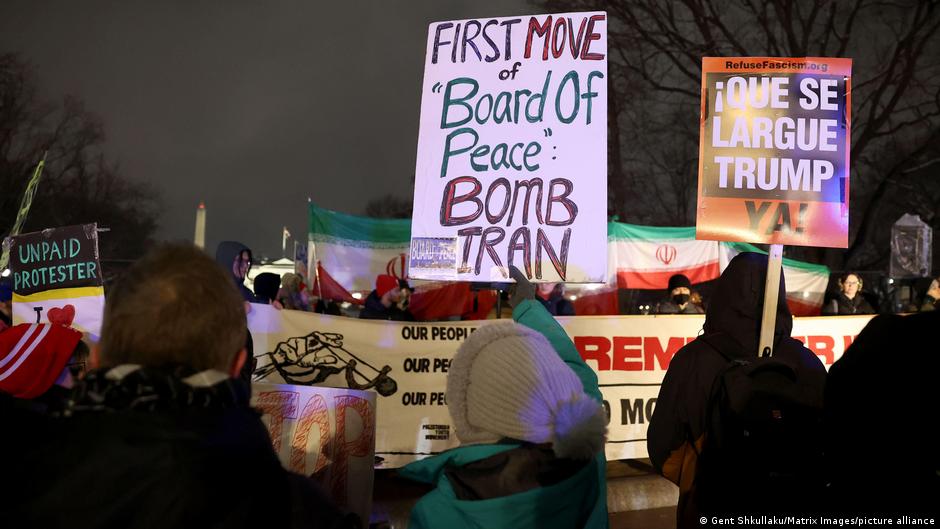
Middle East conflict: Do US voters back Trump’s Iran war? Shifting Perceptions Amid Rising Tensions The ongoing U.S. military actions against Iran have sparked concerns over their economic effects, notably fueling oil price increases and contributing to inflation. Public sentiment is divided, with polls indicating a majority of Americans oppose the conflict. Despite this, Trump’s political allies remain largely supportive, suggesting a complex domestic landscape. From Peace to War: A Contradiction? Donald Trump once positioned himself as a leader of peace, claiming to have resolved multiple global conflicts. He even established the Board of Peace and advocated for a Nobel Peace Prize. Yet, the recent strikes on Iran have flipped this narrative. Trump’s use of military force in January to oust Venezuelan leader Nicolas Maduro further underscores this shift. “The current situation in the Middle East is more likely to exacerbate domestic concerns and refocus American attention on a questionable and shaky US economy,” Jonathan Katz, now with the Brookings Institution, notes the economic impact. Meanwhile, former Fox News commentator Tucker Carlson has criticized the Iran strikes, calling them “absolutely disgusting and evil,” highlighting internal divisions within Trump’s base. Political Fallout and Unilateral Moves Trump’s Iran war has drawn scrutiny, particularly as it contradicts his campaign pledge to end endless conflicts. Critics argue that the economic repercussions—rising fuel costs and inflation—are undermining his promises. Johannes Thimm of the SWP highlights how these consequences could strain the budget and provoke public backlash. Domestic resistance is expected to grow, especially if the economic toll becomes evident. The Democratic-led War Powers Resolution, aimed at curbing presidential war authority, has already been rejected by the Senate. This underscores the challenge of congressional oversight in modern warfare, even though the Constitution grants Congress the power to declare war. Midterm Elections and Strategic Dilemmas With midterm elections approaching in November, the Republican Party faces a tough choice. While supporting Trump is crucial, the war’s unpopularity may jeopardize their chances. Thimm suggests the party is caught between loyalty to their leader and addressing voter discontent. Thomas Warrick of the Atlantic Council warns that Trump’s unilateral approach could backfire. By acting without congressional backing, he risks a significant domestic setback if the conflict fails to deliver expected outcomes. This dynamic adds pressure as the political stakes rise.
6 dead in apparent tornadoes in Michigan and Oklahoma
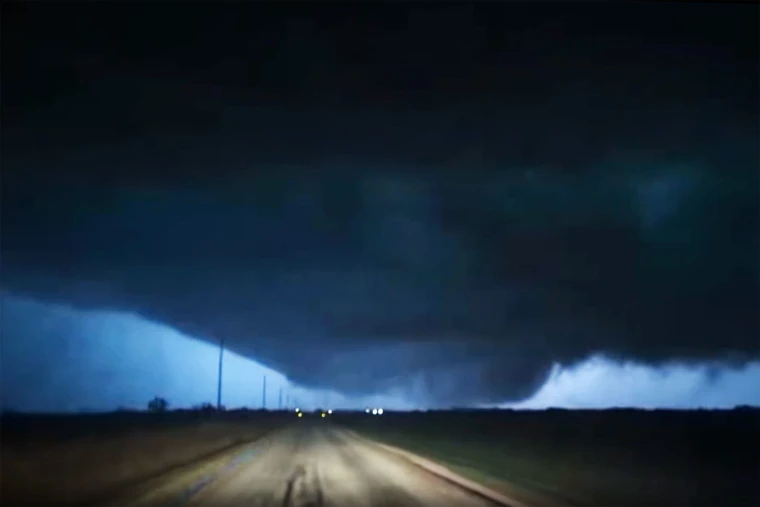
6 Dead in Tornado Outbreaks Across Michigan and Oklahoma Authorities confirmed at least six fatalities after unverified tornado activity struck Michigan and Oklahoma on Friday. The devastation included roofless buildings, debris scattered through the air, and uprooted trees in affected regions. Emergency officials activated the state’s Emergency Operations Center to address widespread damage and injuries reported across multiple southwest Michigan counties. Michigan: Damage and Warnings Branch County officials reported 12 injuries and three deaths following a tornado that hit the Union Lake area, approximately 125 miles west of Detroit. In Cass County, about 170 miles from Detroit, Sheriff Clint Roach confirmed one fatality and multiple injuries. Residents in St. Joseph County, near the Indiana border, were urged to seek shelter immediately after reports of an unconfirmed tornado and severe thunderstorm conditions. “Citizens should anticipate power outages, closed roadways, and cellular/internet interruptions,” the sheriff’s office stated on Facebook. Oklahoma: Tragic Losses In Okmulgee County, a suspected tornado claimed two lives from the same family, according to Sheriff Eddy Rice. Meanwhile, on Thursday, a 47-year-old woman and her 13-year-old daughter from Fairview were found dead in a vehicle near a highway intersection, with officials labeling the crash as tornado-related. “Severe weather struck Major County last night and tragically claimed the lives of a mother and daughter,” Oklahoma Governor Kevin Stitt said in a statement. Witness Accounts and Storm Activity Lisa Piper, a resident near Union City, captured footage of a rotating column of air tearing through buildings across the lake from her home. “It’s lifting houses,” she said as the tornado grew in intensity. Similar scenes were documented in western Oklahoma, where a first responder drove toward a storm, illuminated by lightning, showing a massive funnel reaching the ground. “Oh my God,” Piper repeatedly exclaimed in the video. “Oh, I hope they’re OK.” Broader Weather Impact Severe thunderstorms developed Friday afternoon in Michigan, extending to North Texas. While no confirmed tornadoes were reported, numerous videos showed violent rotating columns of air in the Midwest. The National Weather Service in Norman, Oklahoma, planned to investigate Thursday night’s storms to determine if they were tornadoes. “As of right now, we’re still investigating that,” meteorologist Ryan Bunker noted. Regional Risk and Forecast The Storm Prediction Center highlighted that over 7 million Americans faced the highest risk of severe weather Friday, including areas around Kansas City, Missouri; Tulsa, Oklahoma; and Omaha, Nebraska. A larger zone of 25 million people, encompassing Dallas and Milwaukee, was at a lower risk. Forecasters warned of scattered thunderstorms and potential tornadoes in the eastern portions of Oklahoma, Kansas, and Nebraska, as well as western Arkansas and southern Iowa. “This setup involves a clash between warm Gulf air and cool Canadian air,” meteorologists explained, detailing the storm’s formation.