
Cleveland Playground Now a Place of Mourning for Two Girls Found in Suitcases Saranac Playground, once a vibrant gathering place for children on Cleveland’s east side, has become a somber site of remembrance after the tragic discovery of two young girls buried in shallow graves inside suitcases. The incident has left the community in shock, with families and neighbors leaving tributes such as stuffed animals and flowers at the location. The mystery of their deaths deepens as authorities investigate the circumstances surrounding the tragedy. Aliyah Henderson, 28, has been charged with two counts of aggravated murder following the find. During her first court appearance on Friday at Cleveland Municipal Court, Henderson appeared calm, wearing a blue sweatshirt and flanked by officers. The judge, Jeffrey Johnson, set her bond at $2 million, emphasizing the severity of the charges and public safety concerns. Henderson only said “Thank you” when responding to the judge’s well-wishes, offering little insight into the events leading to the deaths. Assistant Prosecuting Attorney Kristine Travaglini noted that the girls’ remains were “badly decomposed” during the hearing. While the Cuyahoga County Medical Examiner’s Office has confirmed the girls were half-siblings through DNA analysis, the exact cause and timeline of their deaths remain unclear. Cleveland Police Chief Dorothy Todd added that neither child showed signs of dismemberment, though the location of the bodies near the playground has raised questions about their fate. A passerby, Phillip Donaldson, reported the grim find on Monday after his dog paused over a pile of dirt. “It was like a pile of dirt, and she stopped to sniff… and she was taking too long,” he told WEWS-TV. Upon closer inspection, the dog uncovered a suitcase half-buried in the ground, revealing a head inside. Donaldson claimed the pile had been there for at least a week, prompting an immediate response from homicide detectives. Deshaun Chatman, who identified himself as Mila Chatman’s father, visited the burial site on Thursday. He shared that he hadn’t spoken to his daughter in several years and had repeatedly contacted the Department of Children and Family Services to seek custody. “I just feel useless,” he said, expressing grief over his inability to save his child. The agency has taken custody of another child from Henderson’s home, who appears to be in good health, but no further details about the child were disclosed. “The deaths of these girls are a tragedy for their families and our entire community,” said a Cuyahoga County spokesperson, Jennifer Ciaccia, in a statement. The official declined to release more information, citing ongoing investigations and Ohio’s confidentiality laws. NBC News has reached out to Henderson’s mother for additional comments. Earlier in 2019, the family was featured in a Cleveland Plain Dealer article about a hospital program aiding financially struggling households. The piece included a photo of Henderson, smiling, holding her then-3-year-old daughter Amor on her lap, while her mother cradled Mila, who was nearly 2 at the time. At the time, Henderson had expressed gratitude for the support. Corky Siemaszko, a senior reporter for NBC News Digital, contributed to the coverage of this story.
Solve Travel Language Barriers: 5 Simple Tips for Smooth Journeys
Solve Travel Language Barriers: 5 Simple Tips for Smooth Journeys Traveling to a new country can be an exciting and enriching experience, but language barriers often create stress and confusion. Whether you’re ordering food, asking for directions, or negotiating prices, the inability to communicate in the local language can hinder your ability to fully enjoy your trip. Fortunately, solve travel language barriers doesn’t have to be a daunting task. By implementing a few simple strategies, you can navigate foreign environments with confidence and ease. This article provides five practical tips to help you overcome language barriers and ensure a more seamless travel experience. Learn Basic Phrases Before Your Trip One of the most effective ways to solve travel language barriers is to learn a few essential phrases in the local language. Even if you don’t speak the language fluently, knowing simple words and sentences like “hello,” “thank you,” “where is the restroom?” or “how much does this cost?” can make a significant difference. Many travelers underestimate the power of basic communication, but it can help you build rapport with locals and avoid misunderstandings. Start by focusing on the phrases you’re most likely to use during your trip, and practice them before departure. This preparation not only boosts your confidence but also shows respect for the local culture. Use Translation Apps Effectively In today’s digital age, translation apps have become invaluable tools for solve travel language barriers. Apps like Google Translate, iTranslate, or Microsoft Translator can instantly translate spoken or written language, making it easier to understand menus, signs, and conversations. To use these apps effectively, download them before your trip and familiarize yourself with their features. Some apps allow you to speak into your phone or use text-to-speech functions, which are particularly helpful in situations where you can’t read or write the local language. However, it’s important to note that while these tools are convenient, they may not always be 100% accurate. Pairing them with a dictionary or phrasebook can enhance their reliability. Communicate with Body Language and Gestures When words fail, nonverbal communication can bridge the gap. Using body language and gestures can help you convey your needs even if you don’t speak the local language. For example, pointing to your mouth when asking for water, using hand signals for directions, or showing a smile to express friendliness can be universally understood. In some cultures, body language plays a crucial role in communication, so observing local customs is key. While gestures may vary slightly between regions, basic actions like nodding, waving, or showing your hands can be effective. Combining these techniques with translation apps can provide a more comprehensive solution for solve travel language barriers. Engage with Locals and Be Open to Learning Interacting with locals is one of the best ways to solve travel language barriers in real-time. Asking for help, whether it’s a simple question or a more complex one, often leads to positive interactions and mutual learning. Locals are usually happy to assist tourists and may even teach you a few words or phrases. This exchange not only improves your ability to communicate but also enriches your travel experience by creating personal connections. To encourage engagement, approach people with a friendly attitude and a willingness to learn. Even if your accent is off or your vocabulary is limited, your enthusiasm can make a lasting impression. Stay Calm and Patient When Communicating Language differences can sometimes lead to awkward or frustrating moments, but staying calm and patient is essential. When you encounter a language barrier, take a deep breath and avoid panicking. Breaking down sentences into shorter words or using simple explanations can help clarify your message. For instance, instead of saying “I would like to book a hotel near the train station,” you might start with “Where is the hotel?” and then add “near the train station” to narrow it down. Remember, small mistakes are normal, and locals will often appreciate your effort to communicate. Practicing patience also helps you avoid misunderstandings and maintain a positive attitude throughout your journey. Additional Resources and Tools Beyond basic phrases and apps, there are other tools and resources that can aid in solve travel language barriers. For example, carrying a printed phrasebook or using a pocket-sized dictionary can be useful in situations where digital devices aren’t available. Additionally, learning a few common words in the local language, such as numbers or days of the week, can help you navigate everyday tasks more easily. Some travel websites also offer language guides or audio resources that can be downloaded for offline use. By combining these resources, you can create a well-rounded strategy to solve travel language barriers and enhance your travel experience. Why Language Barriers Matter in Travel Language is more than just a tool for communication; it’s a gateway to understanding a new culture and building meaningful connections. When solve travel language barriers is achieved, it allows you to engage more deeply with the environment, ask questions, and even participate in local traditions. This can turn a routine trip into a memorable and enriching adventure. On the other hand, unresolved language barriers may lead to missed opportunities, confusion, or even inconvenience. For example, not knowing the word for “restaurant” might make it harder to find food, while misunderstanding a phrase could cause embarrassment or delays. Therefore, addressing language barriers is crucial for a smooth and enjoyable journey. Practical Examples for Everyday Scenarios Applying the tips to real-life situations can make them easier to remember and use. When entering a market, you might use a translation app to compare prices or ask about quality. At a train station, knowing how to ask for directions can help you avoid getting lost. In a restaurant, learning the phrase for “I’m allergic to…” ensures your dietary needs are understood. These practical examples demonstrate how small steps can lead to significant improvements in communication. By practicing these scenarios in advance, you can feel more prepared and reduce anxiety during actual travel. The key is
2024 Travel News: Must-Know Trends & Destinations
2024 Travel News: Must-Know Trends & Destinations As we step into 2024, travel news in 2024 is shaping up to be a transformative year for the travel industry. With global recovery from the pandemic accelerating and travelers seeking new experiences, 2024 is marked by innovative trends, emerging destinations, and a renewed focus on sustainability. From tech-driven travel solutions to immersive cultural experiences, the year promises to redefine how we explore the world. Whether you’re planning a solo adventure or a family getaway, staying updated with the latest travel news in 2024 will help you make informed decisions and maximize your journey. Sustainable Travel Takes Center Stage Sustainability has become a cornerstone of modern travel, and travel news in 2024 highlights its growing importance. Airlines, hotels, and tour operators are increasingly adopting eco-friendly practices, such as carbon-neutral flights, plastic-free accommodations, and locally sourced tours. Travelers are also prioritizing destinations with strong environmental policies, pushing the industry toward greener operations. This shift isn’t just a trend—it’s a reflection of consumer demand for responsible travel that minimizes ecological impact. One of the key developments is the rise of carbon offset programs integrated into booking platforms. These programs allow travelers to calculate and compensate for their emissions, making sustainability accessible to all. Additionally, there’s a focus on zero-waste travel, with many destinations offering reusable luggage, biodegradable toiletries, and waste-free activities. As sustainability becomes more mainstream, it’s likely to influence travel costs and package offerings in 2024. Adventure and Culture: The New Travel Priorities Adventure and cultural immersion are now the top priorities for travelers in 2024. While budget-friendly options remain popular, there’s a noticeable shift toward unique, off-the-beaten-path experiences that offer deeper connections to local traditions and landscapes. From hiking in remote mountain ranges to exploring ancient ruins, travelers are eager to engage with authentic destinations that provide more than just scenic views. Travel news in 2024 also emphasizes the importance of cultural storytelling in travel planning. Destinations like Kyoto, Morocco, and New Zealand are not just popular for their natural beauty but for their rich heritage and storytelling opportunities. Tourists are seeking guided experiences that blend history, art, and local cuisine, ensuring a more meaningful trip. This trend is expected to drive demand for specialized tours and immersive cultural programs, offering travelers a richer and more personalized journey. Emerging Destinations to Watch in 2024 The 2024 travel landscape is seeing a surge in lesser-known destinations that are gaining global attention. Places like Bhutan, the Faroe Islands, and Uzbekistan are emerging as top choices for travelers seeking tranquility, adventure, or cultural depth. These spots are attracting visitors due to their unique offerings, from Bhutan’s emphasis on happiness and wellness to the Faroe Islands’ dramatic fjords and colorful cliffside villages. Another standout is Costa Rica’s Pacific Coast, which is becoming a hotspot for eco-tourism and adventure activities. Meanwhile, Alaska’s interior regions are seeing increased interest, thanks to improved infrastructure and the allure of wilderness exploration. These destinations are not only expanding the travel map but also pushing the industry to balance growth with conservation. As travel news in 2024 continues to spotlight these areas, they’re expected to become more accessible and popular in the coming year. Technology Enhances the Travel Experience Technology is playing a pivotal role in shaping the travel industry in 2024. From AI-powered travel assistants to seamless digital payments, innovation is making trips more efficient and personalized. Travel news in 2024 shows that travelers are increasingly relying on smart tools to streamline planning, navigation, and real-time updates. Apps that offer virtual reality previews of destinations, smart luggage with GPS tracking, and voice-activated booking systems are now mainstream. One of the most anticipated tech advancements is AI-driven itinerary planning, which uses machine learning to suggest tailored experiences based on user preferences. Additionally, contactless check-ins and biometric security measures are becoming the norm, especially in airports and hotels. These changes not only enhance convenience but also align with the growing demand for health and safety protocols. As technology continues to evolve, it’s likely to further revolutionize how we interact with the world during our travels. Safety and Health: A Focus for 2024 With the pandemic still influencing travel behavior, travel news in 2024 underscores the importance of safety and health considerations. Travelers are more cautious than ever, prioritizing destinations with low infection rates, reliable healthcare access, and flexible cancellation policies. This shift has led to a rise in health-focused travel packages, which include wellness retreats, guided fitness activities, and sanitization protocols. Health authorities and travel agencies are also emphasizing vaccination requirements and health passports as standard for international trips. Destinations are investing in better hygiene infrastructure, and airlines are introducing sanitized cabins and mask-free policies based on regional guidelines. These measures ensure that safety remains a key factor in 2024, allowing travelers to explore with confidence and peace of mind. The Rise of Solo and Small-Group Travel Solo and small-group travel are gaining momentum in 2024, driven by a desire for personalized experiences and social connection. Travel news in 2024 indicates that many travelers are opting for group tours that blend camaraderie with flexibility, rather than traditional large tours. These smaller groups offer a more intimate setting, allowing for deeper interactions with locals and a more tailored itinerary. Adventure-focused small-group tours are particularly popular, with themes like solo hiking, cultural exchange programs, and food tourism taking off. Destinations are also adapting by creating smaller accommodations and localized guides, enhancing the overall experience. This trend reflects a broader shift in how people approach travel, prioritizing meaningful connections over crowded tourist spots. FAQs Q: What are the top travel trends in 2024? A: 2024 travel trends emphasize sustainability, adventure, and technology, with a focus on eco-friendly practices, cultural immersion, and AI-driven travel solutions. Q: Are there any new destinations gaining popularity in 2024? A: Emerging destinations like Bhutan, the Faroe Islands, and Uzbekistan are becoming must-visit spots due to their unique experiences and growing accessibility. Q: How is technology changing travel in 2024? A: Technology

Parenthood has turned my greatest joy into a battle
Parenthood has turned my greatest joy into a battle As I glanced at the clock, my heart sank, signaling it was 4:30 pm—dinner prep time. The once thrilling act of crafting meals had transformed into a chore, with five children demanding a constant stream of edible options. I find myself mentally cataloging fridge contents, searching for dishes that balance health, simplicity, and the energy to prepare. Yet, the moment I step into this role, I feel a quiet sense of defeat. A shift from passion to necessity Before motherhood, cooking was an art form—experimenting with flavors, discovering new recipes, and wandering supermarket aisles with a sense of adventure. Now, it’s a battlefield where my once vibrant enthusiasm is overshadowed by the demands of five kids. The first child’s arrival in 2009 sparked a new kind of joy. I cherished the mess of mashed vegetables and the wonder of their first solid bites. But as the family grew, so did the complexity. My husband, Ray, and I simplified our routines, often opting for meals that mirrored the children’s preferences, even if they weren’t pureed. This compromise led to a predictable rotation of ‘safe’ dishes—carbonara, spag bol, and roast chicken. While I consoled myself that this would ease with time, the reality was far more stubborn. My favorite lasagne fell out of favor, deemed too unexciting. One child developed a fear of food getting ‘stuck,’ after a particularly dry potato bite caused a blockage. Another grew to despise certain items, returning from school ravenous yet fussy. The more I adjusted to their tastes, the more the others complained about repetition. The weight of expectation Even when a snack or sandwich suffices, the pressure to maintain a stockpile of ingredients—tins of tuna, pasta packets, curry components, and cereal varieties—adds to the strain. The kids’ disbelief when we run out of staples feels almost as draining as the constant need to ‘succeed’ in health, budget, and taste. My low expectations have become a lifeline. Accepting that a successful meal is rare means I’m more likely to feel joy when they devour a new recipe or clear their plates. On other days, I’m left scraping leftovers into the recycling bin, dreading the outcome. Once, I relished cooking meals for me and my husband. Now, we all eat together to save money, time, and the fragile remnants of my sanity. Yet, I’m not alone in this struggle. Conversations with other parents reveal a shared frustration: we’re all navigating the challenge of fussy eaters, staring into the fridge with weary eyes each week. Do you have a story you’d like to share? Get in touch by emailing Ross.Mccafferty@metro.co.uk.
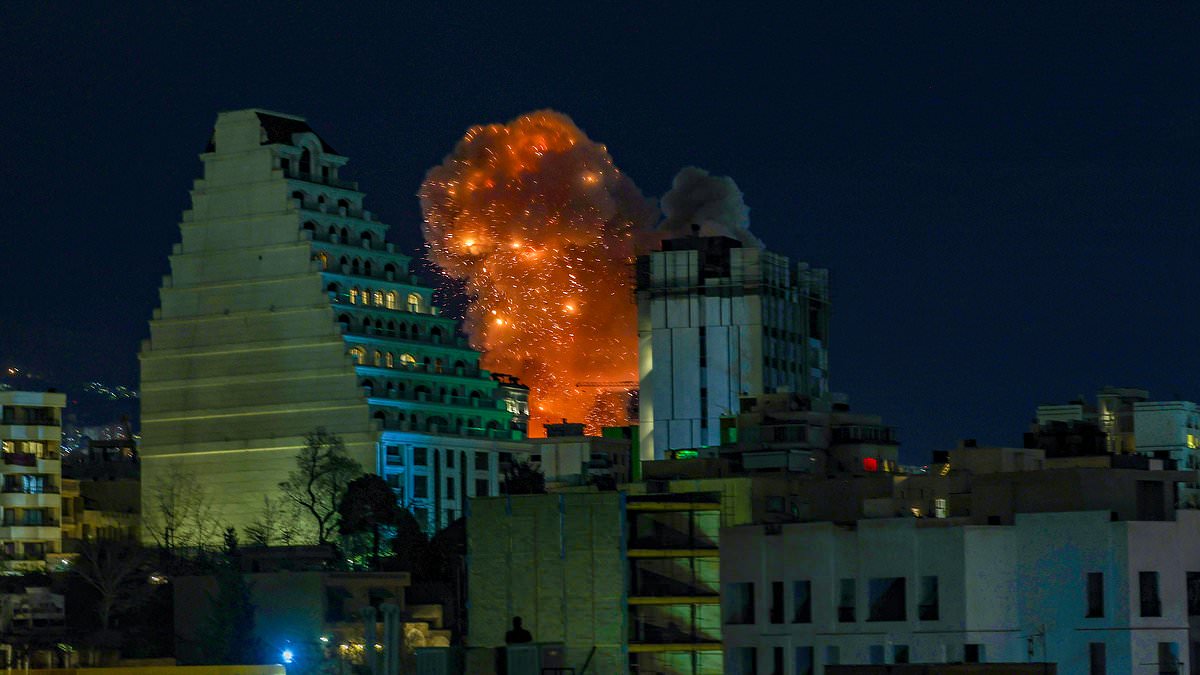
Flames engulf Iran after devastating US and Israeli strikes against regime’s oil depots as Trump warns ‘there won’t be anyone left to say surrender’
Flames engulf Iran after US and Israeli strikes on oil depots Tehran’s skies were bathed in an ominous red hue as US and Israeli forces launched coordinated attacks on key oil depots within the Iranian capital, escalating tensions in the Middle East. The assault, which occurred late last night, left large portions of the city smoldering and filled with a sharp, acrid odor. Residents described the scene as surreal, with towering plumes of orange fire lighting up the night, creating a stark contrast to the usual urban landscape. The strikes marked a significant escalation in the ongoing conflict, with both nations demonstrating a commitment to dismantle Iran’s military capabilities. The Israeli Defense Forces (IDF) confirmed the targeting of multiple fuel storage complexes in Tehran as part of a broader strategy to weaken the regime’s infrastructure. These attacks were part of a ‘major operation’ aimed at disrupting Iran’s ability to sustain its military efforts. “At some point, I don’t think there will be anybody left maybe to say ‘We surrender’,” said US President Donald Trump during a press briefing aboard Air Force One. His remarks underscored the potential for the conflict to reach a decisive phase, with the possibility of Iran’s leadership being eliminated or its military capacity crippled. Iran responded swiftly, launching a series of attacks on neighboring countries including Qatar, Saudi Arabia, and Dubai. While the strikes caused damage to two skyscrapers, a single fatality was reported due to shrapnel from an intercepted missile. The nation’s deputy defense minister reaffirmed Iran’s readiness to continue its defense efforts, stating that its stockpiles of bombs, drones, and missiles remain fully operational. Prime Minister Benjamin Netanyahu of Israel echoed Trump’s determination, vowing to persist in the war until the Iranian regime is eradicated. In a televised address, he emphasized Israel’s control over Tehran’s airspace, claiming that the nation’s military had achieved dominance after a week of relentless operations. “We will continue with all our force,” he declared, promising further strikes against Iran’s strategic assets. The National Iranian Oil Company confirmed that depots in Tehran and the Alborz province were among the targets hit by the aerial assaults. State media attributed the damage to a joint attack by the US and the “Zionist regime,” highlighting the strategic importance of these facilities for fueling the capital and surrounding regions. The IDF also targeted two missile production sites in Parchin and Shahrud, which are central to Iran’s development of ballistic weapons. On social media, the IDF highlighted the scale of its operations, stating that hundreds of Israeli Air Force fighter jets had struck Iran’s production industries over the past week. These strikes, according to military officials, were part of a systematic effort to cripple Iran’s ability to manufacture and deploy advanced weaponry. The conflict shows no signs of slowing down as both sides prepare for the next phase of hostilities.

Stopping weight loss jabs can lead to rapid weight regain in one year, study suggests
Stopping Weight Loss Jabs Linked to Significant Weight Regain, Study Finds A recent study indicates that individuals who discontinue weight loss injections may experience substantial weight recovery within a year, according to new findings. Researchers from the University of Cambridge reported that, after 52 weeks without the medication, participants had regained 60% of the weight they initially lost. The research highlights a concern: if the majority of regained mass is fat, patients might end up in a less favorable condition than before starting treatment. Weight loss injections, classified as GLP-1 receptor agonists, function by mimicking the hormone GLP-1 to manage blood sugar and insulin levels. Initially developed for type 2 diabetes, certain variants like semaglutide (Wegovy) and tirzepatide (Mounjaro) are now approved for obesity management on the NHS. Broader Applications for Obesity Drugs Another study, analyzing over 600,000 US veterans with type 2 diabetes, suggests these injections could also address substance addiction. It found that individuals without prior addiction issues saw a 14% lower risk of developing disorders related to alcohol, cannabis, cocaine, nicotine, and opioids after using the drugs. Experts suggest that the mechanism behind GLP-1s’ effectiveness involves their impact on the brain’s reward pathways, which reduces cravings. This effect was observed in both preventing substance misuse and mitigating related emergencies in those already addicted. Weight Regain Patterns and Long-Term Impacts The Cambridge study, which encompassed six trials involving more than 3,200 people, was published in eClinicalMedicine. It underscores that “significant weight regain follows cessation” of the medication. However, the research noted that weight regain tends to stabilize, with 75% of the original loss recovered by 60 weeks, implying 25% could be maintained long-term. “Our projections show that even though people regain most of the weight they have lost, they still maintain some of the weight loss, but what we currently don’t know is if the same proportion of lean mass is recovered,” said Brajan Budini, a medical student at the School of Clinical Medicine and Trinity College, University of Cambridge. The team emphasized the need for additional studies to explore how these injections influence weight composition during and after treatment. Meanwhile, a separate US analysis, spanning three years, found that veterans on GLP-1s had reduced risks of substance-related issues, with notable decreases in opioid and nicotine dependencies. Although the US research primarily involved older men, similar results were observed in women, reinforcing the potential of these drugs across demographics. The findings, published in the British Medical Journal (BMJ), also revealed lower rates of hospitalizations, emergency visits, and mortality linked to substance use disorders among those receiving the treatment.

Pro-monarchy and pro-democracy protesters gather across Europe in support of Iran
Pro-monarchy and pro-democracy protesters gather across Europe in support of Iran On Saturday, activists from across Europe assembled to demonstrate in favor of the Iranian people, raising flags from the pre-revolution era. These banners, featuring the lion emblem of Iran’s monarchy, were seen in major cities as citizens expressed solidarity amid the ongoing conflict with the US and Israel. In Berlin, Stockholm, and Paris, crowds gathered to voice their stance, with some rallying behind Reza Pahlavi, the exiled crown prince and son of Iran’s final monarch. Pahlavi is seen as a potential leader for a transition, especially after the assassination of Supreme Leader Ali Khamenei by an Israeli-American strike. In London, demonstrators split their focus: some protested against the war, while others defended Khamenei’s leadership. The “Hands Off Iran” march drew between 5,000 and 6,000 participants, according to the Metropolitan Police, who chanted “stop the bombing now, now, now.” Paris hosted two separate events, with one group advocating for Pahlavi to lead a shift toward democratic reforms and another opposing that vision. “I back Pahlavi because he’s pushing for a revolution,” said Masoud Ghanaatian, a 35-year-old student, as he waved flags and held photos of the late shah’s son. “He’s a democrat who can guide Iran through change and promise free elections.” Meanwhile, protesters in Stockholm showcased Pahlavi’s image alongside his late father’s, underscoring their desire for a return to monarchical rule. In Amsterdam, marchers lined the city’s canal, displaying Israeli, American, and pre-revolution Iran flags, and urged the government to welcome Pahlavi and shut down the Iranian embassy. In Britain, a gathering of anti-war demonstrators took place at an air force base in Fairford, holding signs like “Hands off Iran,” “Peace,” and “Yanks go home.” “The selection of Iran’s leadership will take place strictly in accordance with our constitutional procedures and solely by the will of the Iranian people, without any foreign interference,” said Amir Saeid Iravani, Iran’s UN ambassador. US President Donald Trump had previously pledged to aid Iran’s economic recovery if the country appoints someone deemed “acceptable” to him as Khamenei’s successor. Across Europe, the demonstrations highlighted a spectrum of views: some championing a monarchy-driven shift, others backing democratic reforms. The events reflected broader debates over Iran’s future, with tensions heightened by the recent strike that claimed Khamenei’s life.

‘We can’t take it anymore’: How Trump is pushing Cuba to the brink
‘We can’t take it anymore’: How Trump is pushing Cuba to the brink Amid the ongoing crisis gripping Cuba, a man on the streets of Havana approached me with a quiet urgency. “Let the Americans come, let Trump come, it’s time to get this over with,” he murmured, as though revealing a hidden truth. This sentiment is rare in Cuba — and rarer still when uttered during a period of intense US pressure, reminiscent of Cold War tensions. I glanced around to ensure no one was eavesdropping, and checked if my cameraman, documenting the transportation struggles, was nearby to capture the man’s words. He was a bicycle-taxi operator, and his frustration was palpable. For over six decades, Cuba has weathered a series of upheavals: failed CIA invasions, nuclear standoffs, and mass departures. Now, Donald Trump has intensified the strain. “Cuba is going to fall soon,” Trump told CNN’s Dana Bash, a declaration that echoes past presidential bravado but carries fresh urgency. His administration’s swift reimposition of the oil embargo has crippled the island’s already fragile economy, with results strikingly similar to the Cold War’s impact, though without the naval blockade. Trump’s actions are part of a broader strategy. In his second term, he has launched aggressive campaigns to topple leaders in Venezuela and Iran. Cuba, a nation that has withstood decades of US sanctions and internal missteps, now faces the same fate. The flow of oil from Havana’s remaining allies has been severed, leaving hotels built at public expense abandoned or shuttered. Employees have been laid off, and tourists, once a lifeline, have largely disappeared. Without jet fuel, flights can’t return, deepening the island’s isolation. Blackouts, once brief, now stretch for days. When power flickers on in the dead of night, Cubans rise with weary determination to prepare meals and iron clothes. During a recent 36-hour outage, a group of men cooked a stew over burning tree limbs on a Havana street. “We have returned to the Stone Age,” one remarked, his tone oddly cheerful. Fuel scarcity has forced Cubans to rely on T-Plate vehicles, siphoning state gasoline for the black market. A single tank costs over $300, exceeding the annual earnings of many citizens. While Trump insists Cuba is eager to negotiate, officials I spoke with dismissed this as a mirage. The island remains defiant, clinging to its slogan: “The homeland or death. We will be victorious!” Yet, for some, the resolve is fading. Exhausted Cubans express hope for change, though the direction remains unclear. When my cameraman reemerges, I ask the taxi driver if he’s willing to share his thoughts for the story. He walks away swiftly, choosing to keep his grievances low, at least for now.
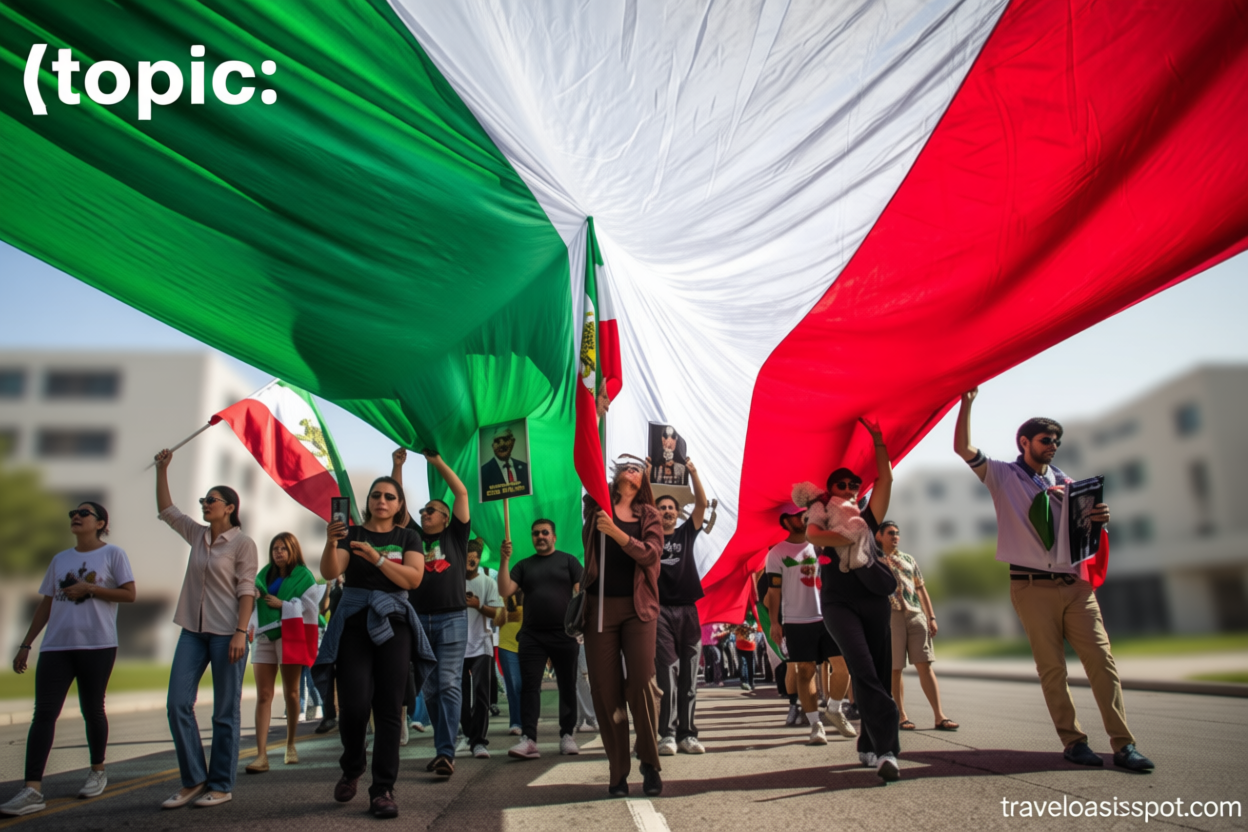
A free Iran is their shared dream. But the diaspora remains torn on the best path forward.
A free Iran is their shared dream. But the diaspora remains torn on the best path forward Los Angeles has become a microcosm of the Iranian diaspora’s internal conflict. Last Saturday, demonstrators gathered near City Hall, decrying the onset of an unsanctioned war with chants like “Stop the war in Iran” and “We the people don’t want war.” Just a few miles away, in Tehrangeles, the same community celebrated what they saw as a potential turning point for their homeland. With American, Israeli, and Iranian flags waving, they danced to upbeat music and rejoiced at the news of Ayatollah Ali Khamenei’s death in a U.S.-Israeli strike. The emotional split within the Iranian diaspora has deepened in recent days, highlighting a stark divide among those who fled theocratic rule after the 1979 Islamic Revolution. “Some are so resentful of the regime that they’d support its destruction even if it means harming parts of the country,” noted Abbas Milani, director of Iranian studies at Stanford University. Others, however, prioritize stability over conflict, advocating for regime change without sacrificing peace. “The images of destruction and the joyous support for war have intensified tensions within the diaspora,” Milani added. “It will get harder before it resolves.” Earlier this year, the Iranian diaspora seemed more unified, rallying behind Iranians protesting the government’s harsh crackdown. Now, with violence escalating across the Middle East, the focus has shifted to debating the methods of achieving change. Online forums have become battlegrounds, with supporters of military action branded as “Zionists” — a term increasingly used as a derogatory label since the Hamas attacks on Israel in October 2023. Anti-war advocates, meanwhile, face accusations of aligning with the regime. Amid this turmoil, the question of Iran’s future leadership has sparked heated discussions. Reza Pahlavi, the son of the last shah, is a favored candidate for some, while others question his ties to the monarchy. The Revolutionary Guard, a central pillar of Iran’s political and military power, is also seen as a key player in shaping the country’s direction if it endures the current crisis. As the death toll mounts and the government imposes an internet blackout, the Iranian diaspora grapples with isolation and uncertainty. The Persian New Year, Nowruz, approaches, traditionally a time of renewal and celebration. Yet, rumors of Mojtaba Khamenei, Ayatollah Khamenei’s son, succeeding him add to the anxiety. Meanwhile, President Donald Trump has suggested removing Iran’s leadership entirely, hinting at potential successors. Public opinion in the U.S. reflects this divide. A recent NBC News poll revealed 54% of potential voters disapprove of Trump’s military approach in Iran. This mirrors the internal split among Iranian Americans, who were previously united in opposing the government’s actions. Last year, a NIAC-YouGov survey found 53% of diaspora members opposed U.S. military intervention, a figure that may shift as the conflict evolves. The Iranian Diaspora Collective, an Instagram account with over 81,000 followers, emphasized this diversity: “We are not a monolith. Millions will never share the same ideology or identity, and that plurality is the strength of any free society.” Los Angeles-based pastor Ara Torosian, a Christian who emigrated from Iran in 2010, expressed anguish over the destruction of cultural sites and the loss of innocent lives, particularly children. Yet he argued that the suffering endured by dissidents under the regime is now being matched by the current conflict.

John Prescott’s son joins Greens
John Prescott’s Son Joins Green Party Sky News reports that David Prescott, the son of former Labour deputy prime minister John Prescott, has become a member of the Green Party. The move follows a significant shift in political alignment, with David now actively supporting the party’s campaign efforts. By-election Victory and Political Shift David, whose father served under Tony Blair for a decade, joined the Greens in October 2025, a year after his father’s passing. His involvement was highlighted in a Facebook post, where he appeared with activists in Gorton and Denton, which recently secured the party’s first by-election win in its history. “What. A. Day. Hope Beat Hate.” — Caption accompanying David Prescott’s post Labour’s Reaction and Fears of Defection Karl Turner, who took over John Prescott’s former seat in Hull East in 2010, described the defection as “a major blow” but “not unexpected.” He noted David’s upbringing in a politically engaged socialist household and his early activism, emphasizing that while he was “always his own man,” the loss still signals a challenge for Labour. “I suspect John Prescott would be furious if he was around today. But his anger would be aimed at Labour for allowing progressive voters to leave for a more radical alternative.” — Karl Turner David’s Political Journey Previously, David had campaigned as a Labour candidate in several constituencies, including East Hull and Greenwich and Woolwich, though he was not selected. In 2015, he successfully ran for Gainsborough but lost to Conservative Edward Leigh. Controversy and Suspension In 2017, David was temporarily removed from his role as an aide to Jeremy Corbyn due to harassment allegations. He denied the claims, and the party did not suspend his membership as no formal complaint was filed. Green Party’s Perspective A spokesperson for the Greens stated that David had not publicly commented on his switch “out of respect to friends still in Labour.” However, he was among 2,000 supporters who helped elect Hannah in Gorton and Denton, according to the party. Labour’s Struggles and Calls for Change The by-election loss has intensified concerns within Labour about losing progressive voters to the Greens and Reform. This comes amid a broader debate over the party’s strategy, with some MPs criticizing the government’s disconnect from its base. “Labour lost votes in every direction. The result is a reflection of bad choices by the PM. We need new leadership.” — John Trickett, Labour MP One Labour member called the outcome a “stinging blow” for Keir Starmer’s leadership, urging cooperation with other left-leaning parties. They argued that without fundamental reforms, Labour risks losing its core electorate to more progressive alternatives. Prime Minister’s Acknowledgment Prime Minister Keir Starmer admitted the Gorton and Denton performance was “very disappointing” but framed it as a common challenge for incumbent governments. He pledged to continue campaigning and “keep fighting” to regain momentum. Read more from Sky News: My run-in with John Prescott | Can Starmer find a way back?