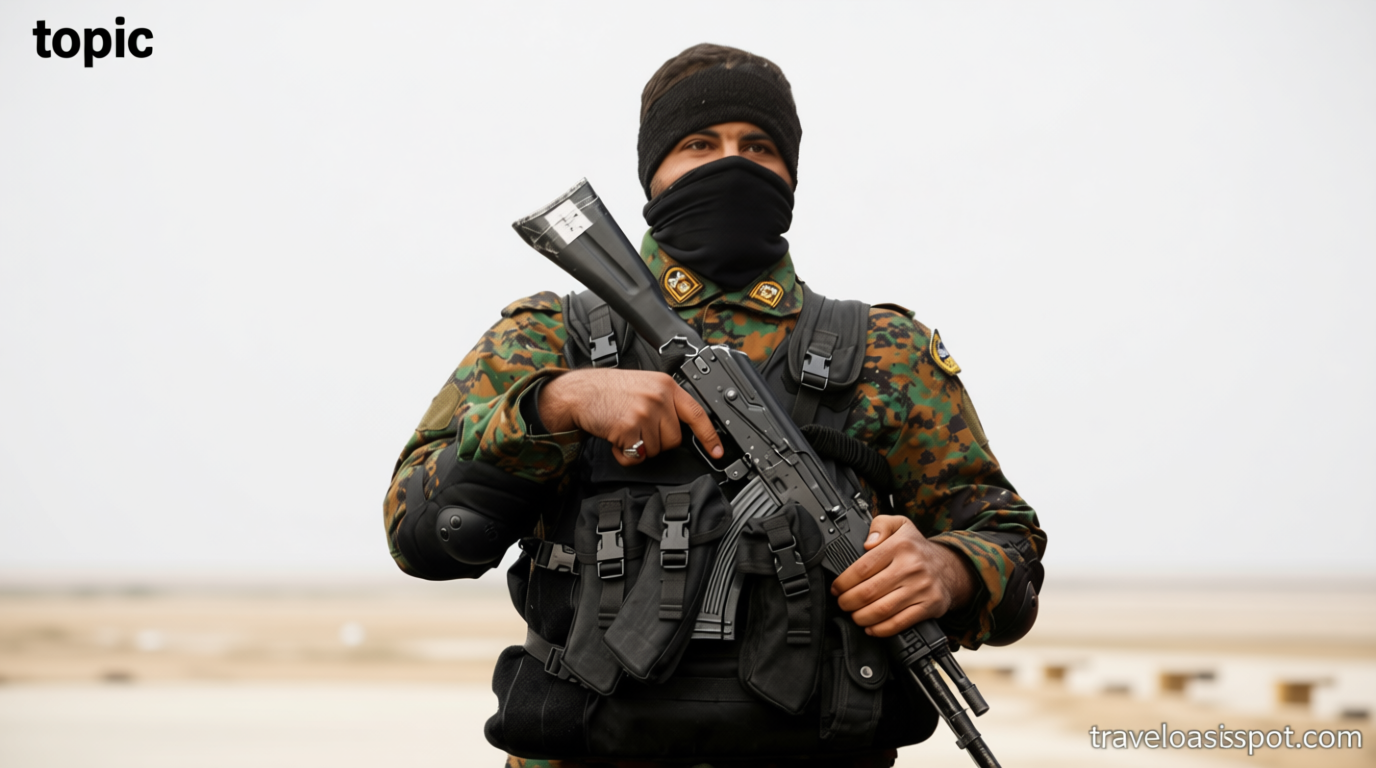
The US-Israeli War on Iran Built on Two Critical Errors Two weeks into the joint operation by Israel and the United States against Iran, the campaign’s foundation appears to rest on two pivotal misjudgments. These errors, rooted in flawed assumptions about Iran’s vulnerability, have reshaped the conflict’s trajectory and outcomes. American Overestimation of Regime Instability The first miscalculation stems from Washington’s belief that Iran’s leadership could be easily dismantled. This assumption, however, overlooks the resilience of the Islamic Republic’s political structure, which has withstood decades of internal and external pressures. Despite the attacks, Iran’s government remains intact, suggesting the U.S. underestimated the resolve of its own allies in the region. “If we had not acted swiftly, Iran’s capacity to threaten Israel and the world would have grown unstoppable,” declared Israeli Prime Minister Benjamin Netanyahu during his initial address following the strikes. Israeli Misjudgment of Hezbollah’s Role The second flaw lies in Tel Aviv’s misreading of Hezbollah’s strategic potential. Israel assumed that the Lebanese militant group would not mount a significant counterattack, yet its response has proven more formidable than anticipated. This oversight has compounded the challenges faced by the coalition, as Iran’s proxies continue to assert influence in the region. “Our aim was to weaken Iran’s ability to endanger Israel, the U.S., and global security. This strike will empower the Iranian people to rise against their regime,” Netanyahu added, framing the operation as a catalyst for regime change. Despite the rhetoric, the reality has been stark. Iran’s nuclear and missile capabilities, central to the war’s justification, have not been permanently crippled. Intelligence assessments reveal the regime’s infrastructure remains operational, with key leaders swiftly replaced to maintain cohesion. A Shift in Strategic Priorities Since the initial strikes, the focus has evolved. While the U.S. and Israel initially framed the conflict as a preventive measure against Iranian aggression, their actions have instead sparked a broader resistance. Iran’s retaliation, including strikes on Gulf states and Israel, has demonstrated its capacity to strike back, undermining the coalition’s assumptions of dominance. Reports indicate that Iran’s leadership, including its supreme leader, Ayatollah Ali Khamenei, has been replaced by his son Mojtaba Khamenei. This succession highlights the regime’s adaptability, further challenging the narrative of its imminent collapse. As the conflict unfolds, it becomes evident that the war’s original goals—regime change and disarmament—have not materialized. Instead, Iran’s response has escalated tensions, threatening to destabilize the Middle East and its energy markets. With Iran’s continued ability to project power, the U.S.-Israel alliance’s success in toppling the regime now seems questionable. The initial belief that their combined military might would secure a decisive victory has been tested, revealing the complexities of geopolitical maneuvering in the region.
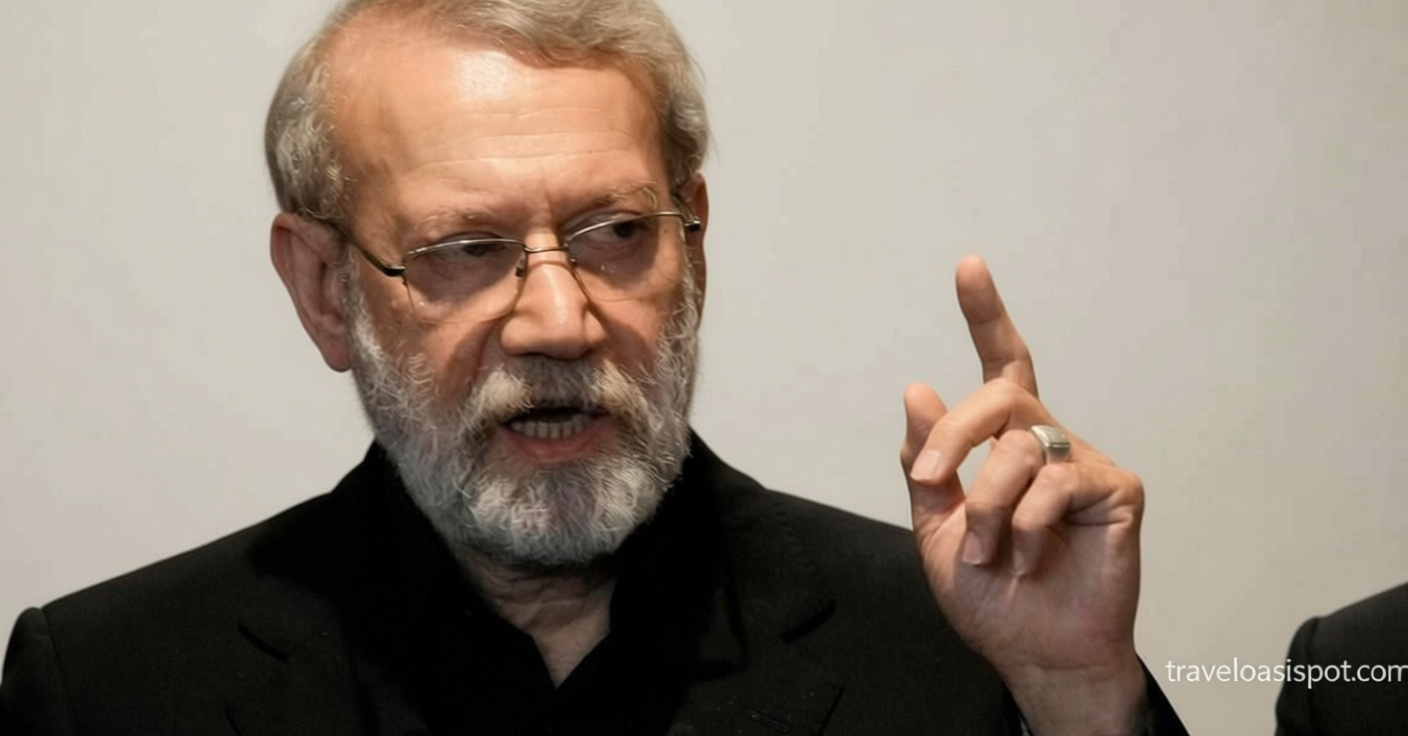
Iranian defence chief who issued sinister warning to Trump is killed in airstrike
Iranian Defence Chief Killed in Airstrike After Issuing Dire Warning to Trump Ali Larijani, a senior Iranian official who warned Donald Trump of potential retaliation for his rhetoric, was killed in an Israeli airstrike last night, as confirmed by Iran’s Defence Ministry. The Israeli military force, known as the IDF, stated they targeted Larijani, alongside another strike that claimed the head of the Basji paramilitary unit. The attack occurred just days after Larijani issued a sharp warning to the former U.S. president. “The nation of Iran is not afraid of your empty threats. Even those bigger than you could not eliminate the Iranian nation. Watch yourselves, or you might be eliminated!” Larijani was involved in the interim leadership council, which oversaw Iran’s transition of power after the passing of Ayatollah Ali Khamenei. The Basji force, under his leadership, has been deployed to quell public unrest within the Islamic Republic. General Gholam Reza Soleimani, a key figure in Iran’s military operations, was reportedly killed on Monday, though the country delayed confirming his death. The U.S. Treasury records Soleimani’s birth year as 1965, and he has faced sanctions from the U.S., European Union, and other nations for his role in suppressing dissent. Mojtaba Khamenei, the eldest son of the late Ayatollah, was announced as Soleimani’s successor last week. However, he was nearly killed in a U.S. airstrike and was allegedly flown to Russia for urgent medical treatment. According to Kuwaiti newspaper Al-Jarida, Khamenei was secretly evacuated to Moscow after being wounded in a bunker strike that killed his wife, mother, father, and son. The report claims he received a critical operation in one of Vladimir Putin’s presidential palaces, with injuries ranging from minor cuts to potential leg loss or a coma. Despite U.S. reports of Soleimani’s death, Khamenei recently released a fiery statement calling for vengeance against the U.S. and its allies, echoing the militant tone of his father’s regime. Iran’s government later affirmed that the new Ayatollah remains alive, contradicting earlier U.S. claims. The country’s official stance aligns with its long-standing rhetoric, emphasizing resilience in the face of external threats. Stay Informed Got a story? Reach out to our news team via email at webnews@metro.co.uk. Share your videos and pictures for potential coverage on our platform. Follow Metro.co.uk on Twitter and Facebook for real-time updates. Subscribe to our daily push alerts to receive news directly on your device. ArrowMORE: Struggling with oily skin? Benefit’s new matte blush might be your go-to solution. Get your favorite puzzles delivered straight to your inbox every day. Track your progress and stay engaged with daily streaks. This site uses reCAPTCHA and the Google Privacy Policy and Terms of Service apply. Your information will be processed in accordance with our Privacy Policy.