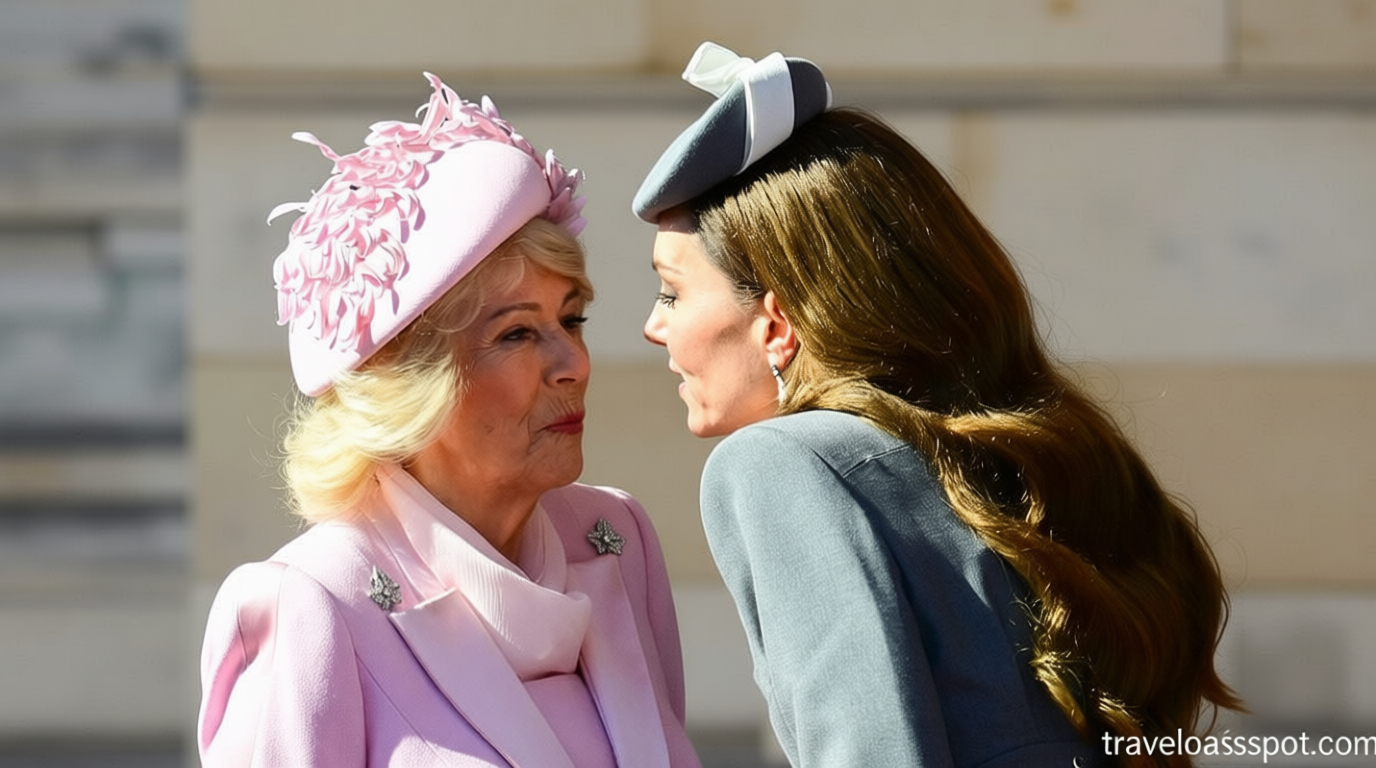
Kate’s secret message to Camilla, Charles’ kind gesture and ‘diplomatic’ jokes about jollof rice: All the moments you missed from the first Nigerian state visit in 37 years During the recent state visit, the royal family’s interactions highlighted a blend of tradition and warmth. The King took the lead in welcoming guests at Windsor, culminating in a dazzling banquet where he delivered a heartfelt toast. Mindful of cultural sensitivities, the event featured arrangements for Muslim attendees observing Ramadan, including a designated prayer space and Iftar setup. A heartfelt exchange and royal camaraderie The visit captured several touching scenes, such as the King’s lighthearted remark on jollof rice while the Princess of Wales performed a graceful curtsy. William and Kate, meanwhile, exchanged quiet laughter over a private joke, with the Prince receiving a warm greeting from his stepmother. One observer noted a sweet moment between Kate and Camilla, with Kate offering a compliment on the First Lady’s attire. According to a lip-reader, the exchange began with a greeting like ‘Good morning, how are you?’ followed by ‘you look beautiful!’ Camilla wore a pink wool crepe dress by Fiona Clare and a pink beret by Philip Treacy, alongside the late Queen Elizabeth II’s Cartier flower clip brooches. A unique royal gesture Following the ceremonial welcome in the Quadrangle, royal analysts remarked on a rare moment involving the King. He extended his hand to President Tinubu as they walked together, a gesture that may have reflected the President’s attentiveness or Charles’s cultural awareness. “The King’s downward glance suggests he was steadying himself on the uneven gravel. It’s possible Tinubu offered his hand to assist, highlighting a positive intent,” explained Inbaal Honigman of HELLO!. In Nigerian culture, men often walk closely and hold hands, a contrast to typical British norms. This subtle moment underscored the King’s diplomatic approach and appreciation for diverse customs. Words of recognition and unity The King’s speech included a memorable phrase, ‘Naija No Dey Carry Last’ – a Nigerian expression celebrating resilience and excellence. He also noted Nigeria’s status as the UK’s largest African export market since January, praising the diaspora as a ‘living bridge’ connecting nations. “The diaspora strengthens our cultures, enhances security, and boosts economic ties,” he stated, emphasizing shared growth and hope. Reflecting on history, the monarch acknowledged past challenges but framed them as lessons for progress. “History is not just a record of what was done to us – it’s a guide for how we move forward together,” he said, honoring those who endured hardship. As the festivities unfolded, the blend of British hospitality and Nigerian warmth created a memorable blend of tradition and camaraderie, offering a glimpse into the personal side of the royal family amidst grandeur.
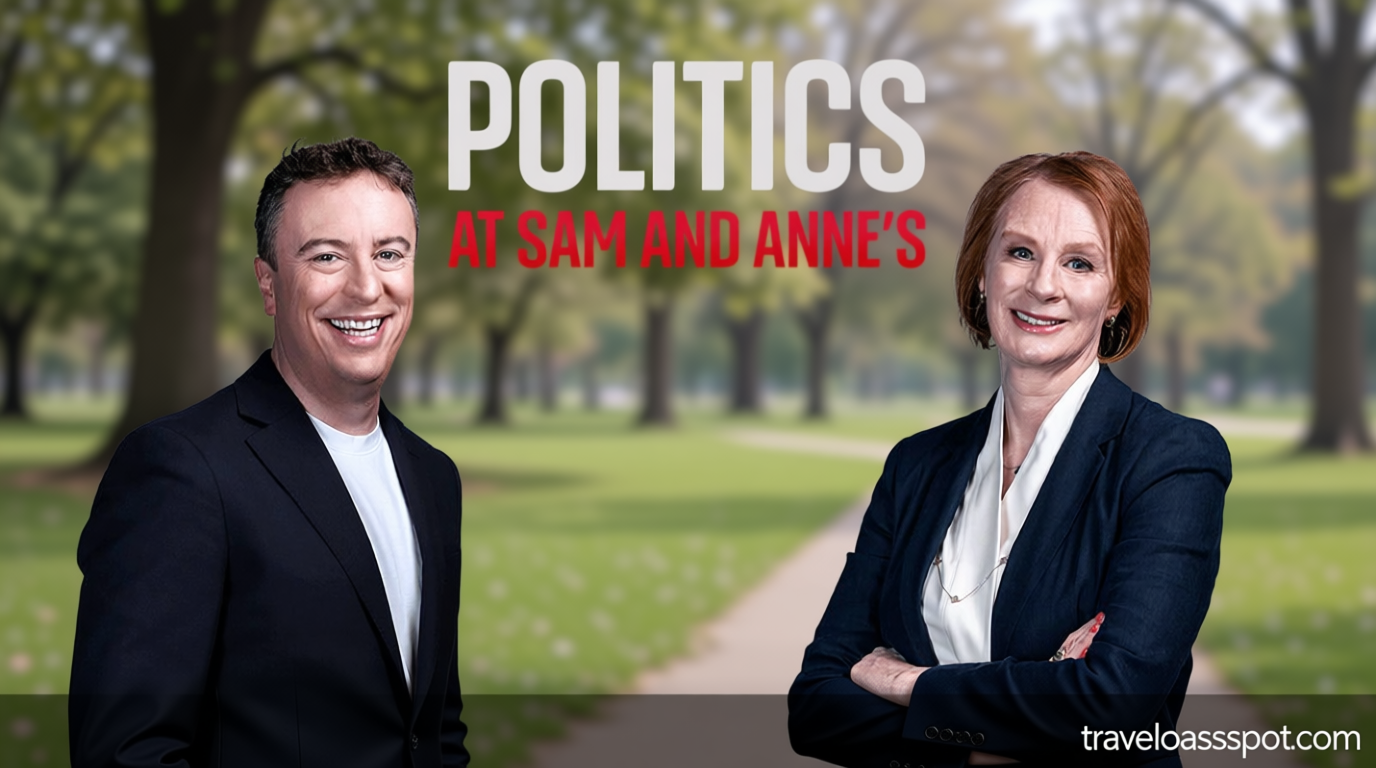
Is Reeves next on the Rayner hit list?
Is Reeves next on the Rayner hit list? 👉Listen to Politics at Sam and Anne’s on your podcast app👈 Political Shifts and Policy Pressures Following a focused critique of Shabana Mahmood’s immigration policies, is Angela Rayner positioning herself to challenge the Starmer administration further? With her allies anticipating a comeback in frontline roles ahead of the May elections, the question arises: could Rachel Reeves become the next focal point of Rayner’s strategy? And does the Prime Minister genuinely rely on this former collaborator’s backing? Steel Tariffs and Economic Strategy Meanwhile, the UK government has announced a 50% import tax on steel products, aiming to bolster domestic industries. But what underlying objectives drive this economic maneuver? Analysts speculate it may be a bid to secure trade advantages or address supply chain vulnerabilities. Public Perception and Accountability Additionally, the debate over the policing system’s effectiveness continues. Survey data reveals mixed public sentiment, yet the minister overseeing the issue faces scrutiny over perceived immunity from criticism. As the political landscape evolves, these interconnected challenges test the resilience of leadership and public trust.
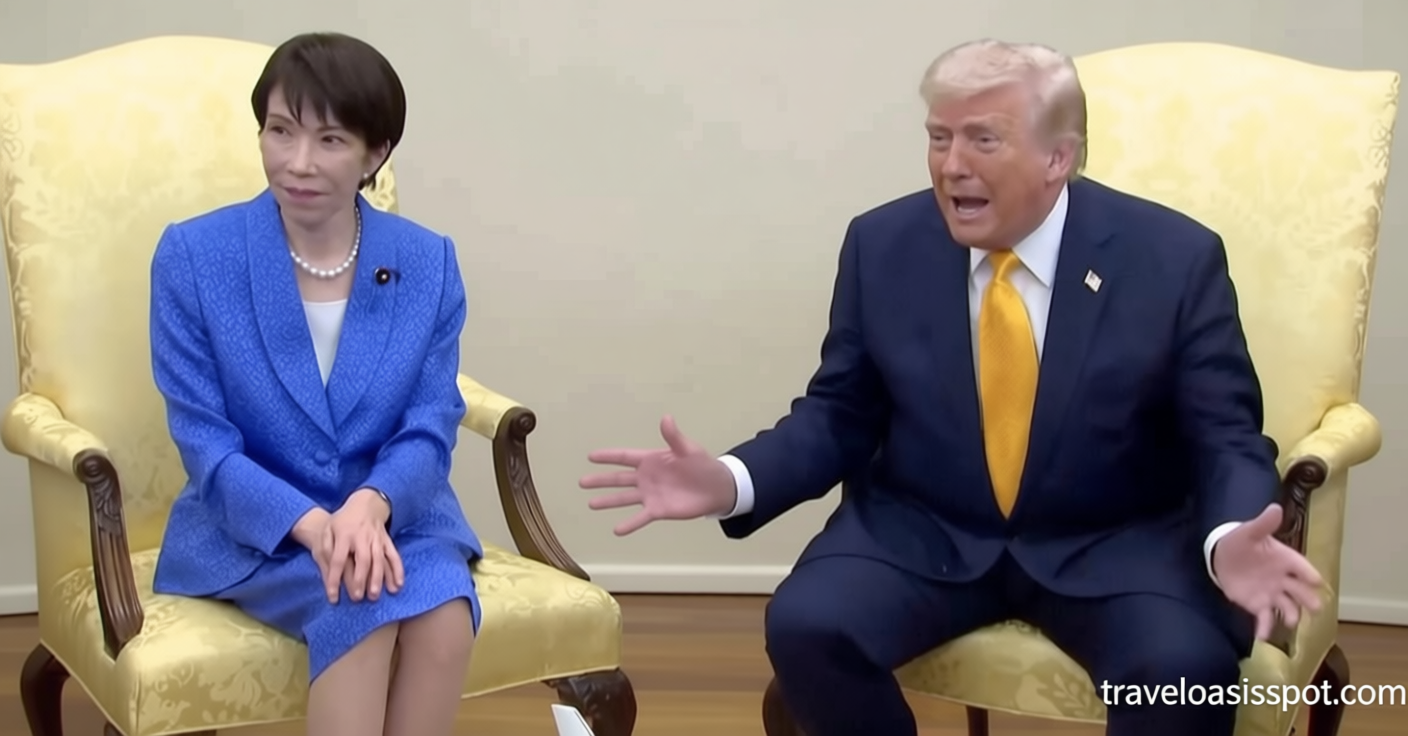
Trump says Japan ‘knows about surprises’ in excruciating Pearl Harbour gaffe
Trump says Japan ‘knows about surprises’ in excruciating Pearl Harbour gaffe When the US President Donald Trump inadvertently referenced the 1941 Pearl Harbor attack during a tense meeting with Japanese officials, it sparked a wave of awkward reactions from journalists in the Oval Office. The gaffe, which highlighted his lack of historical awareness, left many in the room visibly uncomfortable. Trump’s comment came during a discussion about the recent US and Israeli military actions against Iran. When asked about the decision to launch strikes without prior warning, he responded with a blend of confidence and bluntness: “Well, one thing, you don’t want to signal too much. You know, when we go in, we went in very hard, and we didn’t tell anybody about it because we wanted… surprise.” His remark quickly shifted into a lighthearted jab at Japan, prompting him to ask, “Who knows better about surprise than Japan?” The question drew nervous laughter from his Japanese counterpart, Sanae Takaichi, who had recently secured a significant electoral win in her homeland. The President then followed up with a claim that the surprise attack had “probably knocked out 50% of what we did and much more than we anticipated doing.” “I firmly believe that it is only you, Donald, who can achieve peace across the world,” Takaichi stated during a joint press conference. “I am ready to reach out to many of the partners in the international community to achieve our objective together.” The historical context of Trump’s remark lies in the infamous Japanese assault on Pearl Harbor, which occurred on December 7, 1941. The attack, which killed 2,390 Americans, led to the US declaring war on Japan the following day. At the time, President Franklin D. Roosevelt described the event as “a date which will live in infamy.” Since the onset of the conflict with Iran, relations between the US and Japan have grown more strained. Trump had previously urged Japan and other allies to assist in safeguarding the Strait of Hormuz, a critical waterway for oil shipments. Despite this call, the request was met with a muted response, leading the President to assert publicly that the US “NOT NEED THE HELP OF ANYONE!” In a collaborative statement alongside the UK, France, Germany, Italy, and the Netherlands, Japan expressed its commitment to supporting the safe passage of vessels through the strait. The incident, however, also underscored the growing challenges in the region. At least 16 US military aircraft have been destroyed since the war began, with three F-15s shot down by a Kuwait pilot and a KC-135 tanker lost in a refueling accident. While the focus of the meeting was on current geopolitical tensions, Trump’s offhand remark about Pearl Harbor became a lasting embarrassment. The comment not only revealed his ignorance of the attack’s timing but also drew sharp criticism from those present, who struggled to contain their groans as the President’s blunder unfolded. This site is protected by reCAPTCHA and the Google Privacy Policy and Terms of Service apply. Your information will be used in line with our Privacy Policy