Syria walks back Damascus alcohol ban after outcry from residents Syrian authorities have reversed a proposed alcohol ban in Damascus following public backlash. The initial decree, issued on Monday, mandated the prohibition of alcoholic beverages in restaurants and nightclubs citywide, with exceptions for Christian neighborhoods. This decision sparked immediate protests, prompting the governorate to issue a clarification that softened the restrictions. Alcohol Restrictions and Christian Neighbourhoods The directive referenced “many” complaints from locals, claiming the ban aimed to “eliminate practices contrary to public morals.” However, Sunday’s protests led the government to acknowledge the decision was miscommunicated. A statement apologized to the Christian communities in Bab Touma, Qassaa, and Bab Sharqi, highlighting their cultural significance to Damascus. “The Damascus Governorate apologises to our people in Bab Touma, Qassaa and Bab Sharqi for the misunderstanding that arose from the decision, which was circulated inappropriately,” the statement said. The revised policy allows alcohol sales for tourism, including in hotels and designated venues. This adjustment aims to address concerns that the original ban was seen as sectarian, potentially alienating minorities. Context of the Transitional Government Since removing Bashar al-Assad in December 2024, the transitional government under President Ahmed al-Sharaa has maintained a relatively relaxed approach to social norms. Yet, recent measures such as a January ban on female public sector employees wearing makeup and mandatory full-body swimsuits on beaches have raised questions about shifting priorities. Concerns Over Social Policies While most Syrians are conservative Sunni Muslims who avoid alcohol for religious reasons, secular Sunnis and other minorities view the ban as an encroachment on civil freedoms. The Bab Touma neighborhood protest highlighted broader grievances, with demonstrators—both Muslim and Christian—arguing the policy was “sectarian” and risked community unity. “Restricting the sale of alcohol to predominantly Christian areas could make these neighborhoods direct targets for terrorist attacks,” a joint letter from Christian groups stated. The concern stems from historical targeting of Christians in Syria, with critics warning such policies might unintentionally expose specific groups to greater risks. Elections and Governance Challenges October’s parliamentary elections underscored the transitional government’s challenges. President al-Sharaa appointed a third of the seats, while the remaining were selected by local committees dominated by state appointees. This process left 32 seats in Sweida province and the Kurdish-held northeast vacant, drawing criticism from pro-democracy advocates. Under the temporary constitution adopted in March, the parliament will hold legislative power until a permanent one is ratified. The five-year transition has yet to resolve tensions, as popular elections remain elusive in the aftermath of Syria’s 13-year conflict.
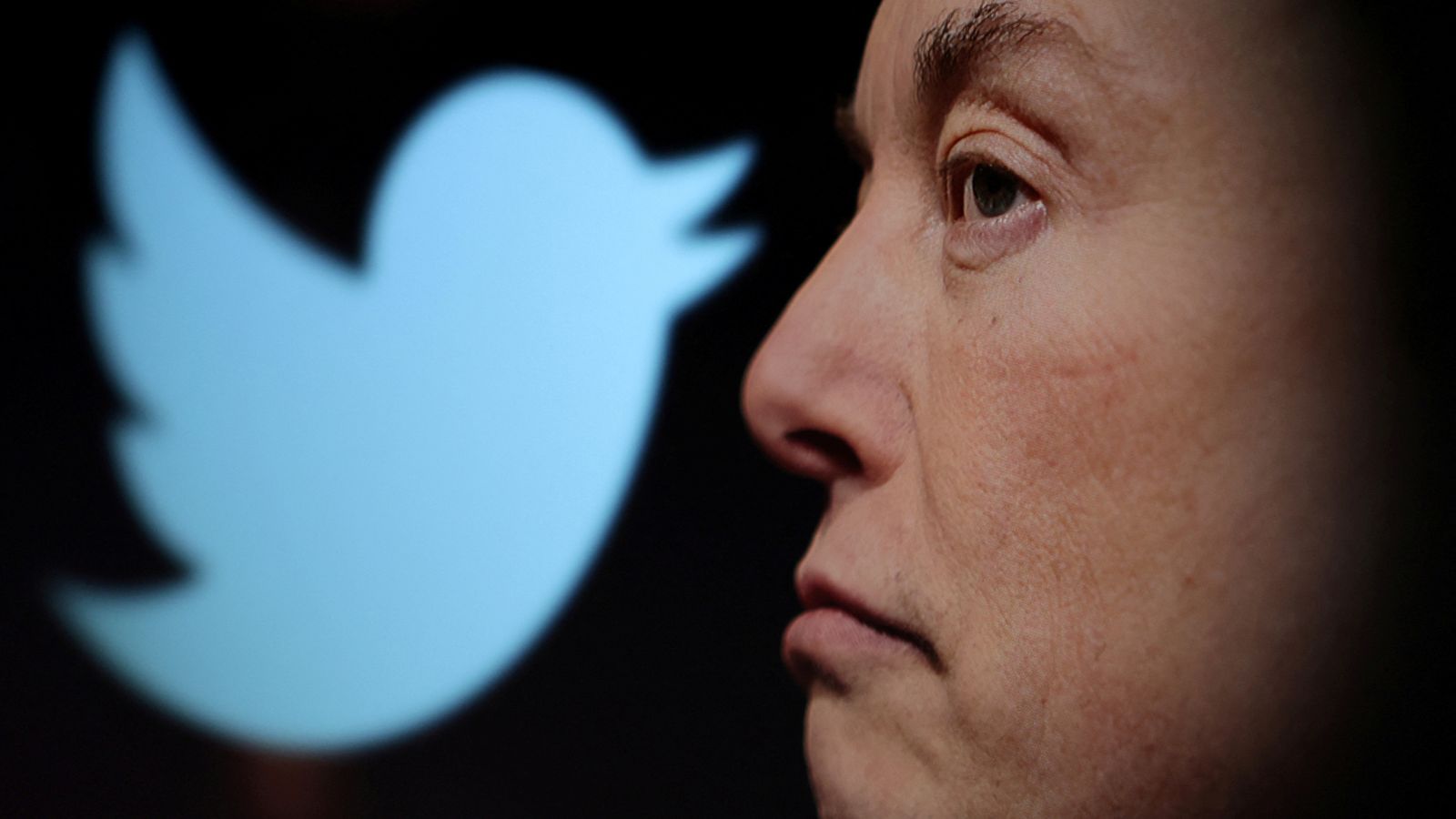
Elon Musk misled investors during Twitter takeover, US jury finds
Elon Musk Found to Mislead Investors in Twitter Takeover A U.S. jury concluded that Elon Musk intentionally manipulated Twitter’s stock price in the months prior to his $44 billion acquisition of the social media platform. The decision came from a civil trial in San Francisco, where Musk faced accusations of deceiving shareholders during the takeover process. Musk was not entirely exonerated. While he avoided liability for certain fraud claims, the jury determined he misled investors by downplaying the value of Twitter through strategic statements. The case revolved around a class-action lawsuit initiated before Musk assumed control, which he later rebranded as X. Key Allegations and Testimony Jurors evaluated whether two specific posts—along with comments on a podcast—constituted intentional deception. These statements, made in May 2022, included Musk’s claim that the takeover could not proceed unless Twitter’s CEO proved bot accounts accounted for less than 5% of the platform’s users. “He trashed the company. Trashed the executives. And tanked the stock,” said Mark Molumphy, the shareholders’ lawyer, during his closing remarks. Musk’s legal team argued that his concerns about bots were genuine and that his public criticism of the platform did not equate to fraudulent intent. They emphasized that his decision to step back from the deal was based on Twitter’s alleged misrepresentation of fake accounts. The company pursued legal action to enforce the original agreement after Musk withdrew. Eventually, he agreed to fulfill his initial commitment, completing the purchase in October 2022. Although the exact damage amount remains unspecified, it is expected to reach billions of dollars, impacting numerous institutional investors. Musk’s net worth, currently around $814 billion, is largely tied to Tesla stock, though the verdict may affect his financial standing. Additional Related Stories Trump’s wealth surged in a recent update to the global billionaire list, highlighting his growing financial influence. Meanwhile, Grok faced criticism for its posts on fatal football incidents, described as “sickening” by a government official. The UK has also connected its first mobile network to Elon Musk’s Starlink satellites, expanding the satellite internet service’s reach. These developments underscore Musk’s expanding impact across industries, even as legal challenges persist. Separately, Musk is engaged in discussions to resolve a U.S. Securities and Exchange Commission lawsuit. The agency alleges he delayed disclosing early Twitter purchases to capitalize on lower stock prices before investors became aware of his actions. Follow Sky News for more updates on breaking stories, including coverage of UK satellite connections and investigations into Grok’s content policies.
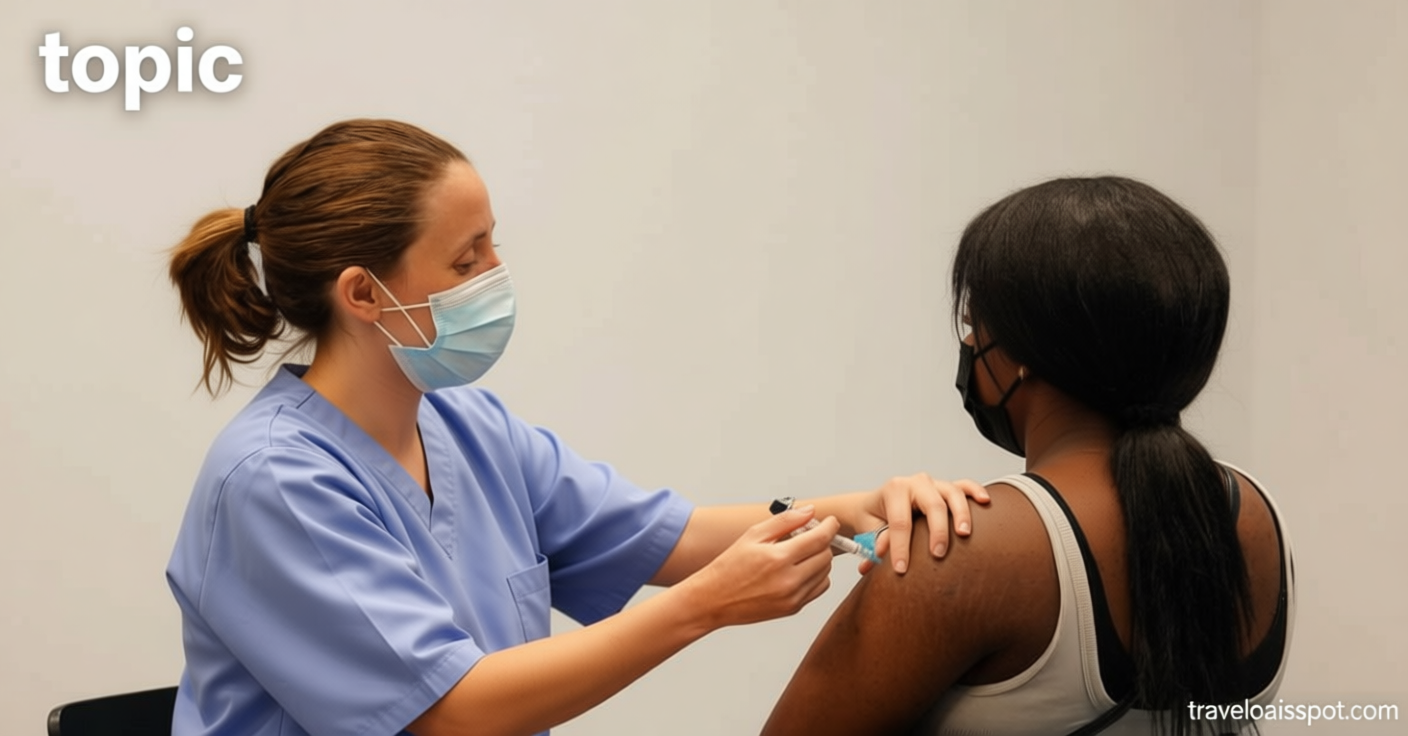
Meningitis outbreak spreads to second university in Kent after vaccine supplies dwindle
Meningitis Outbreak Spreads to Second University in Kent as Vaccine Supplies Decline A second Kent university has reported a meningitis case, following the designation of the outbreak as a ‘super-spreader’ event. The University of Kent, in Canterbury, has been administering preventative antibiotics to thousands of students to slow the spread of the infection, which has claimed two lives so far. CCCU Confirms New Illness in Student Canterbury Christ Church University (CCCU) has confirmed a student has fallen sick with the disease. Rama Thirunamachandran, CCCU’s vice-chancellor and principal professor, stated: “The UK Health Security Agency has confirmed one case of meningococcal disease involving a CCCU student. We have contacted the individual for direct support. This case is connected to the original cluster traced to Club Chemistry.” Pharmacies Face Crisis Amid High Demand Private stocks of meningitis B vaccines are nearly depleted, according to the National Pharmacy Association. Boots has implemented a waiting queue for its vaccination service, while Superdrug reports a backlog due to a national shortage. The pharmacy’s booking page is currently offline, with a notice explaining: “We’ll be back shortly. Demand for the Meningitis B Vaccination Service is high, and we’re experiencing technical issues. We’re working to restore service as quickly as possible.” Students at the University of Kent’s Canterbury campus will receive the menB vaccine starting today. The outbreak has been elevated to a national incident, with more cases anticipated as symptoms may take two to 14 days to manifest. Experts Call the Situation Unprecedented Health officials describe the outbreak as extraordinary, noting the rapid rise in cases within a brief timeframe. UKHSA chief executive Susan Hopkins remarked: “This appears to be a super-spreader event, with continued transmission in university dormitories. There were likely gatherings around this period, leading to significant social interaction. While I can’t confirm the origin of the infection or its spread within the group, this level of cases in such a short time is the most I’ve seen in my 35-year career.” GPs across the UK have been advised to prescribe antibiotics to anyone who attended Club Chemistry in Canterbury between March 5-7. The nightclub hosted a freshers’ event attended by sixth-form students, which is believed to be the source of the infections. The NHS initially classified the situation as a major regional incident but has now expanded its response to a national scale. Vaccine Shortages and Public Health Warnings Health officials emphasize that people should not delay taking prescribed antibiotics. A single dose of Ciprofloxacin can reduce the risk of meningitis in a household by up to 90%. Six confirmed cases have been identified as group B meningococcal disease. One individual in Kent was linked to a hospital in London, where they had no community contacts. A baby girl, infected with the same strain, is undergoing surgery but is not yet connected to the Kent outbreak. Olivier Picard, chairman of the National Pharmacy Association, noted on BBC Radio 4’s Today programme: “Unfortunately, our private supply of meningitis B vaccines has dwindled. Most distributors and wholesalers have no stock left, and any remaining vaccines are taking time to reach our stores. There’s no set date for restocking.” With around 5,000 students in Kent university residences set to receive the menB vaccine over the next few days, the crisis underscores the urgency of addressing the shortage. Schools in the region have also joined the effort after confirming four related cases. For the video, ensure JavaScript is enabled and your browser supports HTML5.