Trump Extends Deadline for Iran to Open Strait of Hormuz Donald Trump, the U.S. president, has decided to grant Iran an additional 10 days to resume operations in the Strait of Hormuz, according to reports. In a post on his Truth Social platform, he stated that negotiations remain active, countering claims from the media that the talks were faltering. “Despite misleading statements from the Fake News Media and others, the discussions are moving forward smoothly,” he wrote. Earlier in the week, Trump had set a 48-hour ultimatum for Iran to reopen the vital waterway, warning that failure to comply would result in the destruction of the country’s energy infrastructure. However, during a Cabinet meeting on Thursday, he dismissed reports of his desperation, insisting that Tehran was eager to reach a deal. “I’m not in a rush,” he said, adding that the Islamic Republic’s reluctance was a strategic move. Signs of Negotiation Readiness Trump’s chief negotiator, Steve Witkoff, revealed that Washington had already shared a 15-point “action list” with Tehran via Pakistani officials. “There are clear indications that Iran is prepared to discuss an end to hostilities,” Witkoff noted, marking the first public confirmation of the initiative. He also hinted that the U.S. aimed to persuade Iran that this moment represented a turning point with no viable alternatives but continued conflict. Meanwhile, Israeli opposition leader Yair Lapid raised concerns about the war’s impact, stating that the government was overextending the military. “The IDF is stretched to its limits and beyond,” he warned, echoing the sentiments of military chief Lieutenant General Eyal Zamir, who had cautioned earlier that the nation was entering a multi-front conflict without a defined strategy. Iranian Response and Demands In a televised statement, an Iranian news agency reported that Tehran had formally submitted its response to the U.S. proposal the previous night. “Our reply calls for an end to attacks by the U.S. and Israel on Iran, as well as on groups supported by Tehran in the region,” the report said. It also emphasized that Iran sought war reparations and the preservation of its sovereignty over the Strait of Hormuz, conditions that surpassed the initial American proposal. Trump also hinted at potential U.S. control of Iran’s oil reserves, drawing a parallel to the arrangement with Venezuela following the ousting of Nicolás Maduro. “Taking charge of their oil is an option we’re considering,” he said, while dismissing claims of his eagerness to secure a deal. “I don’t care if they want to make one—I’m not desperate.”
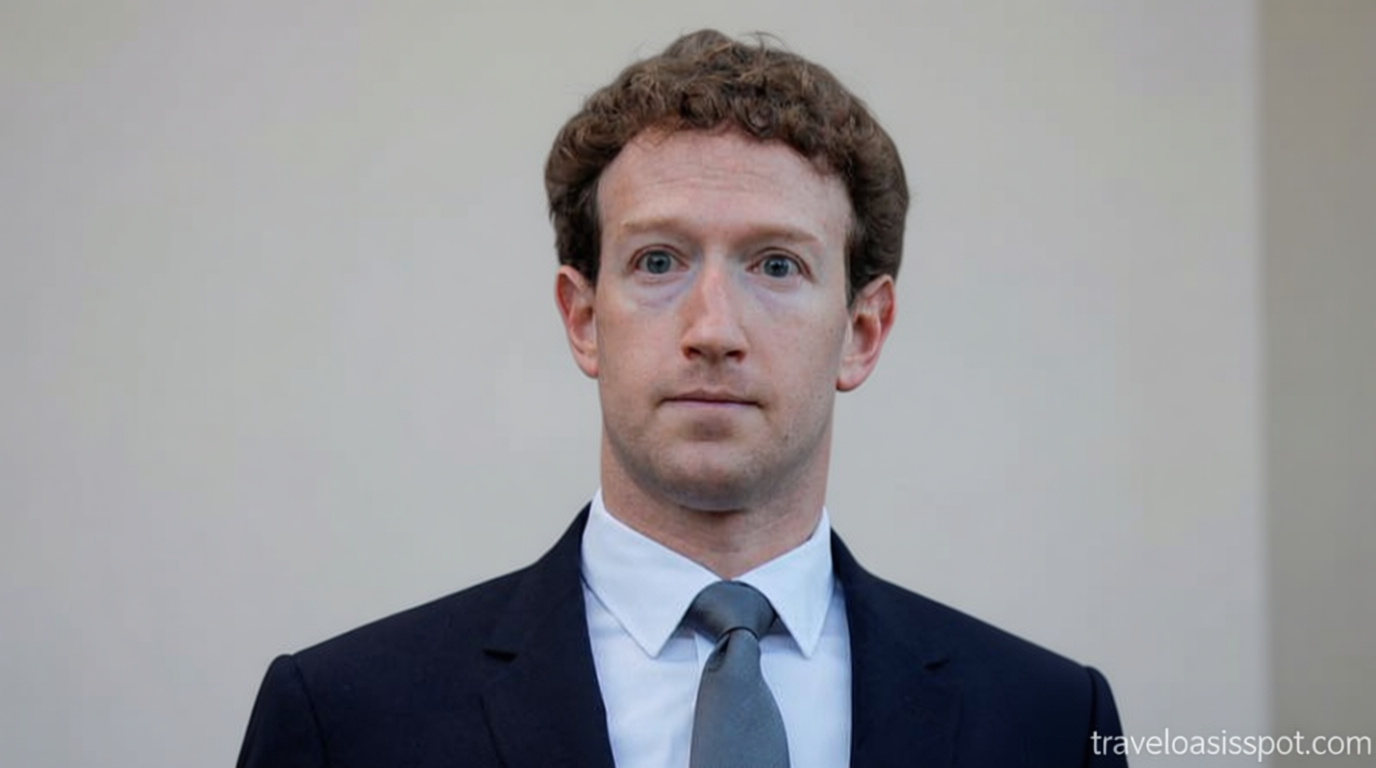
Big Tech critics hail ‘Big Tobacco moment’ in landmark social media verdict
Big Tech critics hail ‘Big Tobacco moment’ in landmark social media verdict Parents, child safety advocates, and legislators emphasized that the liability ruling marked a long-awaited reckoning for tech giants like Meta and Google. After a three-year legal battle, a Los Angeles jury found the companies responsible for addictive design features that harm young users. This decision has been dubbed a ‘Big Tobacco moment’ by critics, drawing parallels to tobacco companies’ historical accountability for health consequences. Advocates Celebrate Legal Victory Sarah Gardner, CEO of Heat Initiative, described the verdict as a turning point for families affected by social media harms. “Today’s ruling is a major step toward truth, justice, and accountability,” she said, calling it a pivotal moment for holding technology companies to standard. Alvaro Bedoya, a former FTC commissioner, noted that the jury’s action filled a gap Congress had failed to address. “Regular people have done what lawmakers couldn’t,” he wrote, highlighting the significance of the decision. “Social media’s Big Tobacco moment has arrived. The harm these companies intentionally cause children has been proven in a court of law,” Gardner argued. Plaintiff’s Claims and Company Responses The trial focused on allegations that Meta and Google engineered their platforms to trap young users in cycles of compulsive engagement, harming their mental health. Kaley, the plaintiff known as KGM, claimed her anxiety, body dysmorphia, and suicidal thoughts were linked to excessive use of social media. Despite implementing safety tools for younger users, both companies denied direct responsibility for teen mental health issues. “We respectfully disagree with the verdict and will appeal. Teen mental health is complex and cannot be attributed to a single app,” Meta stated in its response. “YouTube is a responsibly built streaming platform, not a social media site,” Google’s spokesperson José Castañeda said, defending the company’s stance. Legislative Momentum Gained With the verdict as a catalyst, advocates are pushing for stronger laws to safeguard minors online. The Kids Online Safety Act, which has languished in Congress for years, now faces renewed urgency. Republican Sen. Marsha Blackburn, a supporter of the bill, called the ruling a sign that legislative action is needed. “It’s time for Congress to enshrine protections for American families,” she said. “Big Tech’s Big Tobacco moment has arrived,” Democratic Sen. Ed Markey added. “We cannot rely on the courthouse alone—Congress must impose real guardrails on these platforms.” Parents for Safe Online Spaces, a group that has lobbied for the Kids Online Safety Act, hailed the decision as a breakthrough. “Finally, a jury said, enough,” the organization stated. “Social media companies can no longer ignore the health risks they create for their youngest users.” As the legal landscape shifts, the verdict underscores growing pressure on tech firms to address the impact of their products. Jonathan Haidt, author of “The Anxious Generation,” said the outcome represents a new era in protecting children from online dangers. “This is just the beginning,” he said. “Thousands of cases will follow, holding Meta, Snap, TikTok, and YouTube to account.”
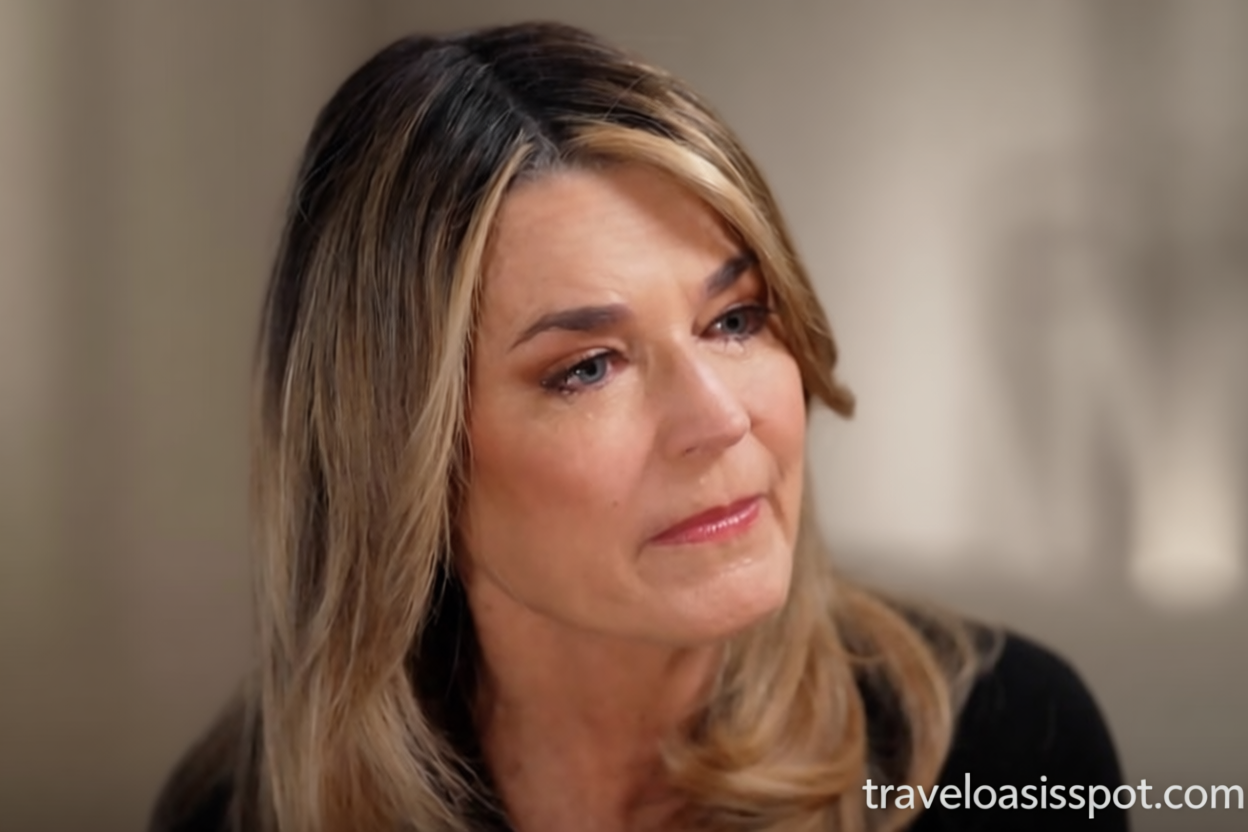
Savannah Guthrie feared her mother may have been targeted because of her fame
Savannah Guthrie’s Anxiety Over Mother’s Disappearance In a heartfelt conversation with Hoda Kotb, Savannah Guthrie expressed the deep fear and anguish she has endured since her mother, Nancy Guthrie, vanished from her home near Tucson, Arizona. The 84-year-old woman was reported missing on February 1 after failing to join a virtual church service at a friend’s residence. Authorities noted she was last seen the previous evening, around 9:45 p.m., following a meal at her daughter Annie Guthrie’s home. Uncertainty and Emotional Toll Savannah voiced concerns that her mother’s disappearance might be linked to her own public profile. “I don’t know if it’s because she’s my mom and someone thought, ‘Oh, that lady has money. We can make a quick buck,’ ” she shared, reflecting on the possibility that her fame as a “TODAY” co-anchor could have played a role. “But we don’t know. That’s what’s unbearable—thinking I brought this to her bedside.” “I’m so sorry, Mommy. I’m so sorry. I’m sorry to my sister and my brother and my kids and my nephew and Tommy, my brother-in-law,” Savannah said, expressing her grief. Family’s Immediate Response When the family first realized Nancy was missing, they recognized something more serious than a simple absence. “Annie and Tommy knew from the start this wasn’t the usual case where someone just walks away,” Savannah explained. Her mother, who suffers from chronic back pain, was unlikely to have wandered off. “On a good day, she could reach the mailbox, but most days, she couldn’t move that far.” Additional clues at the scene—such as open doors and blood on the doorstep—raised alarms. “The Ring camera had been yanked off, and the doors were propped open,” Savannah added, emphasizing the unsettling nature of the situation. Investigation and Ransom Notes As the search intensified, state and federal agencies joined the effort, conducting land searches and seeking video footage from neighbors. Savannah noted that while many ransom notes were received, she believes two are genuine. “There are a lot of different notes, and I think most are not real,” she said. “But I tend to think the ones we responded to are legitimate.” Hours after learning of her mother’s disappearance, Savannah boarded a plane to Tucson. “It’s been weeks since then, and the investigation is still in full swing,” she stated. The family also released a tearful Instagram video, pleading for clues and offering a $1 million reward for information leading to Nancy’s safe return. “How is it possible that someone would take my mother, knowing she lives in pain and can’t even walk a few steps? It feels surreal,” Savannah admitted, capturing the emotional weight of the situation. Brother’s Insight and Family’s Doubts Savannah’s brother, described by her as “brilliant” and with a military background, quickly grasped the severity of the situation. “Even on the phone, he knew,” she recalled. “He said, ‘I think she’s been kidnapped for ransom.’ I asked, ‘Why? What?’” Though initially skeptical, Savannah couldn’t shake the idea that her own visibility might have contributed to the risk. “It sounds so dumb, but I didn’t want to believe it,” she said. “I asked, ‘Do you think because of me?’ And he replied, ‘I’m sorry, sweetie, but maybe.’” The case remains a mystery, with investigators yet to confirm a suspect or motive. Meanwhile, the Guthrie family continues to search for answers, grappling with the uncertainty that has gripped them since February 1. Savannah’s first interview since the incident aired on “TODAY,” offering a glimpse into her emotional journey.

Trump extends deadline for Iran to open strait of Hormuz by 10 days
Trump Grants Iran 10-Day Extension to Open Hormuz Strait President Donald Trump announced a revised timeline, granting Iran an additional 10 days to secure the strait of Hormuz, pushing the deadline to 6 April. This adjustment followed his claim that negotiations were progressing smoothly, as shared in a Thursday social media post. “As per the Iranian Government’s request, this statement confirms I am suspending the destruction of energy facilities for 10 days, until Monday, April 6, 2026, at 8 P.M. Eastern Time,” he stated on Truth Social. Trump emphasized that discussions were advancing, dismissing negative reports from media outlets as misleading. Later, during an interview with Fox News, Trump noted: “I allowed them a 10-day window, but they requested seven.” He reiterated his belief in a strategic victory, asserting: “In a way, we’ve already secured triumph.” The extension came after intensified military actions by the U.S. and Israel, including strikes on Iran’s naval and military targets, which had prompted Tehran to threaten broader attacks on energy infrastructure. Escalating Strikes and Diplomatic Shifts Israeli forces targeted Bandar Abbas, the Iranian port, eliminating key figures like Alireza Tangsiri, the Revolutionary Guards’ naval commander. Simultaneously, air raids near Isfahan, a critical military hub, were reported. These attacks followed the June 12-day conflict, during which U.S. strikes damaged a nuclear site. Despite these efforts, Iran maintained its stance, emphasizing its resolve to retaliate. Trump’s new ultimatum was part of a series of remarks made in Washington and on social media, where he criticized NATO allies and highlighted Iran’s “great negotiators” and “lousy fighters.” He claimed that Tehran had permitted 10 oil tankers, including some with Pakistani flags, to pass through Hormuz as a sign of goodwill. Adm. Brad Cooper, head of U.S. Central Command, noted that the killing of Tangsiri signaled a “path toward irreversible decline” for Iran’s navy, stating the U.S. would continue targeting naval assets. Iran’s Counterattack and Accusations of Bias Iran’s foreign minister, Abbas Araghchi, criticized the U.S. for “double standards,” accusing it of condemning Iran’s defense while supporting Israel’s actions in Gaza. He tweeted: “The U.S. backed Israel’s Gaza blockade… yet condemns Iran for defending itself in the Strait of Hormuz. Double standard: Israel’s crimes are OK while Iran’s defense against aggressors is condemned.” Meanwhile, Iran launched retaliatory strikes across the Middle East, with missile attacks hitting Tel Aviv, Modi’in, and Jerusalem. Israel’s air defenses intercepted these projectiles, while similar actions were reported in the Gulf. The war, which began with an Israeli airstrike that killed Ayatollah Ali Khamenei, has led to the deaths of numerous Iranian officials, including political leader Ali Larijani and the new supreme leader, Mojtaba Khamenei, who was reportedly injured in the attack that killed his father. Pakistan’s Mediation and Target Adjustments As tensions rose, Pakistan emerged as a key mediator, persuading the U.S. to protect certain figures from Israeli strikes. Israel Katz, the defense minister, confirmed that officials such as Abbas Araghchi and Mohammad Bagher Ghalibaf, Iran’s parliament speaker, had been removed from its hitlist. Ghalibaf is described as the “top man” in Tehran’s leadership, now less vulnerable to direct attacks.

Budget Beach Travel: Top Tips to Save Money on Your Coastal Escape
Plan Ahead for Maximum Savings When planning a budget beach travel tips getaway, timing is everything. Researching the best times to visit your chosen coastal destination can significantly cut costs—avoiding peak season when prices for flights, accommodations, and activities soar. For example, visiting beaches in late spring or early fall often means lower rates and fewer crowds. Additionally, booking flights and accommodations well in advance ensures you secure the best deals, especially for popular beach spots. By setting a realistic budget and prioritizing what matters most, you can avoid overspending while still enjoying a memorable trip. Choose Affordable Transportation Options Transportation costs can eat into your budget, but there are smart ways to save. Consider flying into nearby airports with cheaper fares or using budget airlines that offer low-cost tickets for destinations like Bali, Florida, or the Maldives. Once on-site, opt for public transportation such as buses, trams, or shared shuttles rather than expensive taxi services. If driving is an option, renting a car from a local agency instead of an international one can also reduce expenses. Lastly, walking or biking to nearby beaches eliminates the need for additional travel costs, making it a budget beach travel tips favorite for eco-conscious travelers. Find Budget-Friendly Accommodation Staying in affordable accommodations is a key component of any budget beach travel tips plan. Hostels, guesthouses, and budget hotels often provide clean, safe, and comfortable lodging at a fraction of the price of luxury resorts. Use booking platforms like Booking.com, Hostelworld, or Airbnb to compare prices and read reviews, but don’t forget to check local listings for hidden gems. For example, a cozy seaside cabin rented through a local marketplace might be cheaper than a standard hotel. Plus, consider staying in a nearby town or village and commuting to the beach, which can save money on accommodation while offering a more authentic experience. Optimize Your Activities and Experiences Many coastal attractions are free or low-cost, making them perfect for budget beach travel tips. Explore local beaches, nature reserves, or historical sites without paying admission fees. Join free walking tours or beach clean-ups to experience the culture and environment of your destination while saving money. Also, plan activities during off-peak hours, such as visiting attractions early in the morning or late in the evening, when prices for guided tours and entry tickets might be lower. Don’t forget to check for discounts or special offers—some beaches have free access during certain days, and local events often provide discounted entry for residents. Save on Food and Dining Eating out can be a major expense, so plan your meals wisely. Visit local markets to buy fresh produce, seafood, and snacks at lower prices than tourist areas. Prepare some meals in your accommodation or choose budget-friendly eateries that serve regional dishes. Avoid tourist traps by asking locals for recommendations on affordable dining spots. For instance, a small family-run restaurant might offer delicious meals for less than a chain café. Pack snacks and drinks for beach days to avoid overpaying for basic essentials, and stay hydrated with cheap bottled water instead of buying expensive drinks at the shore. Pack Smart to Reduce Costs Packing efficiently can save money on luggage fees and keep your trip stress-free. Bring only the essentials—lightweight clothing for warm climates, a reusable water bottle, and a portable charger to avoid buying expensive electronics. Pack a few versatile outfits to minimize the need for multiple purchases, and choose durable, washable items to reduce the chance of needing replacements. Don’t forget to pack sunscreen, a beach towel, and a hat, as these are must-haves for a coastal escape. Lastly, check airline baggage policies to avoid extra fees for oversized luggage, and consider using a backpack instead of a suitcase for easier navigation. Why Planning Is Key to Successful Budget Travel A well-structured budget beach travel tips plan ensures you make the most of your money while enjoying all the perks of a coastal vacation. By combining smart budgeting with practical strategies, you can save on transportation, accommodation, and activities without compromising on quality or comfort. For instance, booking flights early and choosing affordable lodging options can free up funds for spontaneous adventures or local experiences. Remember, the goal of budget beach travel tips is not just to reduce costs but to create a meaningful and enjoyable trip. With a bit of preparation, you can turn your coastal dream into a reality without breaking the bank. How to Save on Flights for Beach Vacations Flights are often the largest expense in a beach trip, but there are ways to reduce this. Use fare comparison tools like Google Flights or Skyscanner to find the cheapest options, and be flexible with your travel dates to take advantage of off-peak pricing. Consider flying into smaller regional airports, which may have lower fares and allow you to use local transportation instead of expensive transfers. Signing up for airline newsletters or apps can also alert you to last-minute deals and promotions. Lastly, look for round-trip tickets or multi-city routes that might offer better savings than one-way flights. The Benefits of Staying in Local Neighborhoods Choosing to stay in local neighborhoods near the beach can lead to a more authentic and affordable experience. These areas often have lower rental prices compared to tourist-heavy zones, and you’ll be closer to the action without the hassle of long commutes. Plus, living like a local means easier access to hidden restaurants, markets, and cultural events that are free or inexpensive. You might even meet fellow travelers or locals who can share tips on the best beaches and attractions. Staying in a neighborhood also reduces the risk of overspending on overpriced tourist amenities, making it a smart choice for budget beach travel tips. How to Make the Most of Your Coastal Getaway Maximizing your budget beach travel tips means being creative with your spending. For example, instead of hiring a guide for a day trip, use free maps and explore on your own. Many beaches offer free sunset
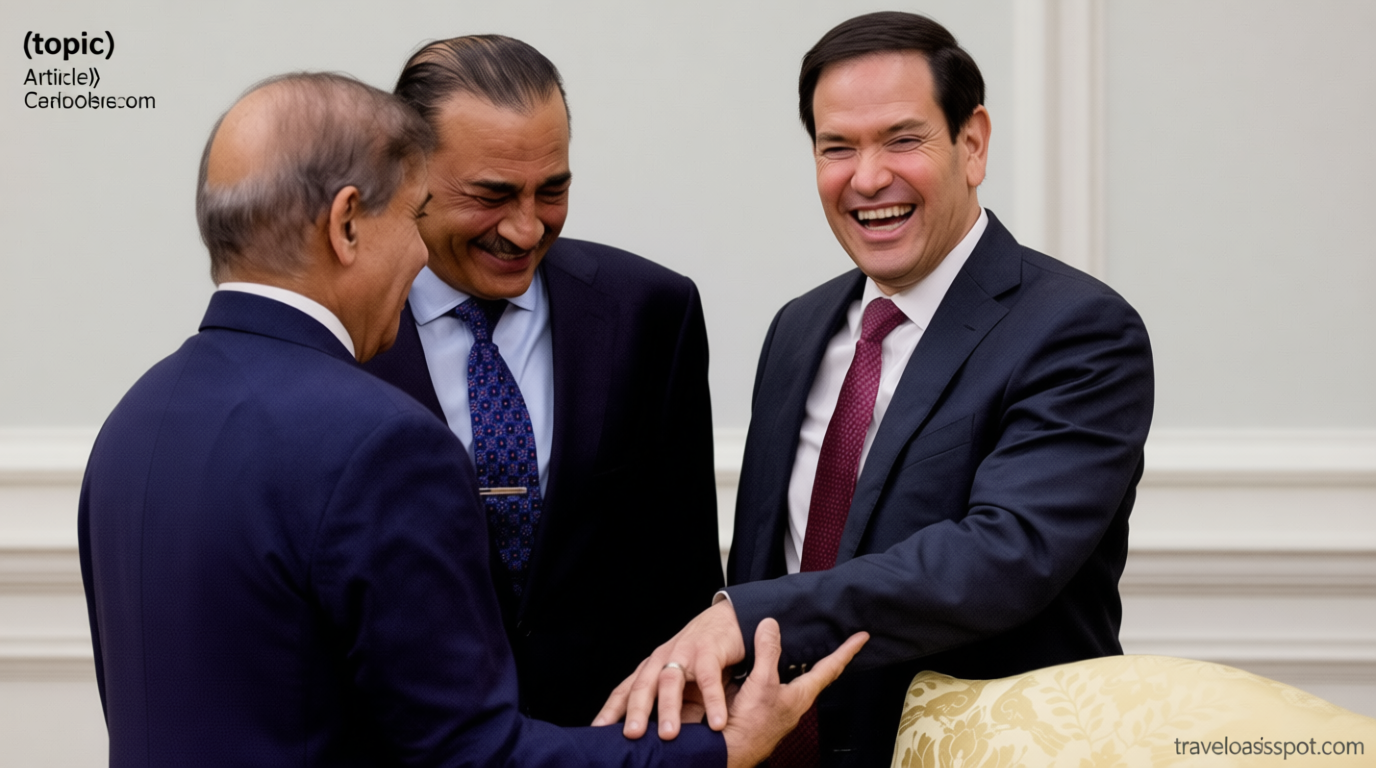
How Pakistan positioned itself at the centre of global crisis management
How Pakistan positioned itself at the centre of global crisis management In the high-stakes environment of Middle Eastern diplomacy, where the boundary between conflict and calm is often blurred by ongoing air strikes and fluctuating energy prices, a surprising actor has emerged. Pakistan, a nation with nuclear capabilities, has long been depicted through the prism of economic instability, political shifts, and security threats along its western border with Afghanistan under Taliban control. Now, it is stepping forward as a possible bridge between the U.S. and Iran. A recent proposal, appearing with unexpected speed, suggested Islamabad as a neutral ground for direct talks between the Trump administration and Iranian leaders. If this initiative succeeds, it could halt the current tension that has disrupted global energy markets and raised fears of broader regional warfare. It would also redefine Pakistan’s strategic role, shifting it from a state often seen as a security risk to a central figure in international crisis resolution. “This shift wasn’t sudden; it stems from a series of strategic choices made over the past year, which have reinvigorated Pakistan’s diplomatic influence,” said an anonymous security official in Islamabad. For Islamabad, fostering dialogue is less about ambitious global goals and more about safeguarding its economic and security interests. The country is working through a delicate economic recovery, bound by strict conditions from the International Monetary Fund. Escalating tensions between Iran and its neighbors have led to oil price surges and heightened energy challenges in Asia, particularly impacting Pakistan’s already fragile economy. Pakistan’s borders with Iran are a long, rugged 900-kilometre stretch that has historically been a pathway for militant groups, smuggling, and separatist movements. A broader regional war could destabilize these areas, where state control is tenuous. The nation’s internal dynamics also play a key role: with Shias making up 15-20% of its 240 million people, the largest such group outside Iran, Islamabad remains deeply attuned to developments in Tehran. The assassination of Iranian Supreme Leader Ayatollah Ali Khamenei early in the conflict sparked violent demonstrations in several Pakistani cities, highlighting how quickly Middle Eastern events can affect domestic stability. For Islamabad’s policymakers, the risk of the Iran war spreading or triggering internal sectarian strife is the most pressing concern. Meanwhile, Pakistan’s ties with Gulf allies, especially Saudi Arabia, are intensifying. A security pact signed with Riyadh last September, built on shared defense principles, has raised questions about Islamabad’s readiness to offer military aid if the conflict worsens. Analysts note that Pakistan’s flexibility in such a situation may be constrained. “Pakistan, situated at the edge of the conflict, is likely to seek ways to ease tensions rather than become embroiled in them,” wrote Michael Kugelman, a Washington-based analyst, on X. Despite its efforts to mediate, the western border remains under constant pressure from Islamist attacks originating in Taliban-controlled Afghan regions. A persistent separatist movement in the south continues to challenge stability, underscoring the complexity of Pakistan’s security landscape.

Doctors insisted a subtle change to my nail was nothing to worry about… in fact it was the ONLY sign of the deadliest kind of skin cancer. These are the easy-to-miss symptoms everyone must look out for
Subtle Nail Change Signals Deadly Skin Cancer A faint brown streak beneath a fingernail might seem harmless, but for Elizabeth Misselbrook, it became a critical warning sign of a rare and aggressive form of skin cancer. The seemingly innocuous line on her nail eventually led to the loss of part of her finger, highlighting the importance of noticing minor changes in nail appearance. Initial Reassurance In September 2019, Elizabeth first noticed an unusual streak under the middle fingernail of her left hand. Her general practitioner dismissed the concern, advising her to observe it for three months without immediate alarm. “I wasn’t overly worried but enough to make a GP appointment,” she recalled, emphasizing her decision to seek medical attention despite the initial downplay. “I didn’t wait. It didn’t itch, it was just a faint, light brown line.” Progression and Diagnosis By December 2021, the line had grown darker and wider, prompting her to return to the doctor. After being referred to a dermatologist, the team opted to remove the nail to examine the underlying tissue. This step revealed the presence of acral lentiginous subungual melanoma, a type of melanoma that develops in the nail bed rather than the nail itself. The condition, which often mimics a simple bruise, can be overlooked due to its subtle presentation. However, Elizabeth’s case underscored its potential severity, as the cancer had already spread twice by the time she received her diagnosis in May 2021. Amputation and Aftermath By July 2022, Elizabeth’s condition had advanced to the point where part of her middle finger had to be amputated. “I was upset when they said they had to amputate,” she said, acknowledging the emotional impact of the decision. “But I was really worried so I kind of wanted them to make sure it didn’t come back.” “I hadn’t felt unwell at any point and hadn’t had drug treatment so I felt grateful. I didn’t want to get ill.” Warning Signs and Awareness Medical professionals are now urging patients to monitor subtle nail alterations that could indicate serious conditions. Elizabeth’s experience, combined with a social media post she remembered, prompted her to take action. “I was worried because I have a doctor friend and she put something on Facebook about a line on your nail being a sign of something,” she explained. The procedure involved removing the nail plate under local anesthesia and sampling the nail bed for biopsy. In her case, the entire nail bed was extracted down to the bone, followed by a skin graft to aid recovery. Though the nail may not regrow normally, some partial regrowth is possible depending on the extent of tissue removed. Living with the Aftermath Elizabeth, a former flute player, expressed concern about the long-term effects of the amputation, including challenges with handwriting and playing music. “I was worried about the long-term consequences like handwriting and playing the flute. I wanted to play the flute but I want to live more,” she reflected. Her story serves as a reminder that even minor changes in nail appearance can signal life-threatening illnesses, urging greater vigilance in early detection.
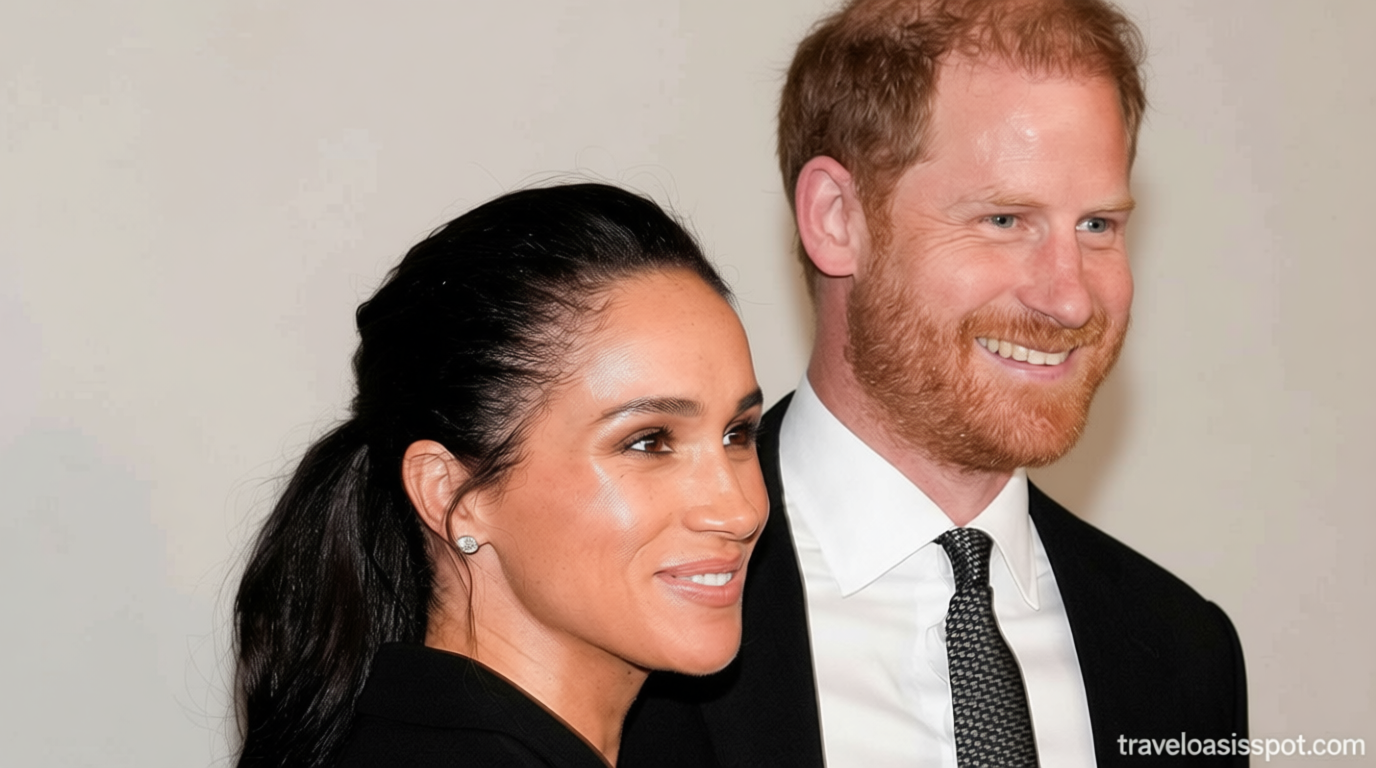
Meta and YouTube found liable in landmark social media trial
Meta and YouTube Handed Liability in Groundbreaking Social Media Lawsuit Following a significant ruling, the Duke and Duchess of Sussex remarked that the door is now wide open for additional legal actions against technology firms. This comes after Google and Meta were deemed responsible for the mental health struggles of a 20-year-old woman in a pivotal case. A jury in Los Angeles determined that both Instagram, under Meta’s ownership, and YouTube, operated by Google, played a role in the harm inflicted upon the plaintiff. The verdict awarded her $6 million in damages, marking a turning point in how tech companies are perceived in relation to their platforms’ impact. Meta and Google expressed their disagreement with the outcome, stating they intend to challenge the decision through an appeal. However, legal analysts have viewed the ruling as a critical precedent, potentially influencing numerous subsequent cases against social media platforms. “Accountability has finally arrived,” the Sussexes stated, adding, “The question is no longer whether social media must change—it’s when, and how fast.” They praised the “landmark” verdict, calling it a triumph for families and young users. “This decision confirms what parents and experts have long asserted: the harm lies in product design, not parenting,” they emphasized. Trial Breakdown and Verdict After nine days of deliberation spanning over 40 hours, California jurors concluded that Meta and YouTube were negligent in the design and operation of their apps. The jury also linked each company’s actions to the plaintiff’s distress, despite her anonymity. The case revolved around claims that Instagram and YouTube were engineered to be addictive, with the trial ending on Wednesday. TikTok and Snapchat were mentioned as part of the broader discussion but settled out of court before the trial concluded. Plaintiff’s Experience Kaley, a Californian now 20, testified that her mental health deteriorated after prolonged social media use from a young age. Her legal team argued, “How do you make a child never put down the phone? That’s called the engineering of addiction.” “These features are Trojan horses: they appear beneficial, but they take over your life,” her lawyer, Mark Lanier, stated during the trial. Meta’s CEO, Mark Zuckerberg, appeared before the jury, insisting that his platforms were created to positively impact users. “I believe our work is a positive force in people’s lives,” he testified. Instagram’s Adam Mosseri, when questioned about the plaintiff’s 16-hour daily usage, defined it as “problematic use” rather than clinical addiction. “There’s no scientific proof that social media is addictive,” he stated, highlighting a key point in the defense. Legal Arguments and Future Implications YouTube’s lawyers contested the case, asserting that the platform does not qualify as social media. Luis Li, their representative, noted the plaintiff’s reported loss of interest in the service as she aged, challenging the notion of addiction. Meta countered by attributing the plaintiff’s mental health issues to a troubled childhood, stating none of her therapists identified social media as the primary cause. The trial, however, set the stage for a wave of similar lawsuits targeting Instagram, YouTube, TikTok, and Snapchat. Over 1,600 plaintiffs, including 350 families and 250 school districts, allege that these companies designed addictive systems harming young users. Matthew Bergman, representing over 1,000 of them, anticipated a surge in legal challenges following this verdict.

Bridgerton is finally celebrating a lesbian romance – the homophobic reactions are gutting
Bridgerton is finally celebrating a lesbian romance – the homophobic reactions are gutting When the news broke that Francesca (Hannah Dodd) and Michaela (Masali Baduza) would lead season five of Bridgerton, I was thrilled. But the rest of the fanbase didn’t share my excitement, quickly dashing my hopes with their criticism. Scrolling through social media platforms revealed a flood of distressing comments, broadly falling into two categories: fans lamenting Eloise’s storyline being delayed or straight-up homophobes vowing to stop watching the series. The latter’s outrage is particularly harsh, targeting the inclusion of a same-sex romance as a bold, unnecessary choice. “Why can’t they just stick to the ‘tradition’ of relationships in that period?” one commenter asked. “We do not have to make everything we watch gay.” Most of the disappointment centers on Claudia Jessie’s character, Eloise, who has been resisting marriage proposals since the show’s debut. While some argued that Francesca needed extra time to grieve John’s death, others felt this justified keeping Eloise’s love life for later. However, I believe the emotional weight of Eloise’s arc is being overestimated. Francesca’s journey, including her union with John and introduction to Michaela, was already detailed in earlier seasons. The groundwork for their romance was well-established, making the decision to stretch it into season five feel redundant. Yet, fans insisted on elongating the narrative, claiming it would allow Francesca more time to process her loss. Meanwhile, Eloise’s character has shown signs of stagnation, often repeating her defiance of societal expectations. But this isn’t the first time the show has diverged from the books. Colin and Benedict’s storyline was swapped, a move that deepened Benedict’s development and resolved Colin’s romantic tension with Penelope. This shift benefited the narrative, much like the Franchaela storyline could. Some critics argued that Francesca’s female love interest would overshadow her infertility struggle from *When He Was Wicked*. Yet, this plotline has already been explored, and the claim that it’s irrelevant to a same-sex couple seems ignorant. In the 1800s setting, the challenges of conceiving without modern medicine add depth to any relationship, offering broader representation. Despite the backlash, Eloise’s romance is poised to be a significant arc in season five. Her connection with Sir Phillip Crane, a love interest and eventual husband in the books, promises fresh storytelling. While I’d love to see Eloise return to her rebellious spirit—like her secret visits to Theo or advocacy for gay marriage—the show has already set a compelling path. It’s time for Eloise fans to temper their frustration. The anger directed at Hannah Dodd and Masali Baduza is already substantial, and the backlash risks overshadowing the progress made by LGBTQ+ characters in the Bridgerton universe. For years, these stories were often sidelined, with Benedict’s bisexuality and Brimsley and Reynold’s romance in the Queen Charlotte spin-off serving as minor threads.