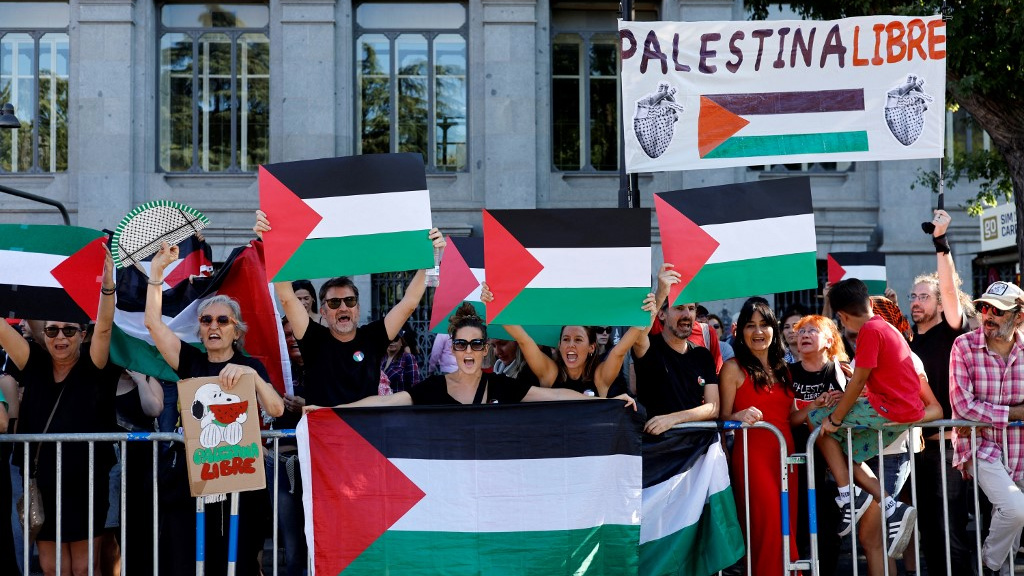
Palestine is Now the Conscience of the World. No Deal Will Change That Donald Trump’s recent announcement in Washington wasn’t a peace plan, but a hollow imitation of one. This agreement, hailed as a major achievement, was crafted between an American ally and an Israeli aggressor, sidelining the very people it was meant to serve. Palestinians, including Hamas and the Palestinian Authority, were left out of the picture—erased from the narrative entirely. Trump stood beside Israeli Prime Minister Benjamin Netanyahu, extolling his “agreement” to a blueprint he had authored, while Palestinians remained silent. The absence of Palestinian voices was glaring, with no room for their perspectives or demands. This pattern mirrors the colonial strategy behind the Abraham Accords, where deals are brokered without Palestinian consent, and peace is celebrated despite ongoing occupation, blockades, and systematic oppression. “Who could believe it?” Netanyahu boasted, marveling at how Muslim governments would act as a shield for Israel’s dictated terms. Beneath the surface spectacle, the plan offers little substance. Its sole tangible promise is the return of hostages. Other commitments are vague, lacking enforceability. Israeli forces remain stationed in occupied territories, and the deal serves as a mask for what amounts to a forced submission. It’s not negotiation—it’s imposition, a triumph of power over principle. Israel’s military campaigns had failed to crush Gaza, secure hostages, or break Palestinian resistance. Trump’s intervention attempts to transform these failures into perceived victories. By offering a diplomatic facade, he aims to legitimize a regime that has long relied on violence to assert dominance. Yet, the international tide continues to shift against Israel, with public sentiment in Europe and the U.S. increasingly favoring Palestine. At the United Nations, Netanyahu faced a stark reality: 77 nations walked out of the chamber, leaving him to speak to empty seats. This isolation underscores the growing global support for Palestine, a movement that threatens to dismantle Israel’s geopolitical standing. The deal, however, seeks to reverse this momentum, aiming to suppress boycotts, protests, and the rising awareness of Palestinian struggles. Historically, such agreements have mirrored the colonial mindset of the Balfour Declaration. Just as British mandates stripped Palestinians of their sovereignty in 1917, the current plan replicates this by offering control under the guise of peace. Trump and his allies now wield a “Board of Peace” to oversee the process, with Tony Blair symbolizing the enduring colonial mindset. Even as leaders from Arab nations and Muslim states gather to endorse the deal, their role is not to advocate for Palestinians but to facilitate their subjugation. They are complicit in a strategy that silences Palestinian agency, replacing it with a structure of imposed governance. As Egypt’s former UN delegate Motaz Khalil noted, this is a “surrender plan” that diminishes Palestinian voice and hands Netanyahu the victory he once sought through war. History will judge this moment harshly. A ceasefire that excludes the occupied people is not peace—it’s a colonial decree, a revival of imperial control in the 21st century. The machinery of external domination, disguised as humanitarian rhetoric, continues to advance. And the Muslim rulers who stand beside Netanyahu are not partners in peace, but accomplices in the erosion of Palestinian rights.
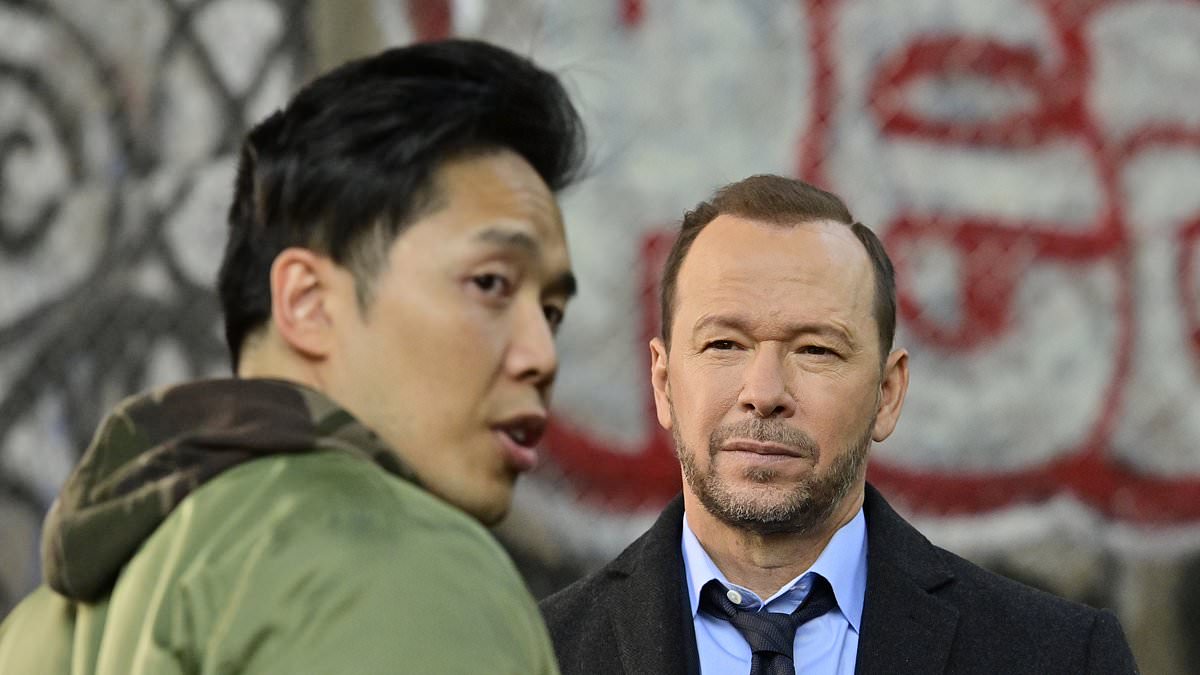
Blue Bloods star Alex Duong’s heartbreaking final comment weeks before death at 42 amid cancer battle
Comedian Alex Duong’s Final Words Before Tragic Passing at 42 Alex Duong, the comedian and actor celebrated for his role on *Blue Bloods*, left behind a poignant message just days before his 42nd birthday, as he faced a relentless fight against a rare form of cancer. His passing marked the end of a courageous journey that had already tested his strength and resilience. Cancer Battle and Last Moments Duong succumbed to septic shock at St. John’s Hospital in Santa Monica, California, on Saturday. The illness, which began with severe headaches behind his eye, was diagnosed as alveolar rhabdomyosarcoma—a rare and aggressive soft-tissue cancer. Despite intensive treatments, including an eye patch, the condition gradually eroded his health, culminating in a critical turn. “ I just found out my boy Alex, he’s been battling eye cancers, quite a while… and it was going good and he recently had a seizure. And the thing with the seizure, they found out he has something in his spine, man. ” — Chris Tran, friend and manager of the Little Saigon, Westminster Instagram account In his last public post, Duong shared a video from his friend Chris Tran, who implored fans to rally around him during his deteriorating health. The star’s response—”[two hand clap emojis] I will walk out of here”—captured the bittersweet hope that lingered in his final days. Legacy and Family Support A close family confidant, Hilarie Steele, confirmed his death to TMZ, detailing the swift progression of his illness. Following his passing, a GoFundMe campaign initiated by Steele has opened to assist his wife, Cristina, and their five-year-old daughter, Everest, as they navigate life without him. Duong’s career spanned stand-up, acting, and writing, with notable work on Netflix’s *Historical Roast*, CBS’s *Blue Bloods*, and *The OnlyFans Roast of Whitney Cummings*. He was a staple of the Los Angeles comedy scene, known for both his performances and his role as a door guy at the iconic Comedy Store on the Sunset Strip. Born as the youngest of six children to Vietnamese and Chinese parents, Duong grew up in Dallas, Texas, before relocating to Los Angeles to pursue his passion for entertainment. His battle with the cancer not only impacted his vision, leaving him with significant medical debt, but also inspired a community of fans and fellow artists who cherished his humor and spirit.
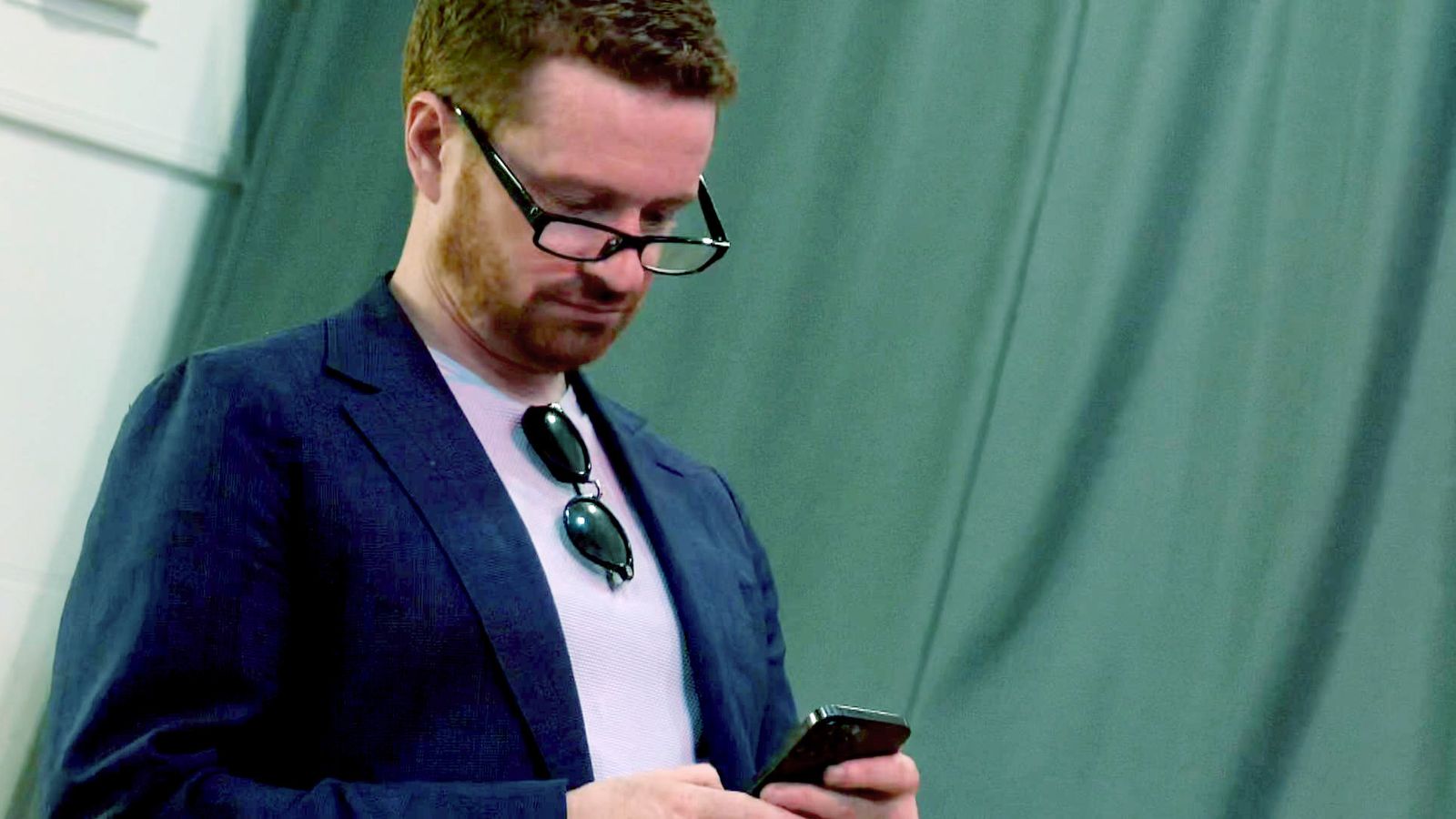
Morgan McSweeney phone theft conspiracy theories – it’s the job of journalists to seek the truth
Morgan McSweeney Phone Theft: Conspiracy Theories and the Duty of Journalism At first glance, the idea that Morgan McSweeney’s phone theft might be tied to inquiries about Lord Mandelson appeared implausible. My initial reaction was one of disbelief, as the suggestion seemed far-fetched. Yet, as the story unfolded, I began to reconsider. Reassessing the Narrative Some within the government questioned whether the conspiracy theories I highlighted were truly as outlandish as they seemed. When the prime minister asserted that the connection was improbable, others argued that by October 2025, such a link might have seemed reasonable. While neither scenario is confirmed, the debate around it is valid. Ultimately, I remain unconvinced that either theory is factual. However, the process of investigating these claims revealed their potential significance. Journalism, after all, requires exploring possibilities, even if they lead to unexpected conclusions. Other Stories of Investigative Journalism Similar dynamics played out in the case of Louise Haigh’s undisclosed conviction, which was connected to an alleged phone theft. The tip I received initially suggested a more favorable narrative, but the journey to publication uncovered what was clearly in the public interest. Another instance involved Angela Rayner’s purchase of a coastal property. Early reports hinted at tax avoidance, but the explanation provided by her team was thorough and credible. Despite this, the story was covered, leading to a misstep that impacted her political role. Rachel Reeves’ rental licensing issue also followed this pattern. While the initial concerns appeared minor, the subsequent clarification prevented lasting damage. These examples show how journalism can uncover truths, even when the path is uncertain. The Balance Between Optics and Facts Some critics argued that media outlets were amplifying conspiracy theories by engaging with the Morgan McSweeney story. However, the question isn’t whether such stories should be examined, but when they should be shared. The optics of an issue can matter, but it’s what “is” bad that deserves attention. When I first learned of the phone theft, I thought the conspiracy theories were overreaching. Yet, the process of investigation led to a compelling case that warranted coverage. The key is ensuring that the pursuit of truth remains the central goal, even as the journey through murky waters unfolds. By delving into these matters, news organizations play a crucial role in shaping public understanding. Whether it’s a stolen phone or a tax discrepancy, the task of journalists is to sift through the noise and uncover what matters most. That responsibility, I believe, justifies the effort, even if the ultimate conclusion isn’t immediately clear. 👉 Listen to Electoral Dysfunction on your podcast app 👈
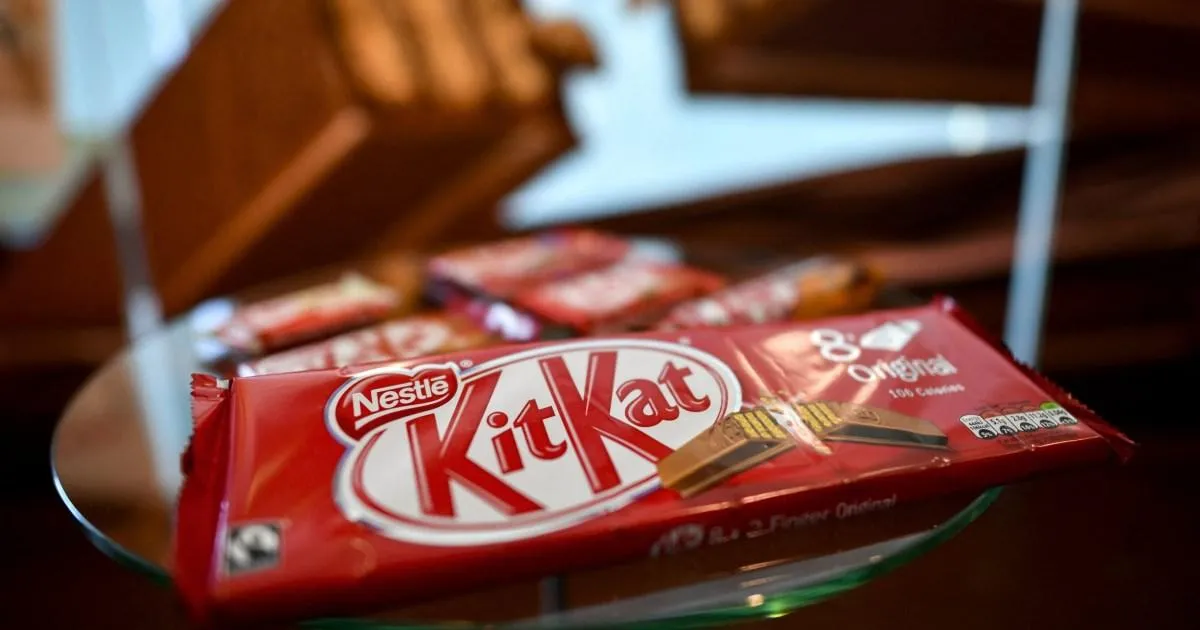
The weirdest heists in history after thieves’ brazen KitKat lorry raid
The weirdest heists in history after thieves’ brazen KitKat lorry raid Heists don’t always need to be as thrilling or glamorous as the cinematic versions in Ocean’s Eleven or The Italian Job suggest. While flashy gold and diamonds dominate headlines, other items—like chocolate bars—can also spark major crimes. Recent news has spotlighted a peculiar theft involving 413,793 KitKat chocolate bars stolen from a lorry en route from Nestlé’s factory in Perugia, Italy, to a Polish destination. KitKat stated they had ‘chosen to go public with our own experience in the hope that it raises awareness of an increasingly common criminal trend.’ The theft of such a massive quantity of sweets might seem odd, but it’s far from unique. In 2023, during a particularly somber Easter, a similar incident occurred when 200,000 Cadbury Creme Eggs vanished from a Telford, Shropshire, warehouse. The culprit, Joby Pool, a 32-year-old from near Leeds, had used a tractor stolen in October to transport the eggs in February. Going further back, the late 2010s saw a string of bizarre vehicle cargo thefts in Germany. In August 2017, a semi-trailer filled with 20 tons of Nutella and Kinder Surprise eggs disappeared from Neustadt. Among the stolen goods were thousands of plastic toys meant for children. That same weekend, another semi-trailer containing 30 tons of fruit juice was taken from Wittenburg, a town near Hamburg, more than 350 miles north. But the most audacious theft occurred in January 2018 when two truck trailers holding 44 tons of chocolate were stolen from an industrial park in Freiburg. The scale of these crimes highlights how even everyday items can become targets in high-stakes heists. Across the Atlantic, a different kind of theft unfolded in Wisconsin. In January 2016, police were alerted that wheels of parmesan cheese valued at $90,000 had been taken from a distributor. Just under two weeks later, they discovered the stolen cheese in a warehouse in Grand Chute, southwest of Green Bay. Meanwhile, another trailer with $70,000 worth of cheese had already been stolen from Germantown. Back in London, a cheese firm named Neal’s Yard faced a deception in October 2024. They were contacted by individuals claiming to represent a major French retailer’s wholesale distributor. The scheme unraveled, leaving the company stranded and the cheesemakers who supplied their products to deliver the order. Finally, the Philadelphia Insectarium and Butterfly Pavilion, once the first bug zoo in the US, became a case study in unusual theft. In August 2018, its founder, Dr. John Cambridge, arrived to find the tanks and shelves completely empty—thousands of live insects had been taken without a trace. The incident led to a four-part TV documentary and heated disputes among staff over responsibility. These bizarre incidents remind us that crime can strike in the most unexpected ways, whether it’s chocolate bars, cheese, or living bugs. While the Easter holidays are traditionally a time for celebration, they’ve also become a backdrop for some of history’s strangest thefts.