
Depression Fears Drove Orie’s Retirement Decision Delicious Orie, a 28-year-old boxer who once seemed destined for greatness, has revealed that his decision to retire from the sport was driven by concerns over his mental health. The former amateur standout, who only began competing at 18, faced a pivotal moment after his professional debut last year, which marked the start of a new chapter in his career. No Path Forward Orie’s journey took a dramatic turn following his participation in the Paris Olympics, where a fierce competition emerged for his talents. Despite falling short of a medal in the heavyweight division, he became a sought-after prospect, with Frank Warren’s Queensberry Promotions outbidding Eddie Hearn’s Matchroom and even attracting interest from the WWE. Yet, just a month after the Games, he made a surprising announcement: stepping away from boxing entirely. “I wanted to pull out before the sport revealed my emptiness,” Orie explained to BBC Sport. “I turned pro for the money, needed it, but soon realized that wealth only gives a fleeting sense of joy. It offers no lasting satisfaction. I felt nothing.” His amateur career had already set high expectations. Hailing from Russia, Orie moved to the UK as a child and quickly grasped the potential of boxing as a pathway to success. By 19, he had dreamed of becoming a millionaire, and his professional debut promised financial stability. However, the reality of the sport left him questioning his purpose. Orie’s pro debut, a win over Milos Veletic, was meant to be an easy start. Instead, he struggled through the fight, failing to secure the knockout many had anticipated. The experience left him doubting his motivation. “I had to make a choice,” he said. “Either step away when it was almost too late—when I got knocked out by someone who simply wanted it more— or take control and walk away from the things I could have achieved.” The emotional toll of his career became more apparent. He described how his mental health began to decline as the pressure mounted. “You start to see other things that could tear you down instead of building you up,” Orie noted. “I’ve seen it happen to fighters like Tyson Fury. I felt like I was heading down that path.” Reflecting on his decision, Orie emphasized the importance of mental well-being. “Being mentally strong doesn’t mean shutting out your feelings,” he said. “When you ignore them, it’s only a matter of time before they take over. I think education is vital.” Now, Orie has transitioned into a role as a financial advisor, aiming to guide others toward fulfillment rather than just financial gain. He regrets not discussing his decision with those close to him, as they were equally surprised. “I wanted to be a role model like Anthony Joshua was to me during the London 2012 Olympics,” he said. “Pushing on any further would have been chasing validation from others—something that wouldn’t fill the void inside.”

Could saunas become the ‘new pub’ when it comes to socialising?
With sauna culture quickly growing across the UK, including in Wales, some advocates of the heated treatment claim they could become the "new pub" when it comes to socialising. There are more than 600 public saunas across the UK, with many now opening on beaches, overlooking lakes and in other picturesque rural settings. While many users promote the health and mental benefits of sauna use, the science behind this is nuanced. Experts also warn that people should take care when using saunas, such as ensuring they are hydrated, while also making sure it takes place alongside other healthy activities. The British Sauna Society (BSS) promotes almost 640 saunas on their website – up from 540 at the start of the year – while a recent report said the UK could become Europe's largest sauna market by 2033. Gabrielle Reason, director of BSS, said: "The continuing growth suggests that the peak has still yet to come – if there is one." A sauna business owner also argues that Wales' picturesque landscape – which includes dramatic coastlines and remote rural areas – lends itself to sauna use, in a similar way to Finland. Kathryn Donavan, 40, opened Môr A Sawna near Jackson's Bay, Barry, Vale of Glamorgan, in June 2024. She had struggled with premenstrual dysphoric disorder (PMDD) and endometriosis, using cold water therapy to help manage her symptoms. After having surgery to remove parts of her womb, she noticed her conditions would flare up more frequently, sometimes leaving her unable to get out of bed. "I was in so much pain," Donavan said, adding that she began developing flu-like symptoms. It was then she began looking into alternative treatments to help manage her pain and symptoms, and began visiting a sauna an hour and a half from where she lived. Wondering why one wasn't more accessible, she decided to open her own outdoor sauna and since then said her health conditions have become more manageable. "I don't get pain anywhere near as intense as I used to," she said. Donavan said visitors to her sauna came for a range of reasons, including those looking for a sense of community or to escape a feeling of isolation. "We've got quite a few people who use it regularly because of various health conditions and it helps them sleep better and move easier. "I just think sauna is a way of life – it's not a fad, it is a place to unwind and destress or be social," she added. William Jenkins spent 15 years working in the technology sector and said long hours and stressful days left him struggling with his mental health, eventually suffering what he said was a mental breakdown. While travelling he discovered sauna culture, and in nine months visited 70 saunas in 14 countries, finding it useful for his mental health. Upon returning to Wales he opened Hikitalo Sauna in Porthcawl. "I class saunas as the new pub. A sober way of getting together and you don't wake up with any hangovers," said the 34-year-old. Jenkins said he believes there is a "huge mental health benefit" to being socially connected. "We all need a sense of belonging and that kind of social connection," he said, adding that he believed the culture was "here to stay". "There's no titles or social status in the sauna, that's what I really love about it. It's a place that's judgement free," he added. He said saunas were about creating "social connection", something that helped him when he was struggling with his mental health. "And that's what I'm trying to create here," he said. Jenkins also said he believes Wales' picturesque landscape lends itself to sauna culture, similar to the way it does in Finland. "The combination of these social saunas in connection with nature, I think there's something very special about it." Dr Geoff Combs, lecturer in sport and exercise science at Bangor University, and a member of the Institute for Applied Human Physiology, said health benefits from sauna use needed to incorporate "other healthy behaviours". "If someone is telling me that they feel it improves their mental health, that's great, keep doing it," said Combs, although he added that more research was needed. He also said safety around sauna use was important and for people to ensure they did their own research from trusted sources. "Listen to your body and be aware that you could overheat – make sure you're hydrating before, bringing water with you and just start slow. "I mean, go in for a few minutes, see how you feel, take a break. "I think it's important to have scientific evidence, but if people enjoy doing something, then they should continue to do that," adding that it was important that people used sauna's safely.

Emergency jabs after 100 children die of suspected measles in a month in Bangladesh
Emergency Vaccination Drive Launched in Bangladesh Amid Measles Surge Bangladesh has initiated a urgent vaccination campaign following a rapid spread of measles, which is suspected to have caused over 100 fatalities in a single month. This marks the most severe outbreak of the disease in the nation’s recent history, with health ministry data revealing more than 7,500 suspected cases since March 15. Over 900 of these cases have been confirmed, a stark rise compared to the 125 measles infections recorded throughout 2025, as reported by local media. Program Gaps Exposed by Outbreak While Bangladesh has consistently vaccinated children against measles, the current crisis highlights vulnerabilities in its immunization system. Rana Flowers, Unicef’s representative in the country, stated in a Sunday statement that the outbreak is “posing serious risks to thousands of children, particularly the youngest and most vulnerable.” Routine vaccines are administered to infants as early as nine months, yet approximately one-third of those infected in the recent wave were under this age, according to Shahriar Sajjad, deputy director of the Health Department. “Vaccines are foundational to child survival,” said Flowers. “The current measles outbreak is putting thousands of children at serious risk.” The emergency campaign, launched on Sunday, aims to address these gaps. It will cover 30 upazilas—sub-districts in Bangladesh—and target over 1.2 million children aged six months to five years. Priority will be given to children who missed routine immunizations, as emphasized by Unicef. The initiative also focuses on Dhaka, the densely populated capital, and Cox’s Bazar, where Rohingya refugee camps create crowded living conditions. Political and Logistical Challenges Bangladesh’s vaccination efforts have faced setbacks. Special measles campaigns, held every four years, were postponed since 2020, initially due to the pandemic and later because of “political situation,” Sajjad explained to BBC Bangla. The country experienced significant political unrest in 2024, leading to the ousting of long-time leader Sheikh Hasina. An interim government took control before a new administration was elected in February. A planned April campaign did not materialize, with procurement issues cited as a cause for vaccine shortages, as noted by the Daily Star. Global Measles Trends Measles remains a global health concern, with 95,000 estimated deaths in 2024—primarily among children under five—according to the World Health Organization. The disease, a contagious airborne illness, can lead to severe complications and fatalities. Despite a sharp decline in cases worldwide, from 38 million in 2000 to 11 million in 2024, the Lancet reports that measles outbreaks have reached their highest levels in over two decades. This has been attributed to dropping vaccination rates, with the WHO warning that 95% of the population must be immunized to prevent transmission. Health officials are also distributing infographics to educate communities on recognizing and preventing measles. The campaign underscores the importance of maintaining high immunization coverage, as even small disruptions can accumulate over time, leading to outbreaks like the one currently affecting Bangladesh.

Pressure mounts over UK festival’s Kanye West booking
Pressure mounts over UK festival’s Kanye West booking Jewish advocacy groups and members of Parliament are urging the Wireless Festival to revoke Kanye West’s headline performance and request the UK government to restrict his entry due to his documented antisemitic remarks. The rapper, now known as Ye, sparked controversy last year by releasing a track titled “Heil Hitler” and selling T-shirts featuring the swastika emblem, later expressing regret and attributing the actions to his bipolar disorder. West is scheduled to headline the London event from 10 to 12 July, but recent sponsor withdrawals have intensified scrutiny. On Sunday, Pepsi and Diageo, two major backers, announced their support was being withdrawn. PayPal, a payment partner, also ceased allowing its branding on promotional materials for the festival. Prime Minister Sir Keir Starmer described the booking as “deeply concerning,” emphasizing the need to confront antisemitism firmly wherever it appears. CAA director criticizes festival’s decision “It’s great that sponsors are now doing the right thing and withdrawing their support, but how it could have conceivably been considered the right thing to do to headline an artist who, less than a year ago, released a music video for a song called Heil Hitler?” said Stephen Silverman, the Campaign Against Antisemitism (CAA)’s director of investigations and enforcement. Labour MP Rachael Maskell argued that performers should not be given a platform if their actions promote prejudice. “We cannot allow these performers to have a platform,” she stated. “That’s why it’s absolutely right that the prime minister has said the Wireless Festival should cancel this performer, but also he should not be allowed to come to our country to perform in the light of the antisemitic comments he has made and recorded.” Festival accused of profiting from racism The Board of Deputies of British Jews accused the Wireless Festival, its parent company Festival Republic, and managing director Melvin Benn of “profiteering from racism.” The organization highlighted the festival’s own charter, which asserts it does not tolerate discrimination based on religion and prohibits discriminatory actions at the event. Festival Republic and Benn have yet to respond to inquiries for comment. The Home Office echoed Starmer’s stance, noting that antisemitism is “abhorrent and must be confronted firmly wherever it appears.” Despite the backlash, West’s new album remains in the top three in the UK and number two in the US. He recently played sold-out stadium shows in Los Angeles, with critics highlighting his ability to draw large crowds. However, some argue that his past statements justify the push to limit his public presence. Controversy and cultural impact “He can certainly sell out shows wherever he likes, if he’s allowed to play. The problem is, in the past, I think you wouldn’t give a public platform to someone that problematic,” said Sunday Times music critic Lisa Verrico. West’s comments, including a controversial image merging a swastika with the Star of David and a reference to “death con 3” on Jewish people, have led to significant public outrage. Australia revoked his visa after he released “Heil Hitler” in May, while he apologized in a full-page advertisement in the Wall Street Journal this January, declaring: “I am not a Nazi or an antisemite.” He attributed his earlier remarks to the effects of bipolar disorder. With sponsors distancing themselves and political pressure mounting, the festival faces uncertainty. The Guardian’s music editor, Ben Beaumont-Thomas, suggested organisers might opt to cancel the event, noting the potential financial and reputational impact. As ticket sales approach, the debate over West’s role continues to divide opinion, balancing his artistic influence against concerns over his historical rhetoric.

Savannah Guthrie returns to NBC’s Today show, as search for mother goes on
Savannah Guthrie returns to NBC’s Today show, as search for mother goes on On Monday, American TV host Savannah Guthrie made her first studio appearance since January 30, resuming her duties at NBC’s Today show amid ongoing efforts to locate her missing mother. The search for Nancy Guthrie, who vanished two days prior, remains active as authorities investigate her disappearance. Earlier this month, Guthrie expressed her resolve to return to work, stating it was “part of my purpose right now” to rejoin the team. However, she acknowledged uncertainty about her ability to continue with the same commitment. Nancy, 84, was last seen at her Tucson, Arizona, home before disappearing without her medications. Investigation Details Law enforcement has indicated Nancy Guthrie was likely taken against her will from her residence. While the exact reason for her abduction remains unclear, investigators have not yet identified a suspect or disclosed potential motives. Her absence was first noted when she failed to appear at a friend’s house for a virtual Sunday service the day after being dropped off by relatives. Easter Message and Faith During the Easter Sunday service at Good Shepherd New York, Guthrie shared a message reinforcing her Christian beliefs. In a closing statement, she said: “I still believe. And so I say with conviction, ‘Happy Easter.’” This moment of reflection came as she temporarily paused her anchoring responsibilities following her mother’s disappearance. Background and Absence from Work Guthrie had stepped away from her role on Today and NBC’s Winter Olympics coverage after Nancy’s disappearance. In a recent interview, she emphasized her emotional ties to the show, stating, “I can’t not come back. This is my family.” She also hinted that her public fame might have contributed to her mother’s disappearance, though she found the speculation difficult to endure. Reward Offered for Information In February, the Guthrie family launched a $1 million reward for anyone providing clues about Nancy’s whereabouts. The search continues, with her last known location being her Tucson home, where she was visited by relatives on the evening of January 31.

Two protests, two elections: How Nepal’s Gen Z succeeded where Bangladesh’s stumbled
Two protests, two elections: How Nepal’s Gen Z succeeded where Bangladesh’s stumbled The Unfolding of a Youth-Driven Shift Last month, Nepal celebrated the installation of its new prime minister, Balendra Shah, alongside a parliament brimming with young representatives. Meanwhile, Bangladeshi activist Umama Fatema watched from a distance, grappling with a sense of letdown. Fatema, part of the Gen Z-led demonstrations in Bangladesh during 2024, had played a role in toppling their government through passionate protests. Yet, nearly two years later, the youth movement in Bangladesh has not translated into tangible political influence. In the first elections following the protests, the Bangladesh Nationalist Party (BNP) secured a sweeping majority, while the newly formed National Citizens’ Party (NCP)—born from the student-led uprising—struggled to make an impact. Political Structures and Electoral Dynamics Nepal’s recent election marked a turning point, with the four-year-old Rastriya Swatantra Party (RSP) achieving a decisive victory. This success propelled a wave of Gen Z politicians into parliament and elevated Balendra Shah, who partnered with the RSP, to leadership. In contrast, Bangladesh’s political landscape remained unchanged, leaving the youth’s efforts to challenge the status quo underutilized. Analysts highlight that Nepal’s electoral system, which favors coalition governments, created an environment where established parties could no longer dominate. Over 17 years, the country experienced 14 administrations, as alliances shifted between a few key parties. Organizational Resilience and Public Trust KP Khanal, a Gen Z representative elected by the RSP in Kailali district, credited the movement’s success to its connection with the general populace. “The protests captured a deep, long-standing frustration with governance,” he explained. “The efforts and demands of young activists stayed with people, proving they were not overlooked.” Consistency in messaging about accountability and justice helped solidify the movement’s credibility, transforming it from a reactive force into a trusted political entity. Strategic Alliances and Leadership Nitasha Kaul, director of the Centre for the Study of Democracy at the University of Westminster, noted that Nepal’s political fragmentation allowed the RSP to thrive. “With all three major parties discredited, the youthful RSP became the main beneficiary,” she observed. The alliance between Balendra Shah and the RSP provided the necessary resources and reach for a successful campaign. Though Shah’s leadership faced accusations of embezzlement, his charisma and the party’s coalition structure helped navigate these challenges. Challenges of a Youth-Led Campaign Purushottam Suprabhat Yadav, a Gen Z activist, reflected on the complexities of transitioning from protest to political power. When asked to join in forming a new party after the 2024 demonstrations, he hesitated. “Winning an election isn’t just about passion—it’s about organization,” Yadav said. “A movement’s victory in the streets doesn’t automatically translate to electoral success, especially in a region where party machinery is crucial.” In a broader South Asian context, the RSP’s success underscores the importance of institutional support for young political actors. While Nepal’s youth movement found its footing through strategic partnerships, Bangladesh’s efforts remain tethered to the entrenched power of traditional parties. The contrast highlights the nuanced path from protest to governance, where timing, structure, and leadership play pivotal roles.

Missiles thrown at police as illegal rave halted
Missiles Thrown at Police as Illegal Rave Halted During a late-night operation to end an unauthorized music event, Dorset Police encountered resistance from attendees who hurled projectiles at officers. The gathering, held near East Lulworth, attracted approximately 2,000 individuals and over 100 vehicles. A total of 10 people were arrested as authorities worked to dismantle the rave, which began around 23:45 BST on Saturday and continued into Sunday evening. Law enforcement faced a “hostile and violent reception” during the dispersal efforts. Officers seized equipment and closed surrounding roads to manage the situation. Arrests were made for offenses such as driving under the influence and assaulting emergency personnel. Assistant Chief Constable Steve Lyne emphasized the need for action, stating: “Our officers encountered projectiles and a violent response while addressing the incident. Violence directed at police and within communities will not be tolerated. These events are illegal and disrupt local areas, so we must act to ensure public safety.” Police and Crime Commissioner David Sidwick acknowledged the community’s support during the operation. He noted the event had a major impact on residents and visitors, adding: “We appreciate the local community’s patience as authorities executed dispersal plans. Swift and proportionate measures were taken immediately upon identifying the event. All involved in the operation, including national officers, deserve recognition for resolving the situation safely.” Past Illegal Raves in the Area Similar incidents have occurred in Dorset before. In May 2023, a rave at Corfe Castle began on the Spring Bank Holiday Saturday and took officers until Monday morning to fully disperse. Earlier, in April 2022, another unauthorized event near East Lulworth was held on military land. In 2019, an illegal gathering left a farmer’s field in Corfe Castle severely damaged, with broken glass, human waste, and debris scattered across the site. Legal Powers to Combat Unlicensed Events The Criminal Justice and Public Order Act grants police the authority to intervene in such situations. Under the law, officers can stop vehicles within five miles of an unauthorized gathering and prevent them from continuing. The act also imposes restrictions on gatherings exceeding 20 people who listen to music during nighttime hours.
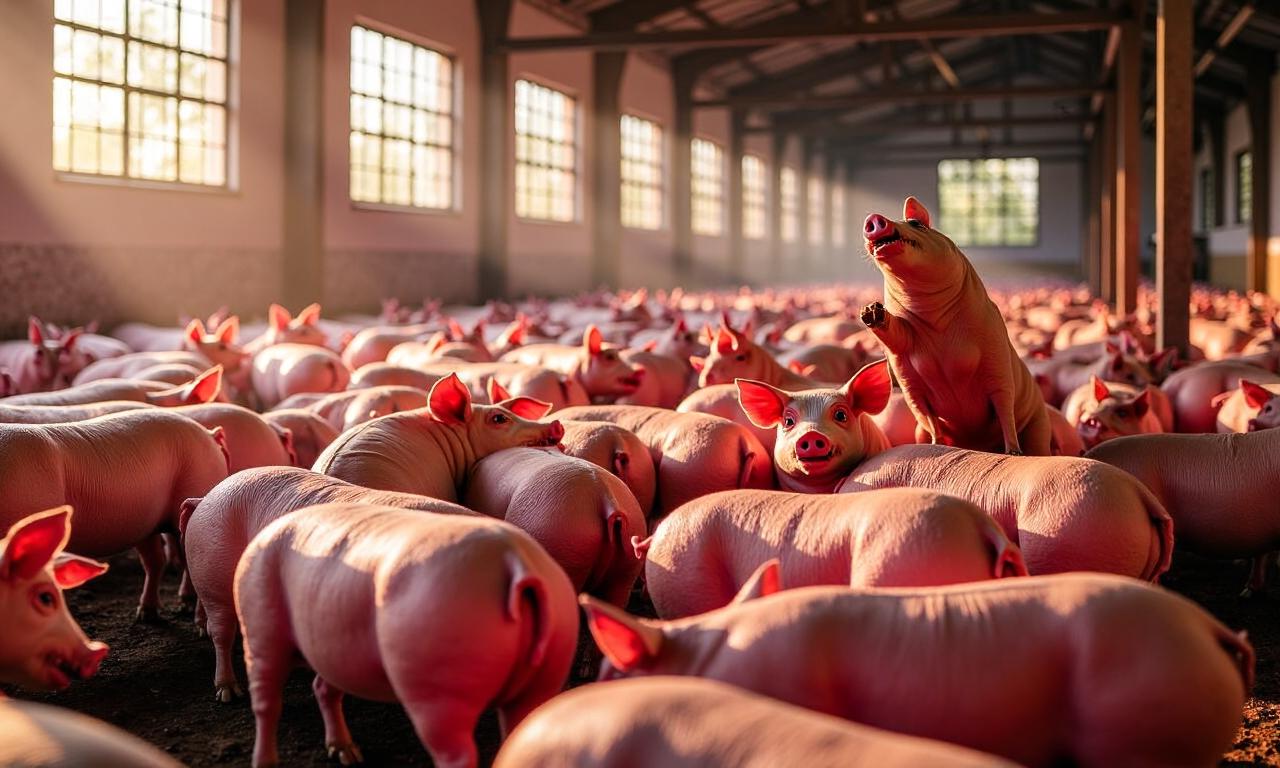
Spain’s huge pork industry seeks salvation from swine fever threat
Spain’s Pork Industry Faces Crisis Amid Swine Fever Spread Jordi Saltiveri stands on his family’s farm, where 8,000 pigs are raised, and recalls the moment African Swine Fever (ASF) was confirmed in Spain late last year. “I felt a mix of sadness, frustration, and helplessness,” he says. The news triggered a chain reaction, as nations like Brazil, Japan, and Mexico paused pork imports from the country. For Saltiveri, whose farm has been passed down through generations, the impact is immediate and severe. Agricultural Challenges in Catalonia Located in Lleida, a remote area of northeastern Catalonia, Saltiveri’s operation is part of a broader sector grappling with the ASF threat. A Catalan independence flag flutters at the farm’s entrance, while distant pig calls echo through the buildings. Though the virus has not yet reached this region, its presence has disrupted trade, reducing the value of each pig sold by around €30 to €40. “We’re losing significant income,” he explains, highlighting the industry’s vulnerability. “Being too permissive with wild animals has led to an overpopulation of rabbits, deer, and wild boar,” says Òscar Ordeig, Catalonia’s agriculture minister. He notes the surge in boar numbers, which has caused “a major rise in traffic accidents and disease transmission.” The crisis originated in Collserola Park, a nature reserve near Barcelona. In late November, an infected wild boar’s carcass was found there, prompting swift action from authorities. The park was closed, and efforts to track more cases began. While the source of the outbreak remains uncertain, initial checks ruled out a leak from a nearby research facility. Control Measures and Culling Efforts To curb the spread, local officials have implemented strict measures. A 6km radius around the first cases is designated high-risk, while a 20km zone is considered lower risk. Rural police use net traps, metal boxes, and silent guns to cull boars, with cameras and drones monitoring their movements. All carcasses are tested for ASF, and 232 have tested positive by March. Fences are also being erected to limit boar movement. Officials emphasize “extreme biosecurity” as a critical tool in defending the industry. “We must deploy every available resource to protect our economy and farming community,” Ordeig states. This includes rigorous disinfection protocols for vehicles and footwear after patrols in affected zones. Export Losses and Industry Strain Spain’s pork sector, once the largest in Europe with a €25bn valuation, is now under pressure. Since eradicating ASF three decades ago, the industry has expanded significantly. However, detection of the virus has led to export bans, with countries like Brazil, Japan, and Mexico halting imports. Even within the EU, some nations restrict pork from the northeastern region. These restrictions have slashed export volumes and driven prices down, affecting farmers directly. In January alone, Catalonia’s pork exports fell 17% compared to the prior year. Unión de Uniones, a farming group, reports over €600m in losses since the crisis began. “The stakes are high,” Ordeig adds, as the industry battles to restore its global standing.

Don’t put off treatment during doctors’ strike, NHS tells patients
Don’t put off treatment during doctors’ strike, NHS tells patients The National Health Service (NHS) urged patients to proceed with their medical needs as usual despite a six-day strike by resident doctors in England, set to begin on Tuesday. This marks the 15th industrial action in a ongoing pay and working conditions dispute. NHS managers warned that a sudden increase in patient demand might pose significant challenges, especially following the long bank holiday weekend. Resident doctors, previously referred to as junior doctors, are set to participate in the walkout from 07:00 BST on Tuesday until just before 07:00 on Monday, 13 April. Tens of thousands of medical professionals will be involved. Health Secretary Wes Streeting described the strikes as “disappointing” but emphasized the focus on safeguarding patients and staff by reducing service interruptions. Senior doctors and those not participating in the action will remain on duty, according to NHS officials. They advised that patients should not delay appointments unless explicitly notified of changes. The strike follows failed negotiations to resolve the three-year dispute, which ended in March. Union and Government Disagreements The British Medical Association (BMA) expressed concerns about the disruption caused by the strike, even with NHS England’s claims of maintaining most services. Dr. Jack Fletcher, chairman of the BMA’s resident doctors committee, stated: “Many senior doctors will be covering for us and whilst that of course benefits patients, we know they are also exhausted and as demoralised as we are.” NHS England’s national clinical director, Prof. Ramani Moonesinghe, assured that “tried and tested systems” are in place to protect health services during the strike. She added: “The NHS is still open for business and there are still plenty of people there available to care for you. If you have a planned appointment—unless you have been specifically told that it has been postponed or cancelled—you should attend for that as you’d expect to. If you have an emergency or urgent condition, you should do exactly the things you’d normally do—so phone 111 or 999 if you need that sort of emergency care, attend A&E if you need emergency care or visit your GP or a local pharmacy if you have a less urgent condition.” Resident doctors account for nearly half of the NHS workforce, with two-thirds affiliated with the BMA. After the strike announcement, the government revoked a key part of its offer, removing 1,000 additional training spots. The Department of Health and Social Care stated the plan was no longer “financially or operationally” feasible, though it would not reduce the total number of doctors in the NHS as these roles would be filled from existing temporary positions. Alongside the training places, the government had also promised to cover expenses like exam fees and accelerate pay progression across five salary bands. The pay scale starts at just under £39,000 and rises to nearly £74,000. However, the BMA terminated discussions, citing that the pay progression terms had been “watered down” at the last minute. This coincided with the government adopting an independent pay review body’s recommendation for a 3.5% raise for all doctors, including resident doctors, effective this month. The union argues that while the pay rise represents a third increase over four years, it still leaves resident doctors’ salaries 20% below 2008 levels when adjusted for inflation. The BMA uses the Retail Price Index (RPI) to calculate inflation, matching the measure the government employs for student loan interest calculations.
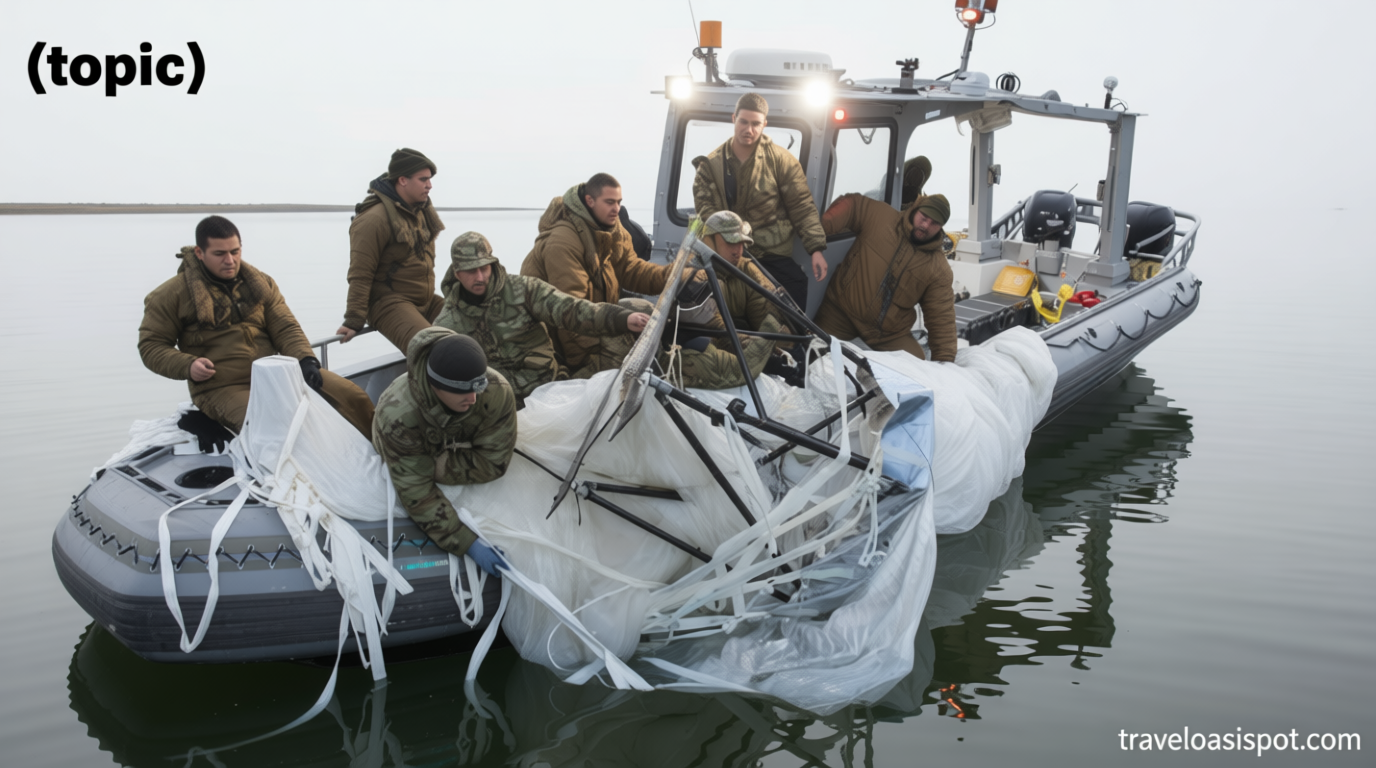
Chinese spy balloon was able to transmit information back to Beijing
Chinese Spy Balloon Was Able to Transmit Information Back to Beijing A source close to the situation informed CNN that the Chinese balloon, which traversed US airspace earlier this year, captured visual data and gathered signals intelligence from military installations. This source indicated that the balloon was capable of sending information to Beijing in real time, though the US government remains uncertain whether the Chinese authorities could erase its collected data as it transmitted it. The uncertainty leaves open the possibility that the US has yet to fully grasp the intelligence the balloon might have acquired. According to a US intelligence official, “analysis of the High Altitude Balloon’s wreckage is still in progress, but so far, its journey across the United States has not yielded major new intelligence for the People’s Republic of China.” Officials also mentioned that the US was aware of the balloon’s planned route and took steps to safeguard sensitive locations, limiting the signals it could intercept before reaching them. “Although the balloon floated across US territory, it did not pose a significant threat beyond what is already achievable through Chinese technical capabilities,” stated a senior State Department official in February. The balloon first appeared in Alaska in late January, then moved into Canadian airspace before lingering over Montana for several days. This led US authorities to suspect it was targeting classified military sites, such as Malmstrom Air Force Base. It was ultimately downed off the East Coast on February 4, an event that heightened diplomatic friction between Washington and Beijing, including the delay of Secretary of State Antony Blinken’s visit to China. US officials noted that they had prior knowledge of the balloon’s trajectory and were able to anticipate its movements. The FBI continues to analyze the balloon, with reports suggesting insights into its operational mechanisms, including its power source and the software algorithms it utilized. CNN has sought comments from the National Security Council and the Pentagon to clarify details. China has insisted the balloon was simply a weather balloon that veered off course, while the US has evaluated the likelihood it was intentionally directed into the country. However, officials believe the Chinese maintained control over its path, allowing it to hover near sensitive areas before being intercepted. Authorities have revealed that the surveillance initiative, which involves multiple balloons, is partly managed from Hainan, a small province in China. The US is unaware of the exact number of balloons in the fleet, but sources tell CNN the program has conducted at least 24 missions across five continents in recent years. A portion of these flights occurred within US airspace, though not necessarily over US soil.