Dad, 84, ‘under awful stress’ as son’s care package set to end Alphie Lonergan, 84, is facing significant strain as the care support for his two adult children—Ronan and Donall—draws to a close. Both sons, in their 40s, have severe learning disabilities and reside with their father in Loughgilly, a rural area of County Armagh. The care package, initially three hours daily, has been reduced to just one hour for Ronan since March 2024. By Friday, the full support will be withdrawn, leaving Alphie to manage both without assistance. “Thank God I’m in good shape, physically. Mentally I’m under awful, awful stress,” Alphie said, expressing concern over the upcoming challenge. Ronan’s care was cut first, resulting in fewer hours of support at home. Donall, who also has autism and obsessive compulsive disorder, now receives one hour of help each day to assist with morning routines. Alphie shared that Donall has a meticulous process: brushing his teeth three times and checking his laces six times before being ready for the day. Despite this, the reduction in care has made daily life more demanding. The Southern Health Trust acknowledged the stress caused to the Lonergan family, attributing the decision to withdraw the care package to a shortage of social care staff. While the trust is working with the family to find solutions, it noted that recruitment and retention of workers, particularly in rural regions, remain difficult. “We continue to actively pursue a range of potential options to maintain the service for this family,” the trust stated, including reviewing rosters and collaborating with other teams for additional support. Alphie’s two daughters provide some help, but the uncertainty has created a heavy burden for the entire family. “My two daughters were thrown in at the deep end from an early age,” he said. “They have their own children, they’re trying to hold down their jobs, and I have to phone them: ‘Would you come down here, I’m stuck.’ ” This added pressure is affecting their well-being. Alphie also struggles with rest, as Donall often stays awake until the early hours. “I wouldn’t be sleeping that great,” he admitted. “He’s very careful, he wouldn’t do any harm. But he walks about from room to room, closing doors. “I’m aware of it, I can’t switch off.” In November, it was confirmed that some social care staff would not benefit from the pay offer given to Northern Ireland healthcare workers. The offer, intended to prevent industrial action, covered doctors, nurses, and auxiliary staff but excluded independent homecare workers. Funding for the Real Living Wage was available, but its application to these workers has yet to be fully realized.
Strictly star will not face rape charges, police say
Strictly star will not face rape charges, police say Hertfordshire Police confirmed that an unnamed Strictly Come Dancing star, arrested on suspicion of rape in October 2025, will not be charged. The individual, whose identity has not been disclosed, was taken into custody on 13 October 2025 and released on bail. Detectives reviewed the case with the Crown Prosecution Service, concluding there was “insufficient evidence” to proceed with criminal charges. According to the police statement, the man’s bail was extended until 7 April 2026 to allow for further investigation. The arrest followed allegations of rape made against him after a BBC event, though the victim was not a contestant or professional dancer on the show. She had met the individual through his involvement in the competition. “There will be no criminal charges brought against an individual arrested by Hertfordshire Constabulary in London on Monday 13 October 2025 on suspicion of rape,” the police said. “The man, whose bail was extended on 6 January 2026, will face no further action.” The BBC dance competition, which airs from September to December, is filmed at Elstree Studios in Borehamwood. This incident does not relate to the most recent series of the show. Earlier in the year, another man connected to the program was also arrested in August on similar charges, though he was additionally suspected of “non-consensual intimate image abuse.” Additional reporting by Noor Nanji.
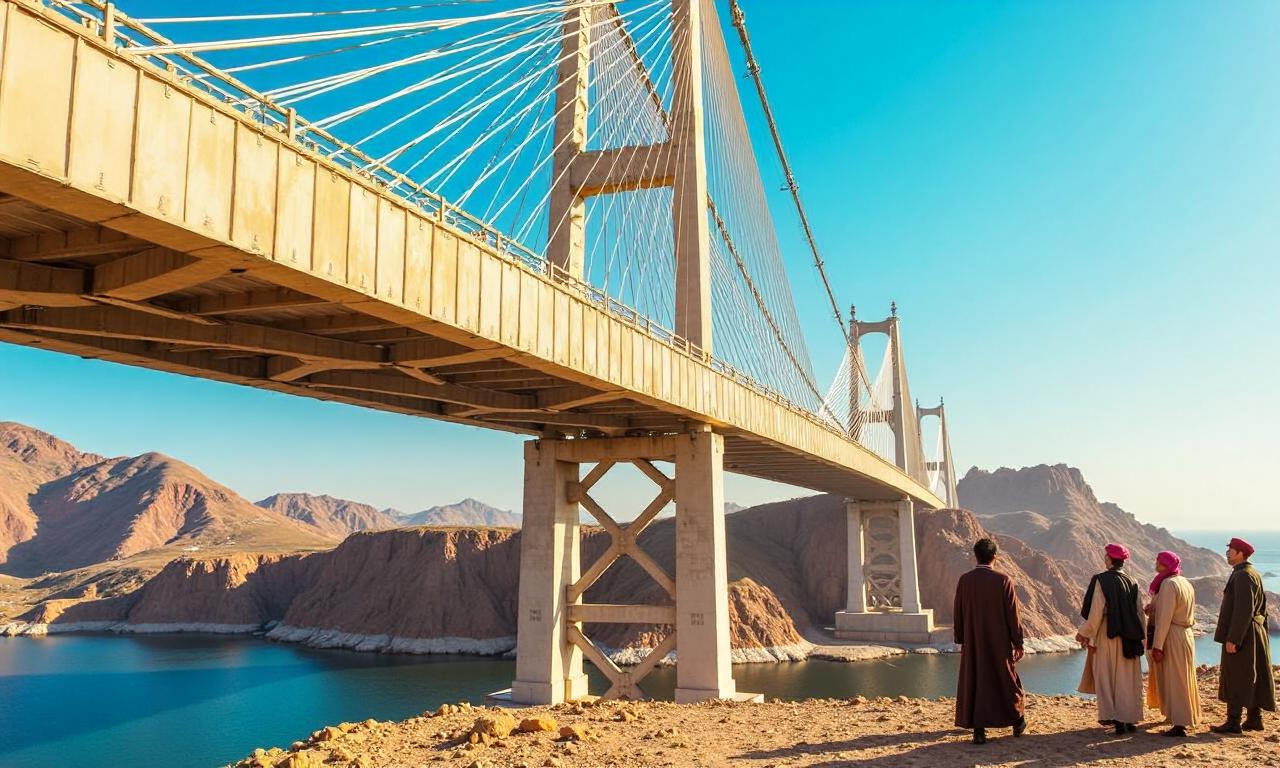
Iranians form human chains at bridges and power plants
Iranians Form Human Chains at Strategic Sites Following Donald Trump’s threat to target Iran’s civilian infrastructure, citizens have organized human chains at bridges and power plants. These demonstrations reflect public concern over potential US and Israeli strikes. The BBC’s Will Grant interviews two women whose pregnancies are deeply affected by the ongoing energy crisis. Conflicting Views at CPAC Conference At the annual CPAC event in Texas, attendees debate the impact of Operation Epic Fury, launched by the US and Israel on 28 February. While some express support, others question the strategy. The BBC’s analysis editor examines Trump’s contradictory statements on the Iran conflict. Oil Prices Surge Amid Regional Turmoil As instability persists in the Middle East, crude oil prices hit over $100 per barrel. The UK has deployed a Type 45 Destroyer to the Mediterranean after an Iranian drone struck the RAF Akrotiri runway in Cyprus on 1 March. Trump, during a press briefing, called the operation a “tremendous success” but emphasized the need to halt Iran’s nuclear development. “The operation was a tremendous success,” said US President Donald Trump, highlighting the importance of preventing Iran from advancing its nuclear capabilities. Venezuela’s Baseball Triumph and Other Reports Venezuela secured its first World Baseball Classic title by defeating the US 3–2 in the final. Meanwhile, the BBC’s Diplomatic Correspondent, James Landale, explores Ukraine’s anti-drone technology. In Manila, Suranjana Tewari reports from a petrol station amid ongoing energy challenges. The BBC’s North America editor, Sarah Smith, speaks to Gold Star mothers and veterans about the war’s aftermath. Humanitarian Visas and Defiance in Australia After Australia granted humanitarian visas to seven Venezuelans, only two opted to remain. Katy Watson of the BBC explains the split in decisions. Barbara Plett Usher visits Doha’s Souq Waqif market as regional strikes continue. The film *Retirement Plan*, voiced by Domhnall Gleeson and directed by John Kelly, is nominated for Best Animated Short Film at the 98th Academy Awards. Security Concerns and Factual Accounts BBC Security Brief’s Mikey Kay highlights Kharg Island’s strategic value for Tehran. The BBC’s Will Grant documents the aftermath of a power grid collapse in Cuba, which has left over 10 million without electricity. A US actor, who has won three Oscars, skipped the ceremony to visit Ukraine. The New York courtroom also saw the ex-Venezuelan leader defend his ability to use government funds for legal costs.

Bill Gates set to testify before US Congress in Epstein investigation
Bill Gates Set to Testify Before US Congress in Epstein Investigation Lawmakers have announced that Bill Gates, co-founder of Microsoft, will appear before Congress in June to discuss his ties with Jeffrey Epstein, a convicted sex offender. This marks the latest prominent figure to participate in the House Oversight Committee’s inquiry into the financier’s alleged misconduct. A spokesperson for Gates shared that the billionaire philanthropist is “excited to answer all the committee’s questions to support their important work.” The hearing is scheduled for 10 June. The Justice Department has disclosed millions of pages of documents related to Epstein’s activities, yet countless additional files remain unshared. These materials, including details about Gates’ communications and relationship with Epstein, were made public after a legislative mandate enacted in November by former President Trump. The law required the release of all investigative records, which is how information about Gates’ connection surfaced. Testimony and Statements During a meeting with staff from his charitable foundation, Gates addressed his links to Epstein and “took responsibility for his actions,” according to a statement from the Gates Foundation. The panel requested his testimony on 3 March, as part of ongoing efforts to examine high-profile figures connected to Epstein’s case. Earlier this year, Gates spoke with 9News in Australia, stating his interactions with Epstein were limited to dinners and that he had not visited the financier’s island. He also expressed regret, saying, “Every minute I spent with him I regret and I apologise that I did that.” “Bill spoke candidly, addressing several questions in detail,” the Gates Foundation noted. In another statement to the BBC, a representative emphasized that Gates “never attended parties with Epstein and had no involvement in illegal activities tied to him.” The spokesperson clarified that while Gates acknowledged meeting Epstein as a “serious error in judgment,” he “unequivocally denies any improper conduct related to Epstein and the horrible activities he was involved in.” Other notable figures are also set to testify. Former President Bill Clinton and his spouse, former Secretary of State Hillary Clinton, appeared before the committee in February. Commerce Secretary Howard Lutnick and former Attorney General Pam Bondi are anticipated to provide their accounts in the upcoming weeks.
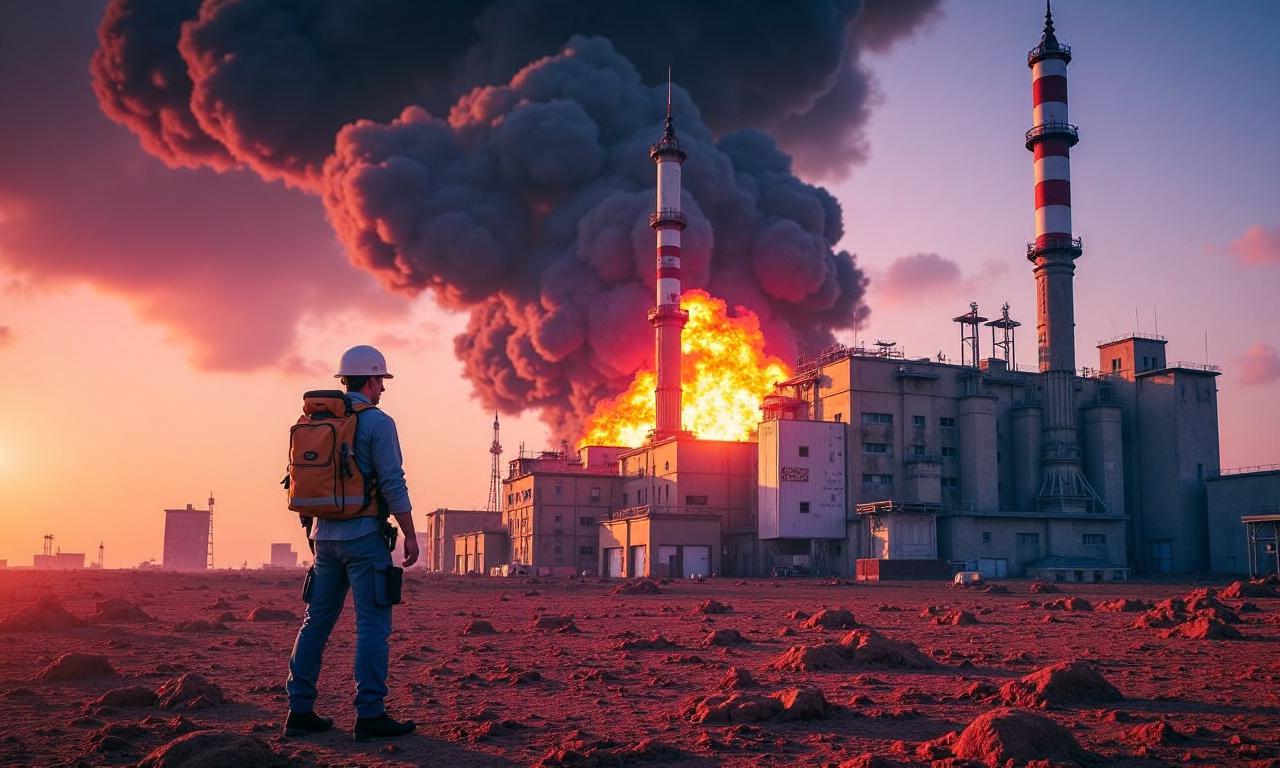
Tracking recent US-Israeli strikes on Iranian infrastructure
Tracking Recent US-Israeli Strikes on Iranian Infrastructure Recent aerial attacks by US and Israeli forces have focused on critical Iranian infrastructure, raising concerns about civilian casualties and economic disruption. Verified footage and official reports indicate strikes targeting bridges, steel plants, and pharmaceutical facilities over the past two weeks. The damage has sparked warnings from international observers about potential war crimes, though US President Donald Trump dismissed such claims during a Monday press briefing. Targeting Key Infrastructure On Thursday, US military aircraft bombed a bridge under construction in Karaj, central Iran, killing at least 13 individuals. The attack left a visible gap in the structure, with construction cranes still standing nearby. Trump later shared video of the strike, declaring that the “biggest bridge in Iran comes tumbling down, never to be used again” and hinting at further action. Israeli forces also contributed to the campaign, striking a major steel facility in Isfahan on March 27. Smoke from the blast forced operations to halt, disrupting Iran’s largest steel producer. Satellite imagery confirmed damage at Khuzestan Steel Company, the nation’s second-largest manufacturer, which could require up to a year to repair. Netanyahu claimed these strikes crippled 70% of Iran’s steel production capacity. Economic and Health Impacts Arman Mahmoudian, a researcher at the University of South Florida’s Global and National Security Institute, highlighted the economic toll of such attacks. “Steel is a cornerstone of Iran’s non-oil economic capacity,” he stated. If the strikes indeed reduced steel output by 70%, nearly 20 million tons of production would be at risk, potentially affecting 3–3.5% of Iran’s GDP. Pharmaceutical facilities have also faced targeted strikes. On March 31, the IDF claimed it hit Tofigh Daru Research & Engineering Company, a key producer of anaesthetic and cancer drugs. The attack was alleged to disrupt the company’s work with chemical substances, including fentanyl, used for weapon development. While the BBC cannot independently confirm this, the damage to the sector threatens access to essential medicines, undermining Iran’s medical independence. Damage to Educational and Religious Sites Verified images show extensive destruction at educational institutions. Shahid Beheshti University in Tehran had debris scattered around its exterior after a reported strike, with parts of the building damaged. Similarly, Sharif University of Technology was hit in an attack on the capital, according to local officials. Religious sites were not spared either. In Zanjan, an attack partially destroyed the Husseinya Mosque, killing two people and damaging a clinic and library within the complex. These strikes have intensified fears of collateral harm, with civilian infrastructure becoming a primary focus of the conflict.

Plan 2 student loan interest rates capped at 6% in England
Student Loan Interest Rates Set at 6% Cap in England Starting in the 2026-27 academic year, student loan interest rates in England will be fixed at 6%. This decision, announced by officials, aims to shield graduates from inflationary pressures linked to the Iran conflict. Skills Minister Baroness Jacqui Smith emphasized the need to “defend against the consequences of far-away conflicts in an uncertain world,” highlighting the government’s focus on mitigating risks from global economic shocks. The cap applies to both Plan 2 and postgraduate loans, which are subject to the retail prices index (RPI) plus up to 3%, contingent on income levels. Higher earners will face increased debt growth rates, as the formula for Plan 2 loans adjusts based on earnings. The rate is determined annually in September, using the RPI figure from March of the same year. Currently, the rate stands at 3.2% (RPI in March 2025) plus 3%, resulting in a 6.2% increase for the highest-earning graduates this year. Analysts suggest inflation is rising due to the ongoing Iran war, prompting the government to act. This is not the first time such a cap has been implemented. Previous restrictions were in place from July 2021 to February 2022, and again from September 2022 to August 2024, with the highest rate reaching 8%. The latest cap, however, is a temporary measure to address current financial conditions. Reactions and Calls for Reform “We know that the conflict in the Middle East is causing anxiety at home, and while the risk of global shocks is beyond our control, protecting people here is not,” said Baroness Smith. Amira Campbell, president of the National Union of Students, called the cap a “huge win” but stressed the need for broader reforms. She pointed out that further action, such as lifting repayment thresholds frozen in November’s Budget, is essential to ensure fairness. Other campaigners echoed this sentiment, welcoming the move as a start but urging more comprehensive changes. “This government have woken up to the unfairness of student loans, and are taking action to prevent our debts from spiralling further out of control,” Campbell added. Tom Allingham of the Save the Student campaign praised the government for anticipating a potential RPI spike but argued that “far more substantial changes” are needed for a just system. Similarly, Oliver Gardner of Rethink Repayment noted that the cap is “by no means a solution” to the student loans crisis. Nick Hillman of the Higher Education Policy Institute described the measure as a “stopgap” that “unlikely to assuage the concerns” of many graduates. Meanwhile, Laura Trott, the Conservative shadow education secretary, criticized the policy as “tinkering around the edges,” stating graduates will still pay interest above inflation. Earlier this year, MPs initiated an inquiry into student loans following widespread criticism of repayment terms. The inquiry was sparked by a BBC report revealing the government had compared loan payments to a £30-a-month phone contract in a presentation to teenagers a decade ago, with presenters advised to avoid using the term “debt.” Sir Nick Clegg, former Liberal Democrat leader, called the tuition fee system a “mess.” BBC analysis also highlighted that graduates are increasingly spending personal funds to repay loans, with some reporting that combined repayments and income tax have led to salary reductions.

Wireless Festival cancelled after Kanye West blocked from coming to UK
Wireless Festival Cancellation Amid Kanye West’s UK Entry Block The Wireless Festival, set for this summer, has been called off following Kanye West’s (now known as Ye) inability to secure UK entry. The Home Office denied his visa application, citing concerns over his recent public remarks. These comments, which included antisemitic, racist, and pro-Nazi statements, sparked significant backlash, leading to the decision to cancel the event. Refunds will be issued to all ticket holders, according to a statement from the festival organizers. The statement noted that multiple stakeholders were consulted before confirming West’s participation, but no objections were raised at the time. It emphasized the importance of addressing antisemitism, acknowledging that Ye’s words alone were insufficient and that he expressed a desire to engage with the Jewish community in the UK. “The Home Office has withdrawn Ye’s ETA, denying him entry into the United Kingdom. As a result, Wireless Festival is cancelled and refunds will be issued to all ticket holders.” Presale and Visa Process Presale tickets for the festival were released at midday on Tuesday and are thought to have sold out rapidly. The general sale was scheduled for Wednesday at the same time. The Home Office confirmed that West submitted an Electronic Travel Authorisation (ETA) application on Monday, which was denied on the grounds that his presence would not align with the public good. This applies to individuals who do not require a visa for short stays under six months or already hold UK immigration status. Backlash and Stakeholder Criticism In response to the cancellation, a representative from the Campaign Against Antisemitism remarked: “With no headliner and sponsors withdrawing, Wireless had to cancel. How did it come to this? It seems ‘no concerns were highlighted’ about Kanye West at booking. Who were they consulting? A wall? That’s the outcome when the only voices you listen to are those who profit.” The group also noted that the festival’s recent acknowledgment of antisemitism felt insincere, given earlier dismissiveness toward West’s recent Nazi declarations. Kanye West’s Apology and Promoter’s Defense West expressed willingness to meet with the Jewish community in the UK, stating he had been following the conversation around Wireless and was ready to “listen” in person. “I know words aren’t enough,” he admitted, “I’ll have to show change through my actions. If you’re open, I’m here.” Melvin Benn, managing director of Festival Republic, revealed efforts were made to reach out to Jewish groups after the festival’s announcement, but “they have refused a meeting.” These attempts occurred over the past few days. “Neither the Board of Deputies nor the Jewish Leadership Council has refused any request to meet with the Wireless festival organisers,” said a spokesperson for the Board of Deputies. “When we received a letter from Melvin Benn on 6 April, proposing to meet in response to our concerns, we responded positively.” The board clarified that their approval of the meeting did not mean they endorsed West’s participation. They stated that, regardless of any dialogue, the invitation for West to perform should have been rescinded. This decision is now out of the festival organizers’ hands, affecting other major UK events like Reading and Leeds. Benn argued that mental health factors, such as psychotic or bipolar episodes, could have influenced West’s recent behavior and called for understanding. “Mental health doesn’t vanish overnight,” he noted. “People suffer from these conditions for years, and many are forgetting that.”
Has Artemis II shown we can land on the Moon again?
Has Artemis II shown we can land on the Moon again? Mission Success Since its April 1st launch, NASA’s Artemis II mission has cleared all major milestones, with the SLS rocket, Orion capsule, and crew exceeding expectations set by engineers. The first six days of the mission demonstrated that the Orion capsule functions as intended when carrying astronauts—a feat no simulation could fully validate. Key Lessons and Reforms Just days after the SLS rocket arrived at Kennedy Space Centre’s launchpad, the key takeaway from Artemis II became clear. Following two delayed launches in February and March due to technical hiccups, NASA Administrator Jared Isaacman remarked that launching the SLS every three years was ‘not a path to success’ for such a pivotal mission. The uncrewed Artemis I, launched in November 2022, had already laid the groundwork, but Isaacman stressed the need to shift from treating each rocket as a ‘work of art’ to prioritizing regular, reliable flights. Critical Test Phase Thirty-six hours into the mission, a pivotal test occurred. Orion ignited its main engine for five minutes and fifty-five seconds—translunar injection burn—sending it on a trajectory to the Moon with minimal further adjustments. Dr. Lori Glaze, head of the Artemis program, called the maneuver ‘flawless,’ emphasizing its precision. The SLS generated 8.8 million pounds of thrust at liftoff, performing to plan across all key ascent phases, including maximum dynamic pressure, main engine cut-off, and booster separation. Crew Experience and System Integration What stands out, however, is the crew’s impact, fostering a renewed sense of optimism and determination in a world seeking inspiration. The crew’s interactions with the spacecraft revealed unexpected insights, such as a water dispenser malfunction requiring manual water bagging. A minor helium system redundancy loss was also noted early on but resolved discreetly. As Dr. Simeon Barber, a space scientist at the Open University, noted: “Credit to them—they got it right the first time.” These real-time challenges highlighted how human factors influence orbital mechanics, something simulations couldn’t capture. Scientific Findings and Their Impact NASA highlighted the scientific data gathered. The crew conducted thorough observations during their lunar flyby, identifying 35 geological features in real time and documenting color variations that hint at mineral composition. A solar eclipse from deep space was also recorded, with pilot Victor Glover describing it as ‘just looks unreal.’ One standout image showcased the Orientale basin—a 600-mile crater on the Moon’s far side—seen through human eyes for the first time. Yet, Professor Chris Lintott of Oxford, co-host of The Sky at Night, was blunt: “The artistic value of the images returned from Artemis and its crew is significant, but their scientific value is limited.” Looking Ahead: Challenges and Achievements Despite these achievements, the road to a 2028 lunar landing remains uncertain. The mission’s success has, however, bolstered confidence in the Orion capsule’s readiness. Engineers monitoring CO2 removal systems and testing thrusters with deliberate deactivation are building a case for the vehicle’s reliability. As Barber summarized: “Orion itself seems to have worked pretty well, actually—certainly all the propulsion stuff, which is the real critical stuff.” Meanwhile, India’s Chandrayaan-3 landed, underscoring the global interest in lunar exploration.

One gunman killed and two injured in shooting at Israeli consulate in Istanbul
Gun Attack at Istanbul’s Israeli Consulate Leaves One Dead, Two Wounded A shooting near the Israeli consulate in Istanbul resulted in one assailant being killed and two others injured, according to Turkish authorities. The incident, described by President Recep Tayyip Erdogan as a “heinous act of terror,” unfolded in broad daylight and drew a heavy police response. Initial reports mistakenly stated two attackers had died, but local governor Davut Gul later clarified that only one was fatally shot. Attackers’ Background and Connection to Terror Group Turkish Interior Minister Mustafa Ciftci confirmed the attackers arrived in Istanbul from Izmit via a rental car. He noted that two of the assailants were brothers. In a statement on X, the interior ministry identified the deceased gunman as Yunus E.S., who was linked to a terrorist organization leveraging religious extremism. While Islamic State is suspected, no group has officially claimed responsibility for the attack. “We will not allow the climate of trust in Turkey to be damaged by such vile and timed provocations as today’s,” said Erdogan, condemning the attack as a deliberate act. The injured attackers, named Onur Ç and Enes Ç, were also brothers. Meanwhile, two police officers sustained minor injuries during the gunfight—one shot in the leg, the other in the ear. The ministry reported that intensive digital communications were intercepted among the three terrorists involved, with ongoing interrogations of the wounded. Details of the Assault and Aftermath Footage from social media appears to show a lone attacker being shot by police and collapsing on the ground. Witnesses described the gunfire as “loud” and persistent for “15-20 minutes.” Unverified videos circulated online depicting police vans and a significant security presence surrounding the consulate, which remained cordoned off for several hours. Notably, no Israeli diplomatic staff were present at the consulate during the attack. Located in Istanbul’s Besiktas district, the building has been empty for over two-and-a-half years due to strained relations between Ankara and Tel Aviv over the Gaza conflict. The justice minister announced an investigation into the incident has begun.