Andy Burnham Acknowledges Lack of Full Knowledge on £4.7 Billion Defence Funding Shortfall
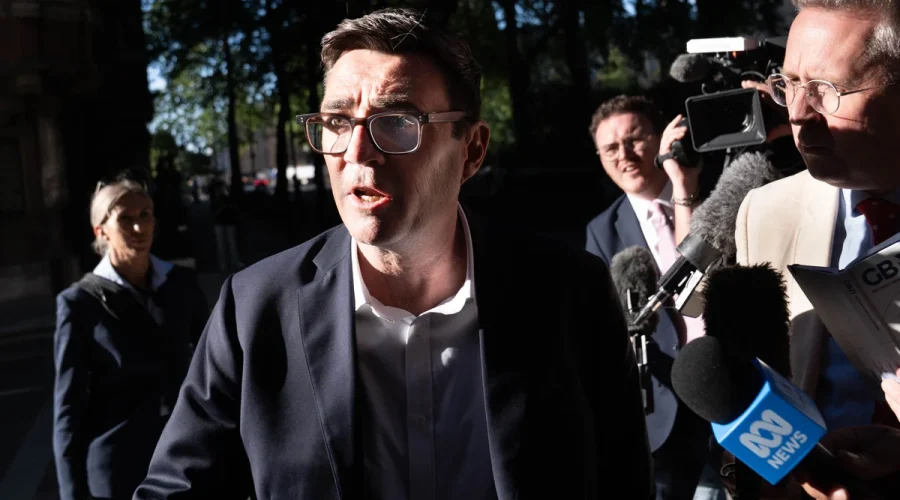
Andy Burnham did not have all – Andy Burnham, a leading figure in the Labour Party, revealed he lacked complete information about the £4.7 billion gap in Sir Keir Starmer’s defence spending plan during a recent radio interview. The admission came after the Labour leader faced scrutiny over the financial strategy of the incoming government, which aims to enhance military preparedness amid shifting global security challenges. Burnham’s comment underscores ongoing debates about transparency and accountability within the party’s leadership as they outline their economic vision for the UK.
Internal Processes and Responsibility in Budget Planning
During the LBC radio appearance, Burnham admitted he was not fully briefed on the £4.7 billion shortfall until the document was officially released. “I didn’t have all of the details,” he said, explaining that the issue was identified through internal government assessments. This highlights the complexity of coordination within the Labour leadership as they navigate budgetary decisions and public expectations for fiscal clarity.
“I wasn’t in all of the discussions, but to be fair, the Government had an internal process ongoing. I regard it as something the country has to face up to very seriously.”
Burnham emphasized that the defence investment plan was essential for national security, pointing to modern threats like drone technology and cyber warfare. While he acknowledged the funding shortfall, he maintained that the plan remains vital for safeguarding the UK’s strategic interests. “If I am in the position to do so, I will take those responsibilities extremely seriously,” he said, reaffirming his commitment to supporting the military’s modernization efforts.
Alternative Approaches to Address the Budget Gap
Burnham ruled out drastic cuts to social benefits as a solution to the £4.7 billion deficit, instead proposing targeted reforms. “I’m not going to go with the crude cuts to benefit levels that then just put people who are struggling in even worse poverty,” he argued, stressing the need for a balanced approach. This stance aligns with his broader fiscal strategy, which focuses on sustainable funding models rather than sweeping reductions.
“I’m not going to go with the crude cuts to benefit levels that then just put people who are struggling in even worse poverty, and that often creates the backlash, and understandably so.”
He also highlighted the importance of investing in education and technical training to reduce long-term costs. “I will not defend an education system that is overly focused on the university route and does not lay out paths to technical qualifications for our young people,” he stated, linking his economic priorities to the need for diverse skill development in the workforce.
Tax Reforms and Public Finance Management
Burnham suggested adjusting business rates as part of Labour’s plan to address the funding gap. “There is some room in the Labour manifesto for movement on tax,” he noted, proposing higher rates on warehouses and urban developments to ease pressure on local businesses. This approach reflects his belief in using tax policy as a tool to support both public services and economic growth without harming vulnerable groups.
“I believe there is a case for higher business rates on warehouses and the major developments we see on the outskirts of our cities so that we can cut business rates for pubs. I proposed a 20% cut and lift some high street businesses out of business rates altogether.”
He reiterated his dedication to managing public finances with discipline, ensuring that the £4.7 billion shortfall does not compromise essential social programs. “I am not indisciplined when it comes to the public finances,” Burnham added, emphasizing his intent to balance military investment with broader economic stability.
Labour’s New Central Office and Leadership Vision
Burnham also shared details about Labour’s new headquarters, “No10 North,” which will be located near Manchester Piccadilly station. The move is designed to foster closer ties with the north of England and streamline the party’s operations. “I will spend time at my new department if I become prime minister,” he said, underscoring his commitment to hands-on leadership and regional engagement.
Broader Implications of the Defence Investment Plan
The revelation of the £4.7 billion gap has raised questions about the transparency of the defence budgeting process. While the plan outlines a £15 billion increase in military spending, the omission of the shortfall has sparked discussions about the readiness of the government’s financial strategy. Burnham’s admission adds a layer of nuance to the debate, suggesting that even senior leaders may not have full visibility into all aspects of the budget before it is finalized.