Table of Contents
ToggleIran Faces Nationwide Internet Blackout Amid Escalating Protests
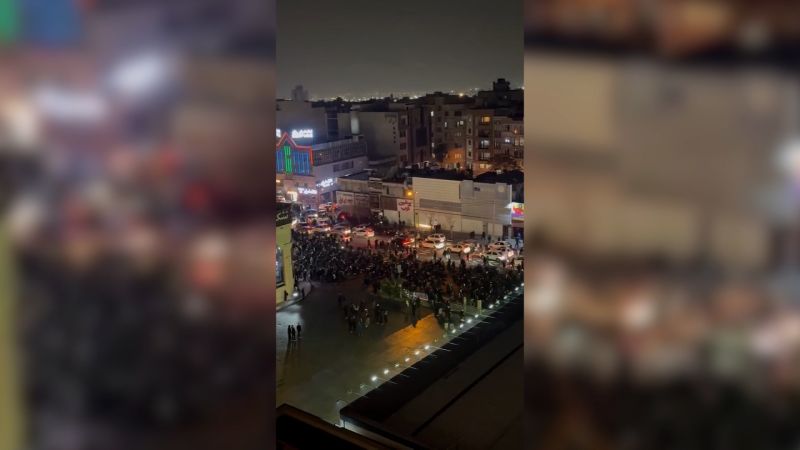
Thursday evening saw Iran plunged into a nationwide internet blackout as mass anti-government protests spread across the country. Iranians took to the streets, chanting slogans against the ruling theocratic regime, fueled by growing frustration over economic instability and security crackdowns. Authorities swiftly cut internet access and telephone lines following the protests’ outbreak in Tehran and other major cities, though the blackout did not immediately halt the sharing of protest footage, which has been circulating for over a week.
Regime’s Strategy to Control Information
“National blackouts tend to be the regime’s go-to strategy when deadly force is about to get used against protesters,” said Alp Toker, director of cybersecurity watchdog NetBlocks, speaking to CNN. “The goal is to prevent the spread of news about what’s happening on the ground and to limit international scrutiny.”
Protests have erupted in cities spanning from western Ilam, a Kurdish-majority region bordering Iraq, to northeastern Mashhad, near the Afghan border. Over 100 cities have witnessed demonstrations since the unrest began 12 days ago. Officials have relied on their established tactics of repression without addressing the root causes of public discontent. According to the Norway-based Iran Human Rights NGO (IHRNGO), at least 45 protesters, including eight children, have been killed, with hundreds injured and over 2,000 detained.
Exiled Crown Prince’s Influence
Some protesters appeared to have been inspired by calls from exiled Crown Prince Reza Pahlavi, who urged Iranians to take to the streets. A notable slogan echoed in the videos reviewed by CNN was “This is the last battle, Pahlavi will return.” In a Telegram post Friday, IRIB shared footage it claimed showed the aftermath of protests in Tehran. The video, without sound, depicted burning bikes, cars, and what seems to be the charred remains of a bus, along with a smashed subway entrance.
International Response
The unrest prompted U.S. President Donald Trump to reiterate his threat of military action against Iran. Speaking to radio host Hugh Hewitt, Trump stated, “I have let them know that if they start killing people, which they tend to do during their riots … we’re going to hit them very hard.”
State media described the protests as “scattered,” noting incidents of casualties, injuries, and damage to public and private property overnight. The situation continues to unfold with significant public engagement and international attention.
What