
Trade Body Condemns 25% UK Gambling Licence Fee Hike
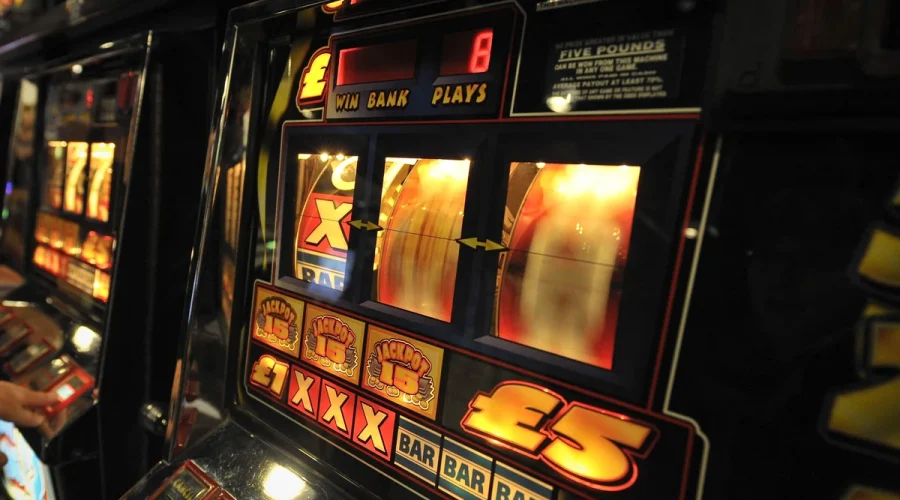
Trade Body Condemns 25 UK Gambling – The UK government’s plan to increase machine games duty by 25 per cent has sparked immediate backlash from the Betting and Gaming Council. This industry representative body, which advocates for the interests of gambling and betting operators, has expressed strong opposition to the proposed tax adjustment. The announcement, made following a public consultation phase, is set to take effect on October 1, 2026, and was unveiled by the Department for Culture, Media and Sport.
Industry Concerns Over Financial Impact
The Betting and Gaming Council argues that the tax hike will have significant consequences for local communities, particularly in terms of employment and social infrastructure. In a statement, the organization highlighted the vital role that betting shops, casinos, and other gaming venues play in supporting jobs and providing leisure spaces. The council emphasized that the increase could lead to the closure of these venues, thereby affecting thousands of workers and reducing access to safe, regulated gambling opportunities.
“We fundamentally oppose any increase in Machine Games Duty and nothing in this report justifies such a damaging policy,” the council said.
The statement further criticized the government for failing to account for the potential economic fallout of the tax change. According to the council, the proposed policy would not safeguard communities but instead harm them by driving away investment and reducing the availability of recreational facilities. The report also points to the growing illegal gambling market as a beneficiary of the tax adjustment, noting that unregulated operators pay no taxes and offer fewer consumer protections.
Call for Evidence-Based Tax Reform
Experts from the Betting and Gaming Council stressed that tax policy should be grounded in solid evidence and balanced against its broader implications. They argued that the report does not adequately address the potential loss of venues or the impact on employment, which could be severe. The council also pointed out that public opinion appears to be divided, with a majority of people surveyed opposing higher taxes on gaming machines.
“Remarkably, the report makes no attempt to quantify the venue closures or job losses its own proposals would cause,” the council added.
The council’s concerns are amplified by the fact that the machine games duty hike comes after similar adjustments to remote gaming duty and the introduction of a general gaming duty in April. These consecutive tax changes have already placed pressure on high street bookmakers and online casino platforms, raising fears of a prolonged decline in the industry’s contribution to the economy. The council warns that the cumulative effect of these measures could jeopardize the sector’s stability and its role in fostering community engagement.
Economic Contributions and Community Role
According to the council’s analysis, the regulated betting and gaming sector is a cornerstone of the UK economy, generating billions in revenue and sustaining approximately 109,000 jobs. These roles span a wide range of industries, including hospitality, retail, and entertainment, with venues like bingo clubs and working men’s clubs playing a key part in social cohesion. The council described these establishments as essential hubs for community interaction, offering not only entertainment but also opportunities for socializing and local economic activity.
“Bingo clubs, betting shops, casinos, working men’s clubs and miners’ welfare clubs play an important role in communities across the country. The regulated betting and gaming sector supports around 109,000 jobs, contributes billions to the UK economy and provides valued leisure venues for the millions of adults who enjoy betting safely and responsibly,” the statement continued.
The council believes that doubling the machine games duty would fail to protect communities and instead exacerbate existing challenges. By increasing the cost of operating gaming machines, the policy could force smaller venues to shut down, leaving residents with fewer options for leisure and entertainment. Additionally, the council warned that the rise in taxes would hurt the local economy, as these businesses are often vital sources of revenue for towns and cities.
Public Sentiment and Policy Direction
The council’s critique is bolstered by recent polling data, which reveals widespread public disapproval of the tax increase. The report highlights that people across all political affiliations have expressed their support for maintaining current tax levels, underscoring the need for a more inclusive approach to policy-making. This sentiment suggests that the government’s decision may not align with the broader interests of the population, particularly in regions where gambling venues are a significant part of daily life.
“Perhaps most strikingly, the report’s own polling shows that a majority of people, across the political spectrum, do not support increasing taxes on gaming machines. Tax policy should be evidence-led, proportionate and based on a full assessment of its impact on jobs, investment, consumers and communities,” the council concluded.
Industry leaders are now calling for a reevaluation of the tax proposals, urging the government to consider the long-term consequences of raising costs for operators. They argue that the current approach is shortsighted and risks alienating a sector that has long been a driver of economic growth and community engagement. The council also emphasized that the decision to increase machine games duty should be weighed against alternative strategies that could support both the industry and the public interest.
Broader Implications for the Gambling Sector
The proposed tax changes are part of a larger trend of regulatory pressure on the UK gambling industry. In addition to the machine games duty hike, the government has already implemented a remote gaming duty and a general gaming duty, which have affected both traditional and digital gambling platforms. These measures have raised concerns about the sustainability of the sector, with some operators warning of reduced profits and potential closures.
Industry analysts suggest that the cumulative effect of these taxes could lead to a decline in the number of gambling venues, particularly in rural and semi-rural areas where such businesses are more vulnerable. The council also highlighted the importance of a balanced approach to taxation, emphasizing that the current policy lacks a clear justification for its steep increases and fails to address the concerns of stakeholders.
Related News and Context
While the council’s focus remains on the economic and social implications of the machine games duty hike, other developments in the sports and betting world have also captured attention. For instance, the weather forecast for the upcoming England vs Mexico World Cup clash has raised questions about whether the match will be delayed due to storms. Organizers are closely monitoring the conditions, as adverse weather could impact the event’s scheduling and fan experience.
Meanwhile, the latest transfer news from the football world has seen several major moves. Arsenal’s deal with a key player has been finalized, while Manchester United and Chelsea are pursuing new signings. Liverpool, too, is exploring potential targets to strengthen its squad for the upcoming season. These developments, though unrelated to the gambling sector, reflect the dynamic nature of the sports industry and its ongoing influence on public interest.
As the government prepares to implement its tax adjustments, the Betting and Gaming Council continues to advocate for a more measured approach. The industry body believes that the current proposals could undermine the long-standing contributions of the gambling sector to the UK economy and its role in fostering community connections. With the stakes high, the council is urging policymakers to reconsider the impact of these changes before finalizing their decisions.
Looking ahead, the outcome of the machine games duty hike will depend on how effectively the government can balance fiscal responsibility with the needs of the industry and local communities. The council’s warnings serve as a reminder that well-intentioned policies must be supported by thorough analysis and a commitment to preserving the social and economic benefits of the regulated gambling sector.