
Top Non-Toxic Frying Pans for 2026: A Comprehensive Guide
Best non toxic frying pans 2026 – In an era where consumers are increasingly scrutinizing the ingredients in their meals, the focus has shifted to the tools used to prepare them. The importance of safe, non-toxic cookware has grown alongside the demand for organic and chemical-free foods. If you’re cooking with fresh, unadulterated ingredients, it’s equally critical that your kitchenware doesn’t compromise the integrity of your dishes. The 2026 market has responded with a variety of eco-friendly and health-conscious options, making it easier than ever to choose pans that align with these values.
Why Non-Toxic Cookware Matters
Historically, non-stick coatings and water-resistant finishes relied on synthetic chemicals like PFAS, PTFE, and PFOA. These materials, while effective, have raised concerns about leaching into food during cooking or releasing toxic fumes at high temperatures. Today, alternatives such as stainless steel, cast iron, and ceramic are gaining traction for their ability to provide durability and safety without compromising performance.
Recent data from John Lewis highlights a significant shift in consumer preferences. Searches for stainless-steel frying pans have increased by 31%, cast-iron by 17%, and ceramic by a staggering 60%. This trend reflects a growing awareness of the potential risks associated with traditional cookware. Similarly, Circulon, a UK-based manufacturer of premium pots and pans, found that 43% of 2,000 surveyed adults express worry about non-stick coatings peeling off and entering their meals. This hesitation underscores the need for reliable, toxin-free solutions in modern kitchens.
Key Features of Non-Toxic Frying Pans
When evaluating non-toxic frying pans, two primary factors stand out: material composition and functional design. Stainless steel offers a timeless balance of versatility and sustainability, while cast iron provides unmatched heat retention and longevity. Ceramic coatings, on the other hand, provide a PFAS-free surface that appeals to those prioritizing both health and aesthetics. Each material brings unique advantages, but the challenge lies in finding a pan that seamlessly combines safety with practicality.
For instance, a high-quality stainless-steel pan often includes a flat base with an aluminum core, ensuring even heat distribution and efficient cooking. Cast-iron pans, though heavier, excel in maintaining consistent temperatures, making them ideal for slow-cooked meals. Ceramic options are favored for their non-stick properties without the chemical additives, though they may require more careful handling to avoid scratches that could affect performance.
Top Picks for Non-Toxic Frying Pans
Below is a curated selection of the best non-toxic frying pans available in 2026, based on performance, design, and user feedback:
- Best Overall: AGA 24cm Stainless Steel Sauté Casserole – Priced at £116, this AGA pan is crafted from 18/10 stainless steel without any synthetic coatings. Its flat base and aluminum core deliver precise heat control, while the stackable design allows it to fit effortlessly in ovens or cabinets. Ideal for both everyday use and special occasions.
- Best Budget Buy: Blackmoor Sherwood Frying Pan – At £15.99, this affordable option combines durability with a sleek, modern appearance. Its non-toxic materials and ergonomic handles make it a practical choice for home cooks seeking value without sacrificing safety.
- Best for Everyday Cooking: Circulon Halo LaserDefense Non-Stick Ceramic Frying Pan – Priced at £94.99, this pan features a ceramic coating that eliminates harmful chemicals while offering a smooth, easy-to-clean surface. The stackable design and oven-safe lid make it a space-saving solution for frequent use.
- Best for Frying Eggs: John Lewis Classic Uncoated Stainless Steel Frying Pan – Available for £50, this pan’s lack of coating ensures no chemical residue transfers to food. Its robust construction and even heat distribution make it perfect for achieving perfect eggs without compromise.
- Best for Non-Stick Performance: Fissler Ceratal Comfort Frying Pan – At £125, this pan’s ceramic coating provides exceptional non-stick capabilities while avoiding synthetic chemicals. The ergonomic handles and reinforced edges enhance usability, making it a favorite among culinary enthusiasts.
Expert Insights on the Shift to Safe Cookware
“Consumer interest in non-toxic cookware has surged as awareness of PFAS—commonly referred to as ‘forever chemicals’—has spread. This heightened concern has driven demand for alternatives that prioritize both health and environmental impact,” explains Becky Firth, head of product at Meyer UK, the manufacturer of Circulon’s premium lines.
Firth adds that durability and material choice are now central to purchasing decisions. “Stainless steel remains the most adaptable option for general cooking, while cast iron is a reliable long-term investment. Ceramic coatings, though newer, are particularly popular among those seeking a non-toxic yet functional surface,” she notes. These insights reflect a broader movement toward conscious consumption, where the tools in your kitchen are as much a part of your health equation as the ingredients you choose.
User Experience and Testing Process
As someone who thrives in the kitchen but admits my husband’s skill with complex recipes surpasses mine, I approach cookware with high expectations. My focus on frying pans stems from their role as the most frequently used tool in any kitchen. To identify the top options, I evaluated each pan on two fronts: visual appeal and practical performance.
The first criterion centered on design, including materials, finish, and ergonomics. The second involved testing the pans with everyday meals. I often prepared simple dishes like stir-fries or sautés to gauge how they handled heat, retained flavor, and maintained non-toxic integrity. The results revealed clear winners across different categories, with some pans excelling in specific tasks while others offered broader utility.
Practical Considerations and Real-World Benefits
While non-toxic frying pans offer significant advantages, their performance can vary based on design. For example, a pan with a stackable lid not only saves space but also allows for seamless transitions between stovetop and oven cooking. However, some models, like those with dual handles, can be challenging to maneuver while tossing ingredients. This trade-off between convenience and functionality is worth considering when making a purchase.
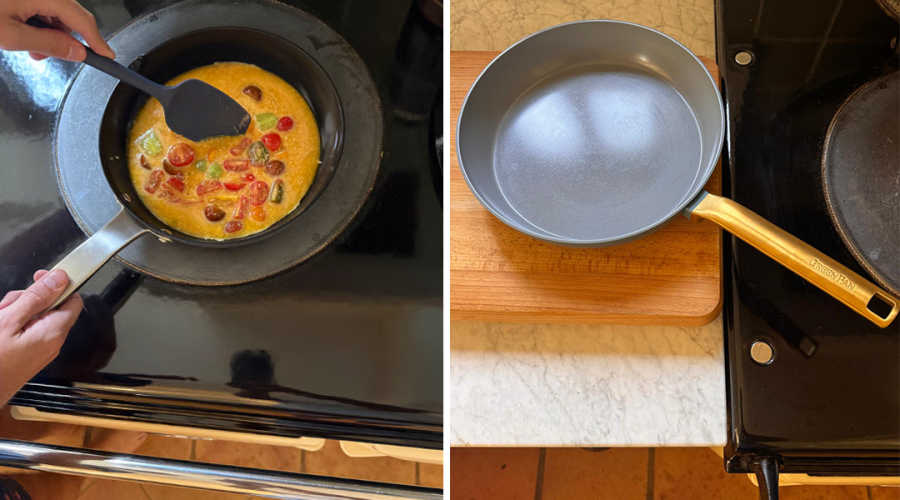
One standout example is the AGA 24cm stainless steel sauté casserole. After inheriting the AGA with my new home six months ago, I began prioritizing cookware that complements its unique cooking style. This pan’s flat base and aluminum core ensure even heat distribution, making it efficient for both quick meals and slow-cooked dishes. I tested it by preparing a sofrito mix of diced carrots, onions, and celery, then transferring it to the oven to finish. The result was a perfectly cooked bolognese that highlighted the pan’s reliability and ease of use.
Additionally, the rise of non-toxic options has made it easier to integrate sustainable practices into cooking. Whether you’re looking for a budget-friendly pan or one designed for professional-grade performance, the 2026 market has something for every need. By choosing these alternatives, you not only enhance the safety of your meals but also contribute to a healthier, more environmentally friendly kitchen environment.
For further reading, explore the latest deals on The HexClad sale, which includes a range of trusted cookware brands. The journey to non-toxic frying pans is not just about avoiding harmful substances—it’s about empowering your culinary creativity with tools that support your values.