London’s Midnight Marathon: A Sleep-Deprived Rush Hour After England’s 4am World Cup Triumph
London s lie – Monday morning in London felt more like a post-midnight slumber than a typical commute as football enthusiasts lingered in bed following England’s dramatic 3-2 victory over Mexico. The early World Cup clash, which began at 2am BST and stretched past 4am, left the capital’s usual rush hour eerily quiet, with streets and transit hubs abandoned in favor of rest. The delayed wake-up call for many workers disrupted the usual traffic patterns, creating a surreal scene of deserted sidewalks and empty Tube stations.
A City in Slumber: The Unusual Stillness of Morning Commutes
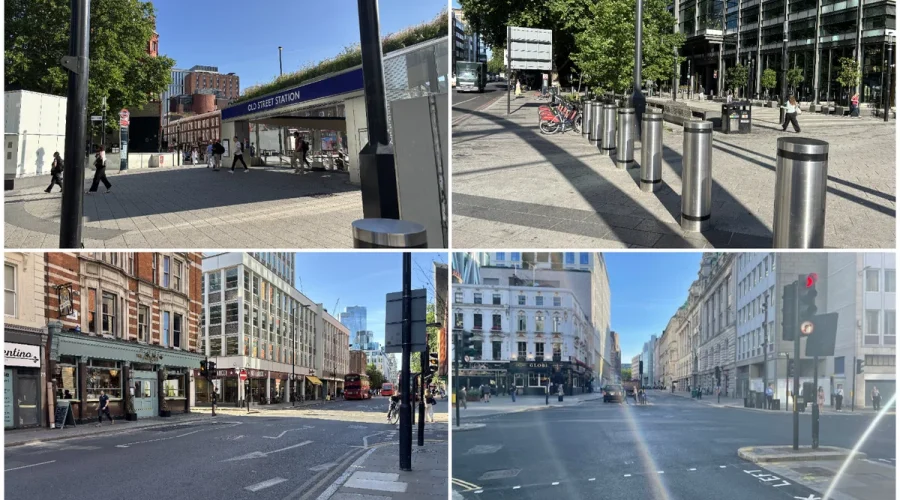
Photographs captured from Old Street and Moorgate around 8am revealed a stark contrast to the bustling routine of these areas. Typically teeming with commuters, the streets were now almost deserted, save for a few stragglers heading to work or school. At Old Street Tube station, the usual rush of passengers had subsided, with only a handful of individuals navigating the platform. Similarly, the intersection of Moorgate and London Wall, a usual hub of activity, saw minimal foot traffic just before 7:30am.
The delayed wake-up call was a direct result of England’s last-16 match, which had kept fans awake through the early hours. Many workers opted for a flexible approach to their Monday obligations, choosing to work remotely, take the day off, or arrive at their jobs later than usual. This shift in routine was particularly notable in central London, where the absence of crowds created an almost ghostly atmosphere.
From Pubs to Bedrooms: The Impact of an Unusual Match Schedule
While some Londoners chose to stay in bed, others had already transformed pubs into makeshift viewing rooms. The early kick-off time meant that venues across the city remained open until 5am, allowing fans to gather and celebrate England’s progress in the tournament. Pubs that typically filled with patrons at midday were now packed with revelers who had stayed up to witness the historic win. For those who couldn’t make it to the pubs, living rooms became the primary battleground for the match.
“The win was a long time coming,” said Ollie, a 29-year-old fan who watched the game at Boxpark Wembley. Speaking outside Wembley Stadium, he joked that he would be “very ill” by the time he needed to report to work, adding that his manager’s own absence would make the day easier. This sentiment echoed among others, with two unnamed women expressing similar plans to call in sick as they continued celebrating along Olympic Way. The phrase “pulling sickies” became a common refrain, capturing the widespread impact of the 4am spectacle on daily life.
Experts Predict a Surge in Work Absences
HR professionals anticipated a significant increase in absenteeism, with estimates suggesting over 500,000 employees would take the day off or arrive late due to the game’s unconventional timing. Alan Price, CEO of BrightHR—a company that tracks absence across 50,000 businesses—noted that the combination of sleep deprivation and groggy heads would likely lead to a productivity dip. “Half a million people are expected to call in sick, while groggy heads and lack of sleep cause a significant drop in productivity,” Price said, highlighting the broader implications of the event on the workforce.
For many, the early game was a chance to indulge in the excitement of the World Cup, regardless of the cost. Fans who had stayed up through the night to see England’s heroics at the Estadio Azteca, including the astonishing 98-second double strike by Jude Bellingham, were now reaping the rewards of their vigil. The young midfielder’s performance, which saw England play with 10 men for over 30 minutes, had become a defining moment of the tournament, prompting celebrations that spilled into the early hours.
A New Era of Celebration: The Influence of the Win
Bellingham’s words resonated with the city’s residents, as he urged people to embrace the occasion. “Kids stay off school, parents don’t go to work, enjoy your day, have the day off if you can—these nights don’t come often,” the Real Madrid star told the Press Association. His advice seemed to align with the behavior of many Londoners, who had clearly taken the day to rest and reflect on the victory.
The delayed start of the game also encouraged a cultural shift in how fans consumed the event. With pubs allowed to stay open until 5am, the line between public and private celebration blurred. While some viewers preferred the comfort of their homes, others had no choice but to stay up, either through sheer excitement or the promise of a night out. The combination of factors—early start times, late finishes, and the emotional weight of the win—had created a unique scenario for the capital.
As the sun rose on Monday, the city’s usual rhythm was altered. The absence of commuters and the lingering effects of late-night revelry painted a picture of a nation united in its exhaustion. For those who managed to rise, the day began with a mix of nostalgia and determination, as if the thrill of the match had already set the tone for the rest of the week. The event’s influence extended beyond the streets, with millions across the UK reportedly taking annual leave to mark the occasion, further emphasizing its cultural significance.
Looking Ahead: The Next Chapter for England
The 4am triumph had already sparked discussions about the team’s future, with transfer news and injury updates dominating headlines. Jordan Henderson, a key player in England’s victory, was taken to hospital after a freak accident during celebrations, raising questions about his availability for upcoming matches. Meanwhile, fans speculated on potential deals involving Arsenal’s interest in a striker and Manchester United’s pursuit of Santos, adding a layer of anticipation to the post-win mood.
As the dust settled, the question lingered: When was the last time Mexico suffered a defeat at the Estadio Azteca? For England, the answer seemed to be a long time ago, as the victory marked a turning point in their World Cup campaign. The team’s resilience, highlighted by their 10-man performance, had captured the imagination of supporters, ensuring that the city’s late-night celebrations would be remembered for years to come.
A Nation’s Sleep Deprivation: The Broader Impact
The phenomenon of Londoners staying up late to watch the game was not isolated. Across the UK, millions had joined the effort, with pubs and homes filled with fans eager to see the underdogs make history. The early start time meant that the impact extended beyond the capital, as businesses and workplaces across the country adjusted to the new schedule. For some, the experience was a rare chance to unwind, while for others, it was a test of endurance.
As the morning progressed, the city’s streets gradually filled with life, but the traces of the 4am win remained. The fusion of football, culture, and daily routine had created a moment that would be etched in memory, with Londoners reflecting on the unique way they had marked England’s progress. Whether through a lie-in or a lingering celebration, the event had proven that even the most predictable of routines could be disrupted by a night of high-stakes excitement.