Table of Contents
ToggleSlow genocide: Death and displacement continue in Gaza months into ceasefire
Despite the pause in hostilities, the health crisis in Gaza persists, leaving many without access to vital care. Najat Sayed al-Hessi, a 61-year-old resident, has waited nearly two and a half years for her cancer treatments, receiving none during that time.
“Nothing has changed for cancer patients in Gaza since the ceasefire,” al-Hessi shared with Middle East Eye, as the disease progresses unchecked in her body.
Her journey to seek care began on 7 October 2023, the war’s start, when she planned to travel to Ramallah for her medication. However, the conflict delayed her treatment, and since then, medical referrals to facilities outside Gaza have ceased entirely.
Hospitals within the war-torn region now struggle to provide basic care, including chemotherapy and diagnostic tools. Al-Hessi’s condition exemplifies the broader struggle, as nearly two million Gazans endure severe hardship three months after the ceasefire.
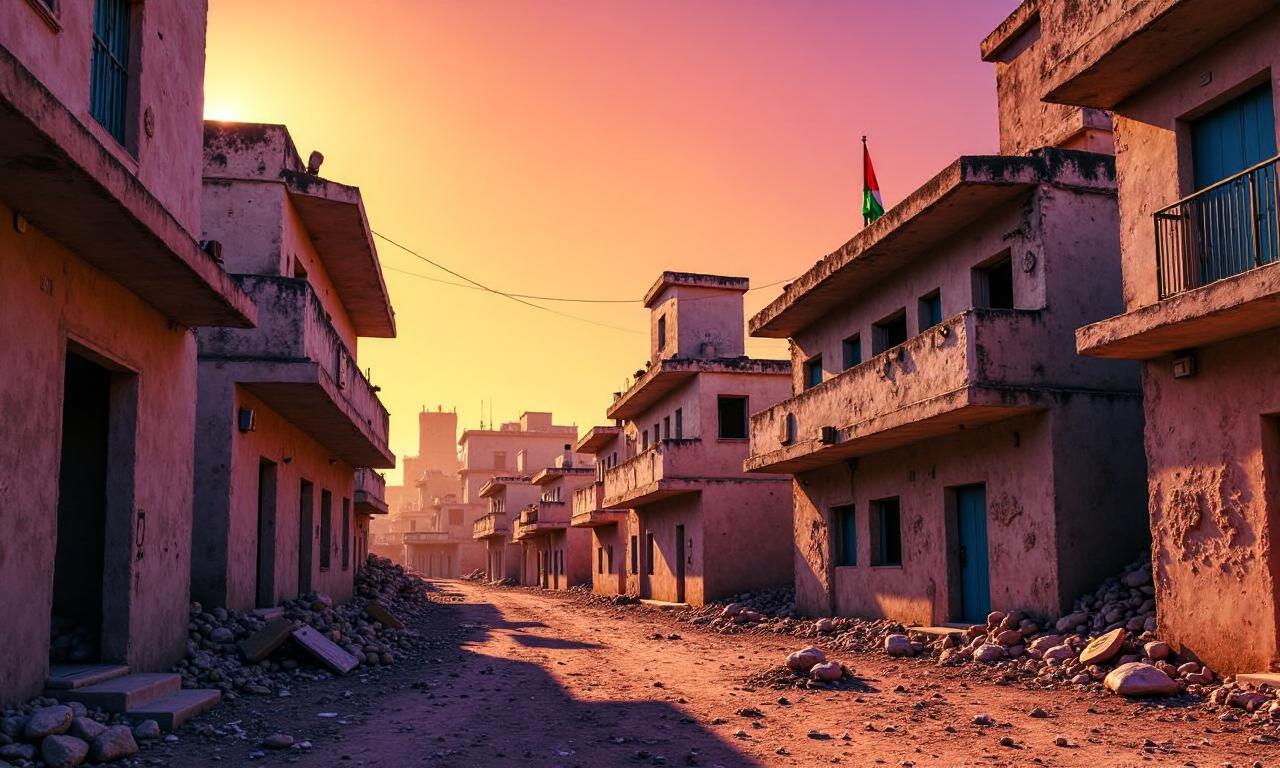
Two years of Israeli bombardments have devastated the enclave’s infrastructure, including its healthcare system. While residents expected respite from the October ceasefire, ongoing restrictions on movement and supplies have kept the suffering alive, albeit at a slower pace.
“We are still living under the same threats and circumstances, only with less noise,” al-Hessi remarked, highlighting the unrelenting pressure on civilians. Her local clinic recently denied her pain relief, offering no vitamins or medications for her osteoporosis and slipped disc.
Critical shortages cripple Gaza’s medical system
The Palestinian health ministry reported that 56% of essential drugs, 68% of medical consumables, and 67% of lab supplies are unavailable. Without proper screening, patients cannot track the disease’s spread, leaving them in uncertainty.
Dr. Muhammad Abunada, medical director at Gaza’s Cancer Centre, noted that only 30% of needed medications are accessible. “Even when available, they are often ineffective, as patients require multiple drugs for treatment,” he explained.
Before the war, one cancer patient died daily in Gaza. Now, two or three perish each day, with many unable to leave for care abroad. The death rate has surged, underscoring the crisis faced by thousands.
UNICEF data reveals the mortality rate among newborns has risen by 75% in the war’s final three months. Between July and September, 47 infants died monthly, double the 2022 average. These grim figures persist as Israeli artillery and gunfire continue to claim lives daily.
Forced displacement remains a constant threat, with dozens of families losing homes to military incursions and land annexation. The ceasefire has not ended the slow, systematic toll on Gaza’s population, as al-Hessi’s story illustrates.