What has happened to the Duke of Sussex’s other legal claims?
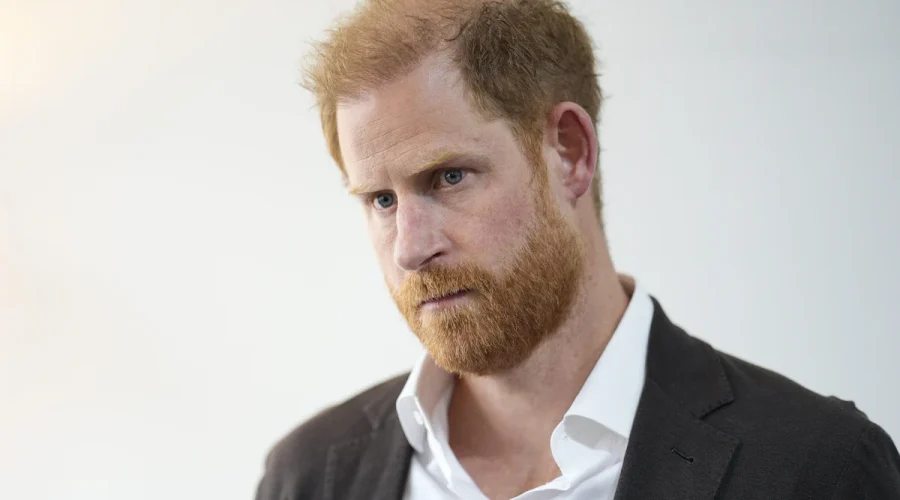
Traveloasisspot.com – Prince Harry is poised to learn the verdict of his ongoing case against Associated Newspapers Limited, a lawsuit centered on allegations of unlawful information gathering. This legal matter is part of a broader pattern of litigation involving the Duke of Sussex in recent years, spanning from privacy breaches to defamation disputes. As he prepares to return to the UK, the outcome of this case will add another layer to his legal journey, which has seen him engage with prominent figures and institutions.
Legal Actions Against the Daily Mail Publisher
Harry, alongside notable personalities such as Baroness Doreen Lawrence, Sir Elton John, and his husband David Furnish, has brought a collective legal challenge against Associated Newspapers Limited (ANL). The 11-week trial in London, which concluded in early 2025, was a pivotal moment for the group, who argued that private investigators, freelance journalists, and ANL employees engaged in intrusive practices. These included voicemail interception, landline tapping, and deception to obtain sensitive information.
“I am determined to hold Associated accountable,” Harry stated in his witness statement, emphasizing his resolve to confront the publisher for what he described as a years-long cover-up. “Why should they get away with something they have lied about for however many years?”
ANL has steadfastly denied all accusations, asserting that the information used in the articles was obtained through legitimate means. In his written submissions, Antony White KC, representing the publisher, noted that the stories were “sourced entirely legitimately from information variously provided by contacts of the journalists responsible, including individuals in the Duke of Sussex’s social circle, press officers, and publicists.”
The trial, which focused on Harry’s claim of illegal surveillance, culminated in a ruling expected to be delivered at 2 p.m. on Tuesday. This case marks one of several legal battles Harry has faced, each highlighting his commitment to defending his privacy and the integrity of his personal relationships.
Libel Claims from a Co-Founded Charity
A separate legal matter involves Harry’s defamation lawsuit against Sentebale, the charity he co-founded in 2005. The case, currently in progress, centers on allegations that Harry coordinated a “adverse media campaign” to damage the organization’s reputation. Alongside former trustee Mark Dyer, Harry is defending himself against claims of operational disruption and reputational harm, which the charity’s board attributes to his actions.
“The court has been asked to provide protection against the defamation,” stated Sentebale’s board in their submissions, accusing Harry of orchestrating a strategy to “undermine” their credibility through media manipulation.
Harry has dismissed these claims as “offensive and damaging,” asserting that they are motivated by a desire to shift blame for the charity’s challenges. The lawsuit, which includes a high-profile group of trustees who resigned after a conflict with the chairwoman, Dr. Sophie Chandauka, underscores the complexity of his legal battles and the role of public perception in shaping them.
Earlier in 2025, Harry reached a settlement with News Group Newspapers (NGN), the publisher of The Sun and the now-defunct News of the World. The agreement, finalized before an upcoming trial, included a “full and unequivocal apology” and “substantial” damages. This settlement addressed past allegations of intrusion by private investigators between 1996 and 2011, as well as phone hacking and misuse of private information by journalists and investigators.
“We have agreed to terms that acknowledge the harm caused by these unlawful activities,” said a statement from NGN, which also extended an apology for the impact on the private life of Harry’s late mother, Diana, Princess of Wales.
Challenge Against the Home Office on Security Arrangements
In 2024, Harry faced another legal front when he contested the Home Office’s security arrangements for himself and his family during their visits to the UK. This case, heard in the High Court, aimed to challenge the adequacy of measures taken to protect the royal family from potential threats. Despite his efforts, the Home Office emerged victorious, with the court ruling that their protocols were sufficient.
The lawsuit highlighted concerns about the balance between public interest and personal privacy, as Harry sought to ensure that his family’s safety was prioritized. This victory, however, does not signal the end of his legal pursuits, as he continues to navigate a series of cases that have drawn attention to his role as a public figure.
A Timeline of Harry’s Legal Struggles
From 2001 to 2013, Harry’s legal battles against ANL were fueled by his belief that the publisher’s methods were invasive and deceptive. During the trial, he presented evidence of “knowingly false” information being inserted into articles to mislead readers. This tactic, he claimed, was used to cover up unlawful practices, including voicemail interception, which left him and his wife, Meghan Markle, feeling “a misery” as their private lives were scrutinized.
“The publisher continued to come after me,” Harry said in court, describing the relentless nature of the investigations. “They didn’t just stop at my wife; they targeted my social circles, too.”
His testimony, delivered in January 2025, was emotional, with the duke appearing on the verge of tears. This moment captured the personal toll of his legal actions, which have extended beyond mere financial compensation to include a fight for public accountability.
Broader Implications of Harry’s Legal Cases
Harry’s legal challenges reflect a growing trend of high-profile individuals seeking redress for media intrusion and reputational damage. The cases against ANL and NGN, as well as his libel claim with Sentebale, highlight the intersection of personal privacy and public interest. Each lawsuit has not only tested his legal acumen but also raised questions about the ethics of media practices in the digital age.
While the outcomes of these cases may vary, they collectively underscore Harry’s determination to hold those who invade his privacy accountable. His efforts have also sparked broader conversations about the responsibilities of publishers and the rights of individuals in the public eye. Whether these claims will lead to lasting changes remains to be seen, but they have already reshaped the narrative around his legal legacy.
As Harry returns to the UK, the ongoing cases serve as a reminder of the multifaceted nature of his legal journey. From combating unlawful surveillance to defending his role in a charity, each step reveals a deeper commitment to safeguarding his personal and professional life. The decisions that follow could set important precedents for future cases involving media and public figures, ensuring that the balance between freedom of expression and individual rights is continually reevaluated.