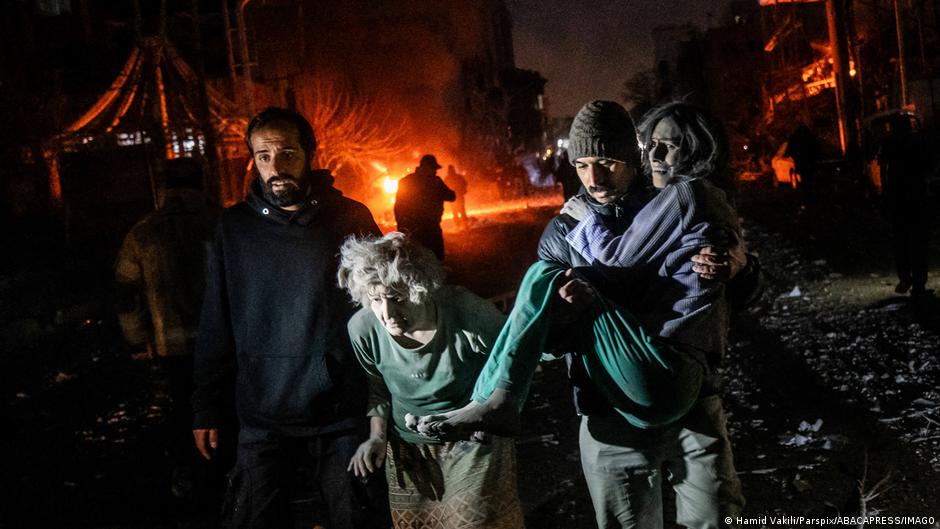
Africa urges restraint as US-Israel strikes escalate tensions in Iran
Recent US and Israeli military actions against Iran have sparked varied reactions across African nations. While some countries have criticized the strikes, others have maintained a neutral stance. Many African leaders have cautioned Iran against responding with retaliation, fearing the consequences for regional stability.
Protests have broken out in several Nigerian states, including Gombe, Niger, Kano, Bauchi, Yobe, and Sokoto, after an Israeli airstrike killed Iran’s Supreme Leader, Ayatollah Ali Khamenei, during a joint operation with the US. Nigeria hosts the continent’s largest Shiite population, a group that often looks to Khamenei for spiritual leadership. Despite the unrest, the Nigerian government has adopted a measured approach, avoiding clear alignment with either Iran or the US-Israeli alliance.
Abuja has focused on reducing tensions, promoting diplomacy, and highlighting the risks of prolonged conflict. The city has warned that escalation could disrupt stability in the Gulf region and affect Africa’s economic outlook. Nigeria, alongside Kenya, has raised concerns about the spread of insecurity and its impact on African economies. Both nations have called for renewed diplomatic efforts to prevent further militarization.
The economic implications of rising oil prices have drawn attention from African leaders. Conflict in the Middle East disrupts global supply chains, causing fuel costs to surge. This, in turn, pressures transportation, manufacturing, and household budgets. African economies, particularly those reliant on oil imports, face inflationary risks and trade deficits. Oil exporters like Nigeria, Angola, and Libya also feel the strain, as their budgets depend on volatile global energy markets.
South Africa and Ghana have voiced worries about the financial fallout from Middle East tensions. The nation’s leaders fear that increasing fuel costs could worsen inflation, especially in countries already struggling with economic challenges. The African Union has echoed these concerns, warning that the conflict threatens broader peace and the financial security of vulnerable states.
In Chad, President Mahamat Idriss Deby Itno has taken a unique position. He expressed support for Iran’s leadership while condemning its attacks on Gulf allies like the UAE and Qatar. This dual stance has drawn domestic criticism, with some accusing him of complicating the situation in a high-stakes conflict. Deby first posted a message endorsing Iran’s Supreme Leader on Facebook, then later publicly denounced the retaliatory strikes.
“Every position is open to interpretation in such an explosive context,” said Dr. Evariste Ngarlem Tolde, a political scientist. “Deby’s intervention has harmed presidential communication at a critical moment.” Tolde added that Iran holds far less strategic value for Chad than the US or Israel, making the president’s stance a risky move.