Two Drill Rappers Convicted in Teenager’s Murder Tied to Social Media Rivalry
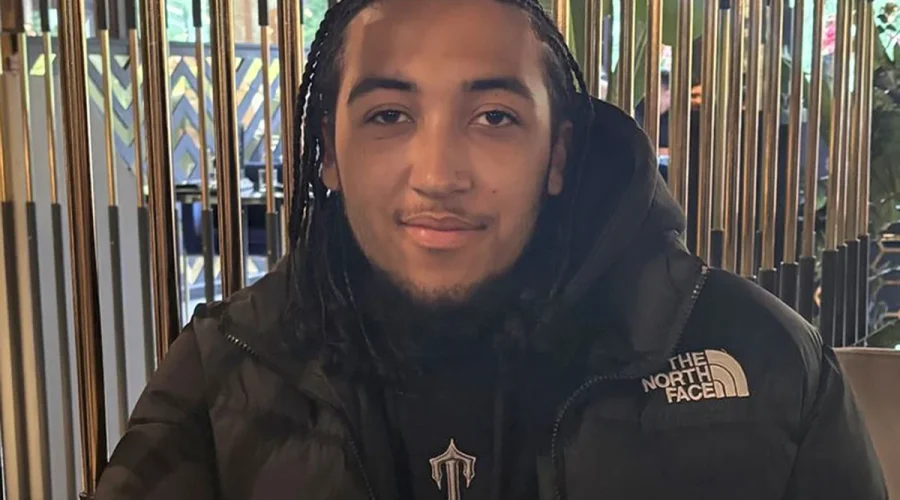
Two drill rappers found guilty of murdering – On June 26 last year, a tragic incident unfolded in Enfield, London, when 18-year-old Keanu Harker was fatally shot during a confrontation linked to a gang-related feud. The court recently confirmed the convictions of two young men, Tayvon Etefia and Emmanuel Popoola, both 18, for the murder and possession of a firearm with intent to endanger lives. The case, which spanned a six-week trial at the Old Bailey, has brought attention to the role of social media in escalating youth violence.
A Gang-Linked Shooting in Enfield
Keanu Harker, who was cycling at the time, was struck in the head and chest by a bullet fired from a self-loading pistol while riding an e-bike with his friend Emmanuel Popoola. The pair had been engaged in a heated argument on Snapchat earlier that day, during which comments were made implying that Popoola could not afford mobile data for his phone. This seemingly minor dispute escalated into a fatal act, highlighting the volatile nature of gang conflicts in the area.
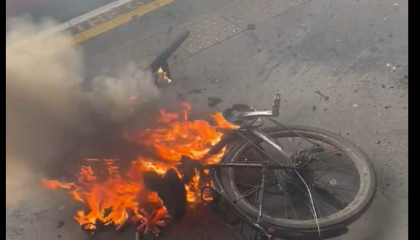
Following the shooting, the suspects fled to Enfield Town Park, where they discarded the e-bike, their clothes, and a machete. Eyewitnesses reported seeing them walking away from the park, both wearing balaclavas despite the warm weather. A woman noticed one of the men—later identified as Etefia—had stripped to shorts and a t-shirt, with a gun-shaped object in his pocket. The pair was eventually picked up by an associate, Eliezer Mbaki, in a black Ford Focus, which transported them away from the scene.
The Trial and Sentencing Process
After a six-week trial, the jury reached its verdict on Monday, July 6, convicting both Etefia and Popoola of murder and weapon possession. They are set to face sentencing on July 9 and July 10, marking the culmination of a thorough legal process that relied heavily on surveillance footage and witness accounts. The trial revealed the extent to which the suspects used their social media presence to fuel tensions, with drill rap videos later showcasing their boasts about the killing.
During the proceedings, prosecutors emphasized the role of the Enfield gangs, 3×3 and Get Money Gang (GMG), in the incident. The court heard that the shooting was a direct result of a rivalry between these groups, which had been amplified by online interactions. Popoola, who had fled to Paris days after the crime, was eventually extradited back to London, where he faced charges alongside Etefia. His girlfriend, 19-year-old Anais King, was also implicated in the case, accused of aiding the offender’s escape.
The Family’s Emotional Statement
“Our son had just turned 18 when these individuals decided to take his life. We are grateful that some measure of justice has been served, but no amount of time they spend in prison will ever be enough for us. We have been left with a lifetime of pain and loss that can never be undone,” the family stated.
Mr. Harker’s family expressed deep sorrow over the loss, describing their anguish as “unimaginable.” They called on young people to distance themselves from gang culture, warning that without urgent intervention, more lives would be lost to senseless violence. Their statement also thanked the police for their relentless efforts to track down the suspects, as well as the public for providing critical information during the investigation.
“While nothing can ever bring our son back, we hope his story serves as a reminder of the devastating consequences of violence and that it encourages people to help prevent other families from experiencing the same heartbreaking loss,” the family added.
The emotional toll of the case extended beyond the courtroom, prompting calls for systemic changes in how gang activity is addressed in communities. The family emphasized the need for stronger measures to protect youth, arguing that the current cycle of violence must be broken before more tragedies occur. Their words underscored the personal impact of the crime, as they mourned not just a loss of life, but the future Keanu Harker was poised to build.
The Evidence and Aftermath
The court’s investigation relied heavily on CCTV footage and the testimonies of those present at the scene. In the days following the shooting, detectives reviewed hundreds of hours of video from Enfield Town Park, where the suspects had been seen minutes before the murder. The footage captured Popoola displaying an object from a plastic bag, which detectives determined concealed the weapon used to kill Keanu.
One of the key pieces of evidence came from a 16-year-old boy who had been with the killers earlier that evening. He was tasked with retrieving the e-bike from the park, a detail that helped establish the timeline of events. The suspects’ swift escape and the subsequent identification of Etefia and Popoola were pivotal in securing their convictions. The case also highlighted the role of technology in modern gang disputes, as social media platforms like Snapchat became a battleground for rivalries that spilled into real-world violence.
Extradition and the Role of the Girlfriend
Popoola’s journey to Paris became a focal point of the trial. After the shooting, he traveled on a one-way Eurostar from London St Pancras to the French capital, aided by his girlfriend, Anais King. Detectives monitored his movements, and French authorities later intercepted King as she attempted to join him. Popoola was arrested in Paris, while King was charged with assisting an offender. Her role in facilitating the escape underscored the interconnectedness of gang members and their networks across borders.
Etefia’s arrest was equally significant. Despite his attempt to flee, he was intercepted by police in a black Ford Focus minutes before the train departed. This swift action demonstrated the effectiveness of surveillance and the importance of public cooperation in solving crimes. The case also revealed how gang activities often involve strategic planning, with members using transportation and communication to avoid detection.
A Broader Context of Gang Violence
The conviction of Etefia and Popoola is part of a larger pattern of youth violence in London. Earlier this year, two other men were jailed for stabbing a journalist in a play area, and another case involved a stabbing believed to be carried out on behalf of the Iranian state. These incidents reflect the persistent threat posed by gang culture, which continues to claim lives and disrupt communities.
While the specifics of Keanu Harker’s murder are unique, they mirror the broader issues facing young people in Enfield and beyond. The use of social media as a catalyst for conflict, combined with the availability of weapons and the influence of gang hierarchies, creates an environment where violence can erupt with alarming frequency. The court’s decision to convict the suspects serves as both a reckoning and a warning, reinforcing the need for stricter gun control and early intervention programs to curb gang-related violence.
As the sentencing date approaches, the community awaits justice for Keanu Harker and his family. The case has sparked conversations about the impact of gang culture on London’s youth, with many calling for a multifaceted approach to address its root causes. From the initial argument on Snapchat to the final verdict at the Old Bailey, the journey of this tragic event underscores the complex interplay of digital communication, real-world violence, and the enduring legacy of gang disputes in shaping lives and communities.