Nigel Farage’s By-Election Stunt Sparks Financial Scrutiny
Political Backlash Over Financial Scrutiny
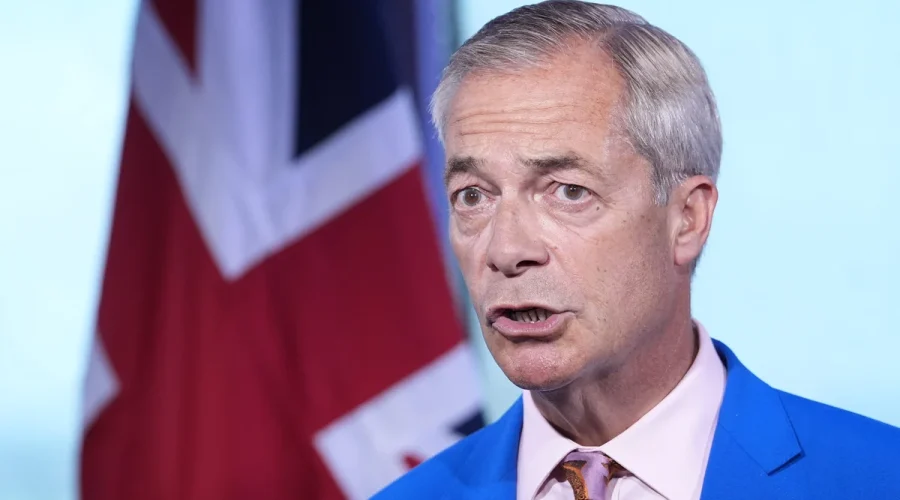
Traveloasisspot.com – Nigel Farage, the leader of Reform UK, has ignited debate by resigning from his role as MP for Clacton, prompting a by-election that critics argue is a calculated attempt to redirect focus from financial inquiries into his practices. The move follows reports of undisclosed gifts and potential conflicts of interest, with opposition voices suggesting it is more about salvaging his reputation than addressing systemic issues. While Farage maintains he is blameless, his resignation has amplified calls for transparency, especially as his party faces mounting pressure over its financial dealings.
Farage’s by-election campaign is framed as a grassroots effort to challenge the political establishment, echoing his previous rhetoric against other leaders. “This is a chance to tell the Establishment where to go,” he asserted, claiming the media has unfairly targeted him. However, his allies and opponents alike are now scrutinizing the strategy. Reform UK’s rivals, including Rupert Lowe of Restore Britain, have called it a “sham,” arguing it undermines the core message of accountability. Despite this, Farage remains resolute, insisting the move will empower voters to reclaim political authority.
Strategic Resignation and By-Election Ambitions
Farage’s resignation was intended to create a political event, with the goal of capturing public attention and potentially securing a seat in the upcoming by-election. However, his constituents are now questioning whether this maneuver will benefit or burden their community. The Liberal Democrats urged the government to delay the resignation, emphasizing the need for clarity on financial matters before voting. Meanwhile, Labour and the Conservatives have united in their criticism, viewing the by-election as a distraction from parliamentary standards investigations.
The stakes are high for Reform UK. Farage’s departure could weaken his party’s position, but his by-election bid also highlights his willingness to take risks. His supporters are split: some see it as a bold step to reclaim public trust, while others fear it may isolate him from the mainstream. As the campaign unfolds, the focus will be on whether Farage’s strategy can shield him from the allegations or expose new vulnerabilities in his financial record.
Financial Allegations and Legal Precedents
At the heart of the controversy is a £5 million donation from Reform UK donor Christopher Harborne, which Farage received before becoming an MP. Under parliamentary rules, new MPs must declare gifts exceeding £300 linked to political activities, a regulation that Farage’s resignation temporarily suspends. This creates a legal loophole, as the investigation into Harborne’s gift will resume if Farage wins the by-election. The case draws comparisons to the 1999 scandal involving Jonathan Aitken, a former Conservative minister who was jailed for perjury and perverting justice.
“It’s a chance to stick two fingers up to the entire Establishment to frankly tell them where to go.”
Farage’s financial arrangements also include George Cottrell, a long-time ally allegedly involved in undisclosed funding for staff and security. Cottrell reportedly managed social media campaigns and provided access to a historic property near Buckingham Palace. These links to potential conflicts of interest have drawn sharp criticism from Labour and the Liberal Democrats, who are pushing for a full review of the funding sources. The Electoral Commission and Parliamentary Standards body now face pressure to assess the validity of these claims.
Media Criticism and Historical Parallels
Farage’s defense of the media has drawn comparisons to past controversies. He once accused Jonathan Aitken of engaging in “bent journalism,” a critique that later collapsed when Aitken admitted to using his wife’s funds for a £1,000 hotel bill in 1993. This historical precedent suggests Farage’s current stance may be a strategic move to avoid similar scrutiny. Analysts argue that his resignation could be a calculated gamble, leveraging public sentiment to deflect from his own financial ties.
The by-election has become a focal point for broader debates about transparency in politics. Critics highlight that Farage’s actions mirror the tactics he once used against others, raising questions about consistency. As the campaign progresses, the key issue will be whether his supporters believe the move is a necessary fight for integrity or a convenient distraction. The outcome could shape the future of Reform UK and