UK Government Investigates Dozens of Petrol Stations for Live Price Reporting Delays
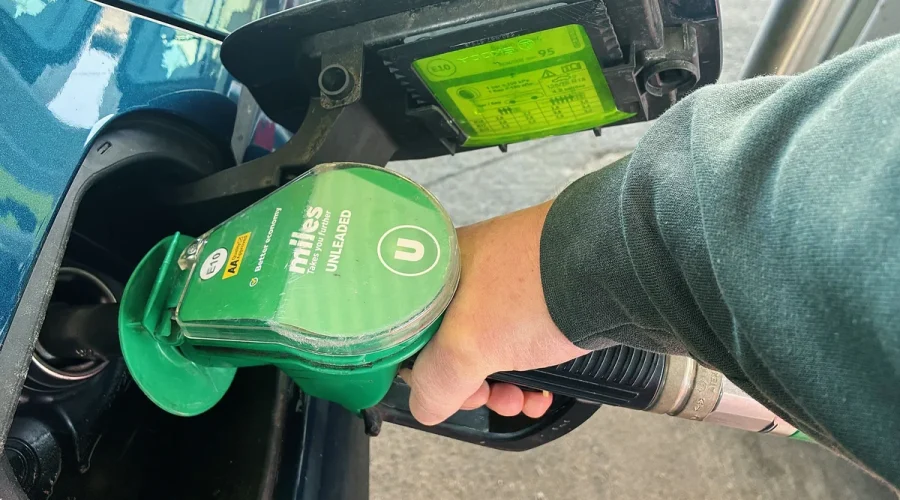
Hundreds of petrol stations probed for not – The UK government is examining multiple petrol stations for failing to update fuel prices in real time, as part of its effort to ensure transparency and competitive pricing. Chancellor Rachel Reeves highlighted the issue during a recent address, noting that the Competition and Markets Authority (CMA) has already issued warnings to over 1,751 stations for not adhering to the requirements of the Fuel Finder initiative. This system, designed to help drivers locate the cheapest fuel, has faced challenges as some operators lag in submitting price data, raising questions about its effectiveness in the current market.
CMA’s Compliance Monitoring Efforts
The CMA, which oversees fair market practices, has mandated that all UK petrol stations report price changes within half an hour of occurrence since February 2. However, recent data from the Press Association indicates that nearly 1,751 stations have not uploaded their prices for over a week, while 96 remain inactive for at least a month. These delays have sparked concerns about the system’s ability to reflect real-time market dynamics, especially as consumers rely on it to make informed decisions.
Reeves emphasized that the CMA’s role is critical in enforcing these rules, and businesses that neglect their obligations risk undermining the scheme’s purpose. The initiative, launched in collaboration with technology firm VE3, aims to standardize price reporting and foster healthier competition among retailers. Despite its goals, inconsistencies in data submission suggest that enforcement remains a key challenge.
Consumer Implications of Non-Compliance
Non-compliance with the Fuel Finder requirements has led to higher prices at some stations, impacting drivers’ ability to save money. Starmer, the Prime Minister, had previously praised the scheme for its role in pushing retailers to update prices promptly, which helps consumers choose the most affordable options. Yet, the latest figures reveal that 410 of 2,229 supermarket-run stations have not uploaded updates for at least a week, complicating the system’s success.
Additionally, 226 forecourts listed on Fuel Finder are either not submitting data or are temporarily closed. These lapses highlight how some operators are not fully engaging with the system, despite its potential to reduce costs for households. Reeves warned that stronger measures, including fines, may be necessary to address ongoing issues, ensuring that the platform delivers its intended benefits.
Fuel Finder’s Origins and Objectives
The Fuel Finder initiative was established in July 2023 following the CMA’s findings that competition among fuel retailers had weakened since 2019. This decline led to higher prices at supermarkets, prompting the government to create the platform as a tool for fair pricing. By requiring real-time updates, the system aims to level the playing field and empower consumers with accurate information.
Ministers had initially projected that Fuel Finder would save UK households an average of £40 annually. However, current delays in price reporting suggest that this goal may not be fully realized. Reeves stressed that the CMA has the authority to enforce compliance, underscoring the importance of holding businesses accountable to maintain the system’s integrity and effectiveness.
Challenges for Rural and Independent Stations
Smaller, independent petrol stations have raised concerns about the practicality of real-time price reporting. The Petrol Retailers Association noted that many rural stations receive fuel deliveries only once a month, making frequent updates logistically demanding. While the system is designed to benefit all operators, these smaller businesses face unique hurdles in meeting the requirements, potentially affecting their competitiveness.
Reeves acknowledged these challenges, stating that the CMA is working to address them. She emphasized that the government is committed to balancing accountability with flexibility, ensuring the initiative remains viable for both large and small operators. This approach is vital for sustaining consumer trust in the platform’s ability to drive down fuel costs.
The ongoing scrutiny of petrol stations underscores the broader debate about market transparency. As the CMA continues its efforts, the success of Fuel Finder will depend on consistent compliance and effective enforcement. With inflation still affecting households, the initiative’s ability to deliver savings remains a key priority for the government and regulators alike.