Escalation in the Persian Gulf: Trump Warns of Deeper Conflict as Iran Strikes Back
Traveloasisspot.com – America’s military forces have reportedly struck approximately ninety separate locations throughout Iran, prompting President Donald Trump to caution that the ongoing tensions might intensify considerably. This development follows a second consecutive day of aggressive military actions, during which Iran directed its retaliatory fire toward several neighboring nations including Bahrain, Kuwait, and Qatar in the early hours of Thursday morning.
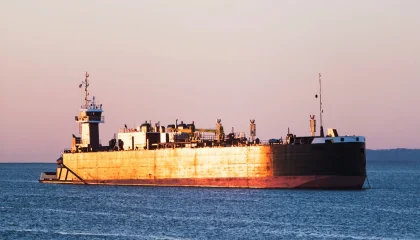
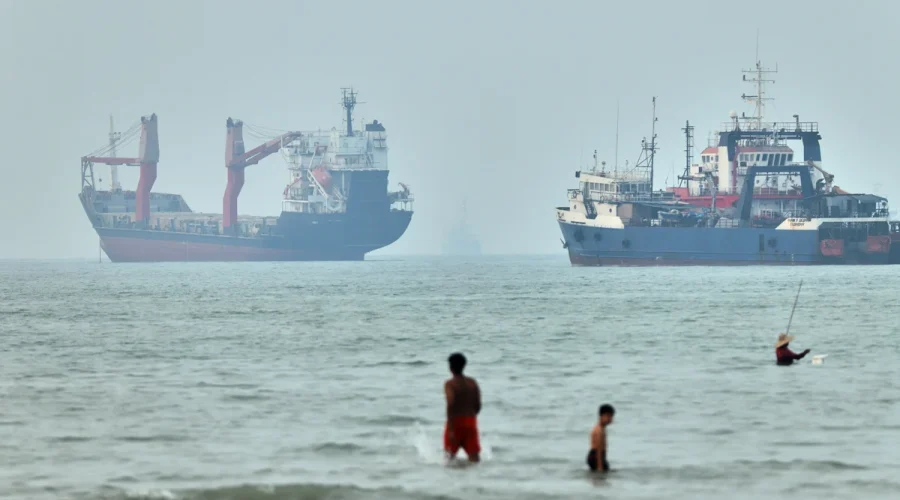
According to statements released by US Central Command, the coordinated strikes were specifically designed to diminish Iran’s capacity to challenge freedom of navigation through the strategically vital Strait of Hormuz. The renewed hostilities commenced on Tuesday when Iranian forces targeted three commercial tankers operating within this critical maritime corridor, which has emerged as a significant flashpoint within the currently fragile truce arrangement.
Military Operations and Regional Response
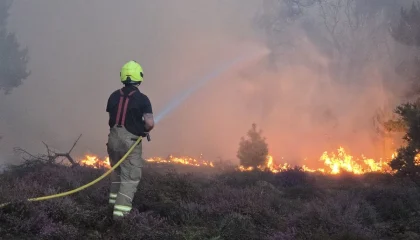
A formal statement from Central Command emphasized that American forces “remain vigilant, lethal, and prepared to execute operations directed by the Commander in Chief.” The military operation reportedly encompassed more than sixty small vessels operated by the Islamic Revolutionary Guard Corps. Iranian state television broadcast reports of explosions occurring in Bushehr, which houses the nation’s primary nuclear power facility, alongside the southern port cities of Chabahar, Konarak, Bandar Abbas, and Sirik.
Infrastructure damage was also reported, with Iranian media confirming that a railway bridge located in Golestan province sustained hits. The Revolutionary Guard additionally announced that two separate bridges had come under attack during the operations.
Bahrain, which serves as the headquarters for the US Navy’s Fifth Fleet, along with Kuwait and Qatar, activated warning sirens early Thursday as Iranian retaliatory fire reached their territories. Kuwaiti authorities specifically reported intercepting both drones and missiles during the incident.
Trump’s Comments and Diplomatic Stance
President Trump utilized his Truth Social platform to share an image depicting buildings engulfed in flames with thick black smoke rising, which was allegedly taken from within Iran. Accompanying the photograph, he wrote: “This is retribution for yesterday’s bombing of ships. If it happens again, it will get much worse.”
“I think it’s over. I don’t want to deal with them any more. They’re scum. They’re sick people. They’re led by sick people and they’re vicious, violent people. And if they had a nuclear weapon, they’d use it.”
The most recent exchange of military fire poses a threat to once again disrupt commercial shipping through the Gulf channel while potentially complicating efforts to secure a permanent conclusion to the conflict, which was initiated jointly by the United States and Israel on February 28.
During a brief stop at RAF Mildenhall in Suffolk while returning from the NATO summit in Turkey, Trump spoke aboard Air Force One. He declared that the United States had “won militarily” and suggested that Iran desires to reach an agreement. “They want to make a deal so badly – I just don’t know if they’re worthy of making a deal,” he remarked. “I don’t know that they’re going to honor the deal. That’s the problem.”
International Reactions and Economic Implications
Iranian deputy foreign minister Kazem Gharibabadi responded to Trump’s comments on the social media platform X, characterizing them “not a sign of power but an admission of the failure.” Iranian parliament speaker Mohammad Bagher Qalibaf also posted on X, stating: “The era of bullying and extortion is over. It leads nowhere. We don’t fold.”
British Prime Minister Sir Keir Starmer has urged a return to the ceasefire arrangement, warning that UK household energy bills could face increases unless the regional situation stabilizes. Ending Tehran’s control over the Strait of Hormuz, which had previously disrupted global oil and gas supplies while driving up fuel and food prices, represented a central objective in earlier negotiations.
The preliminary agreement between the United States and Iran guarantees safe, toll-free passage through the waterway for sixty days, awaiting the resolution of a comprehensive agreement regarding Tehran’s contested nuclear program. Additionally, the arrangement delegates to Iran and Oman, working together with other Gulf nations, the responsibility to “define the future administration and maritime services in the Strait of Hormuz.” Meanwhile, Iran has persisted in attempting to maintain influence over the channel, including requiring vessels to obtain permission for transit and threatening the introduction of future charges.