
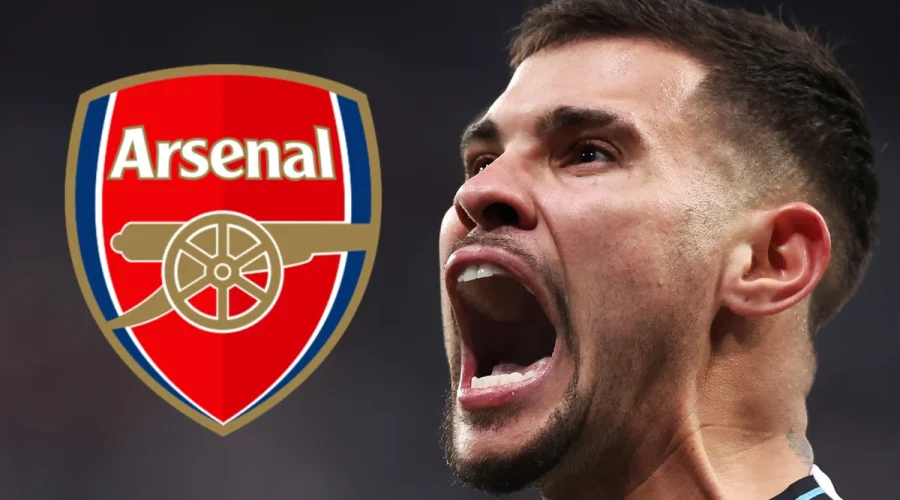
Why Arsenal FC Want to Sign Bruno Guimaraes: Midfield Plans Revealed
Traveloasisspot.com – Why Arsenal FC want to sign Bruno Guimaraes has become one of the most compelling transfer stories of the current window. The Gunners have moved from quiet observation to active pursuit of the Newcastle United midfielder, with concrete negotiations now reportedly underway. While the club has maintained a measured approach to business, sources indicate that significant progress has been made in securing the Brazilian international’s services.
A Patient Start to Transfer Business
Arsenal’s summer activities have been defined by patience rather than urgency. Piero Hincapie’s loan spell has been converted into a permanent deal, fulfilling expectations established earlier in the season. Meanwhile, Illan Meslier is preparing to join as a free agent, providing depth in goal as the squad’s third-choice option.
The timing of these moves reflects the World Cup period when the window opened. However, the club is now preparing for more substantial activity in the coming weeks as they look to address midfield requirements for the demanding campaign ahead.
Guimaraes Emerges as Priority Target
The Brazilian midfielder has become a primary focus for the North London side. Formal enquiries have been made regarding his availability, and preliminary discussions with his representatives are progressing. Although Newcastle United have publicly stated their star is not for sale, internal sources reveal that an offer valued at approximately £55 million has already been submitted.
According to Standard Sport, formal club-to-club communication is still pending. Nevertheless, the Gunners’ intentions are clear, and a definitive bid is expected once Guimaraes communicates his desire to leave St James’ Park to his current employers.
Understanding the Midfield Ambition
Mikel Arteta has consistently shown a preference for players already familiar with Premier League football. This approach reduces adaptation time and allows new signings to contribute immediately. Guimaraes fits this profile perfectly after establishing himself as a reliable presence for Newcastle over four seasons.
His durability is particularly appealing. The Brazilian missed just six Premier League fixtures this campaign due to a hamstring issue, demonstrating remarkable consistency. This addresses a key concern for a club that has suffered significantly from injury crises in recent years. The squad needs players capable of handling approximately sixty matches across four competitions each season.
Protecting Rice and Building Depth
Arsenal’s pursuit of Guimaraes is closely linked to Declan Rice’s wellbeing. The England captain has been managing persistent neural pain in his hamstring since December, and the medical team is acutely aware of the physical toll this has taken. Rice will receive adequate recovery time following the World Cup, particularly if England progress further in the tournament.
The midfield has been complicated by Christian Norgaard’s limited opportunities under Arteta. The Danish midfielder featured for barely 100 Premier League minutes, creating additional pressure on Martin Zubimendi. The Spanish midfielder became increasingly fatigued throughout the campaign as a result of carrying more responsibility.
“Arsenal intend to listen to offers for Norgaard this summer while simultaneously targeting a midfielder capable of competing alongside Rice and Zubimendi rather than merely serving as a squad option.”
Guimaraes would provide exactly this type of reinforcement, offering competition at the highest level rather than simply adding depth to the bench.
Proven Qualities and Long-Term Vision
The Brazilian midfielder has started all three of Brazil’s World Cup matches and contributed three assists during the group stage, showcasing his ability to perform on the biggest stage. Arteta, who was hesitant to use Norgaard and only trusted Myles Lewis-Skelly by May, would feel confident integrating Guimaraes into his starting lineup.
Guimaraes possesses the physical attributes that Arteta values highly. Having captained Newcastle United, he brings valuable leadership qualities to the squad. The Gunners’ interest in the player is not new; they explored a potential move in January 2022 when Guimaraes was still at Lyon, but ultimately delayed their decision while Newcastle United moved in to secure his signature.
Age remains a factor in Arsenal’s calculations. Guimaraes will celebrate his twenty-ninth birthday in November, which could influence how aggressively the club pursues the deal. Meanwhile, initial discussions have also taken place with Lille regarding eighteen-year-old Ayyoub Bouaddi, whose long-term value would likely exceed that of the Brazilian over time.