Iran Escalates Attacks on Infrastructure and Transport Networks Across the Gulf
On Wednesday, Iran significantly intensified its campaign of targeting civilian infrastructure and transport systems throughout the Gulf region, launching assaults on commercial vessels and striking Dubai’s international airport. These strikes came as U.S. and Israeli warplanes conducted additional raids on the Islamic Republic, marking a sharp increase in the conflict’s scale. Iranian officials expressed unwavering resolve, declaring the situation would lead to a prolonged “war of attrition” capable of destabilizing global energy markets.
As the 12-day conflict entered a new phase, tensions remained high. Israeli air strikes hit Hezbollah positions in Lebanon, while Iranian missiles and Hezbollah rockets simultaneously targeted Israeli territory. The coordinated assaults, which included drone attacks from Hezbollah, were the first such synchronized efforts since the war began. In Lebanon, Israeli strikes have already claimed at least 634 lives and injured 1,586 people, with over 816,700 families officially registered as displaced.
Wednesday night saw a dramatic escalation when Israeli warplanes bombed the southern suburbs of Beirut and parts of southern Lebanon. This followed Hezbollah’s earlier attacks on northern Israel, which were bolstered by Iranian missile support. The Iranian leader, who was killed in the opening moments of the U.S.-Israeli offensive, remains a central figure in public mourning, with large crowds in Tehran and other cities gathering for his commanders’ funerals. They carried caskets and displayed portraits of Ayatollah Ali Khamenei, the supreme leader, and his son Mojtaba, who also lost his life in the airstrikes.
Iranian officials acknowledged for the first time that the country’s new leader had sustained injuries during the airstrikes, which also claimed the lives of his mother, wife, and a son. The 56-year-old leader has yet to make public appearances or address the situation directly. “I have heard that he was injured in his legs and hand and arm … I think he is in the hospital because he is injured,” said Tehran’s ambassador to Cyprus, Alireza Salarian, in a statement to the Guardian.
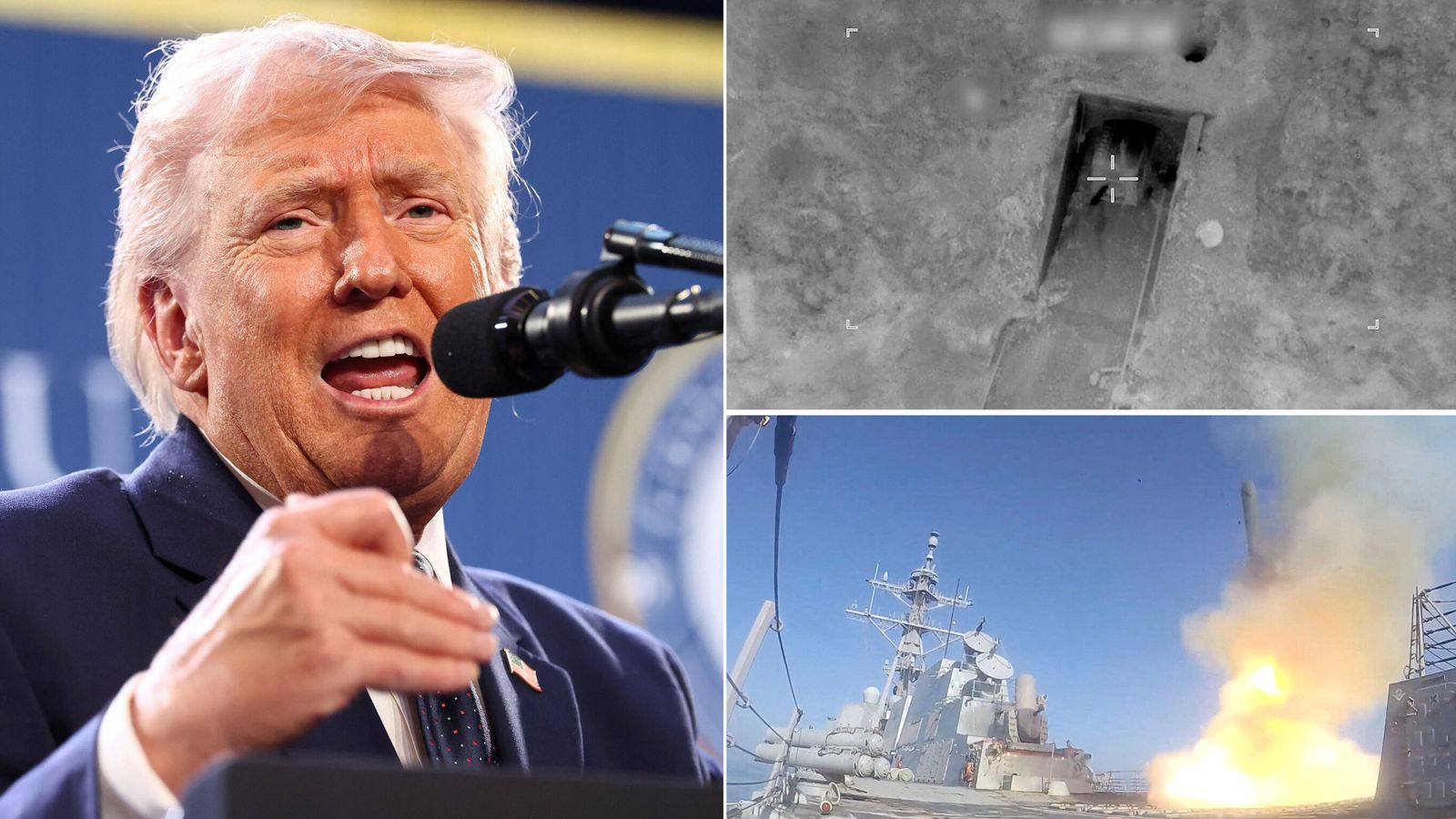
Despite international calls for a pause, both the U.S. and Israel have shown no signs of scaling back their joint operations. Israeli Defence Minister Israel Katz emphasized the campaign would continue “without any time limit” until all objectives were met. Meanwhile, U.S. President Donald Trump oscillated between confidence and caution, asserting in a recent rally that “we won” but warning that the fight would persist to ensure full victory. “You never like to say too early you won. We won. In the first hour it was over,” he said, while also claiming the U.S. had sunk 58 Iranian naval ships.
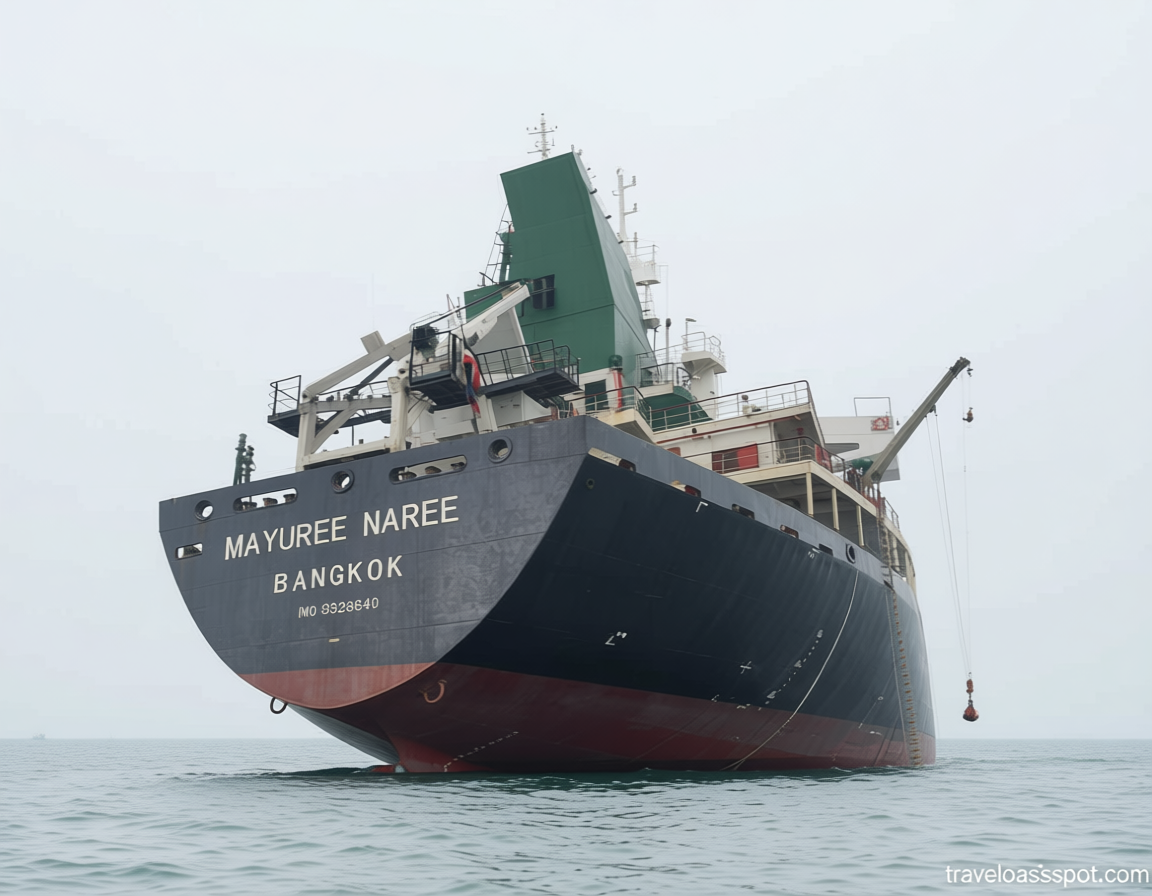
Trump’s remarks came amid growing concerns over the economic fallout from the war. The International Energy Agency recommended releasing 400 million barrels of oil, the largest such measure in its history, to ease rising prices. However, the strait of Hormuz—critical for a fifth of the world’s oil—still poses risks, with three merchant ships hit by unknown projectiles on Wednesday. This brought the total number of ships reportedly struck since the war began to 14, including a Thai-flagged bulk freighter where crew were evacuated after an explosion ignited a fire.
“We don’t want to leave early do we? We got to finish the job … We don’t want to go back every two years.”