Table of Contents
ToggleIran’s Strategic Move in the Strait of Hormuz
Iran’s ongoing military actions in the region have intensified, with reports indicating the country has begun deploying mines in the critical Strait of Hormuz. This move threatens global oil shipments, as the waterway serves as a primary conduit for one-fifth of the world’s oil supply. Analysts warn that the operation could disrupt maritime traffic and escalate regional tensions.
Risks and Asymmetric Tactics
Despite being outgunned and outspent by the US and Israel, Iran leverages its control over the strait as a key asset. The placement of mines aims to deter vessels from traversing the narrow passage, a strategy that highlights the nation’s reliance on unconventional warfare. This tactic, though limited in scale, could create significant challenges for international shipping.
“If Iran has put out any mines in the Hormuz Strait, and we have no reports of them doing so, we want them removed, IMMEDIATELY!”
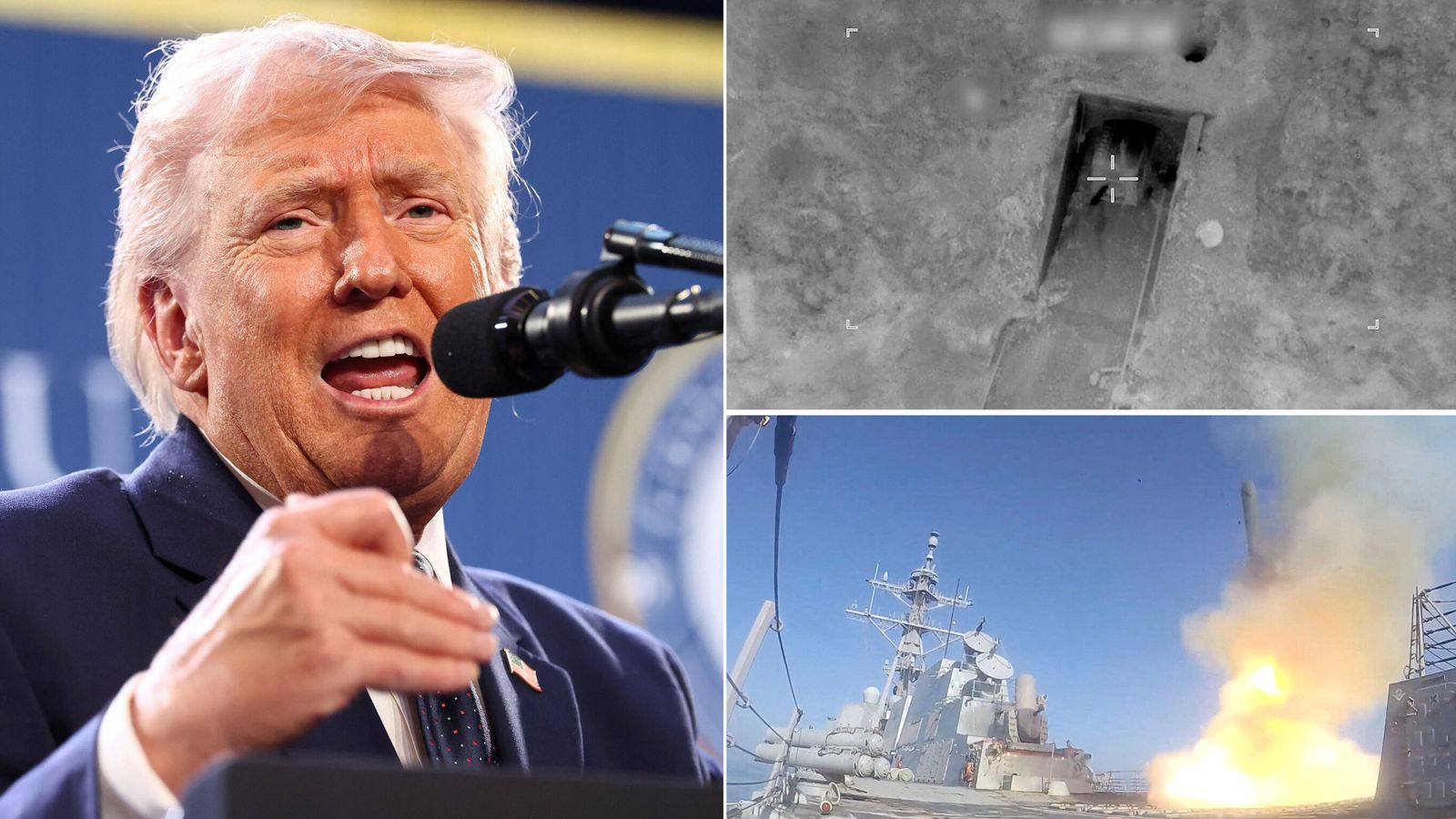
Recent intelligence suggests Iran has laid a few dozen mines, according to sources close to US authorities. While the effort is not yet large-scale, the country still maintains a substantial fleet of small boats and minelayers. This contradicts Trump’s earlier assertion that Tehran has “no navy,” underscoring the complexity of the situation.
Types of Mines and Operational Impact
The US Congress estimated Iran possesses between 5,000 and 6,000 naval mines, including various designs such as limpet mines, moored mines, and bottom mines. These devices can be deployed manually or triggered by proximity, adding to the danger for ships navigating the strait. The Islamic Revolutionary Guard Corps (IRGC), with its own naval forces, remains a formidable threat in the region.
On Tuesday, Iranian forces intercepted the Thai-flagged bulk carrier Mayuree Naree, causing an explosion in its engine room. Thai officials reported three crew members missing, while the Liberian-flagged Express Rome was also targeted that morning. The attacks illustrate the escalating risks for vessels attempting to pass through the strait.
US Response and Limitations
US Central Command claimed to destroy 16 Iranian minelayers near the strait, though it did not confirm any mines were removed. The US Navy’s minesweeping capacity has diminished, with the last dedicated minesweeper decommissioned in September. Critics now rely on littoral combat ships, which have faced reliability issues and are referred to as “Little Crappy Ships” by some.
The UKMTO, a Royal Navy-backed organization, noted there is still no confirmed evidence of mine deployment or detonation in the strait. However, the potential for Iran to disrupt shipping persists, raising concerns about the strait’s vulnerability.
Economic Consequences
Should the strait remain closed, analysts estimate nearly 15 million barrels per day of crude oil and 4.5 million of refined products would be trapped in the Gulf. This could strain storage facilities and impact global energy markets. The narrow, high-traffic channel already demands precise navigation, but mines complicate efforts to restore normal operations.