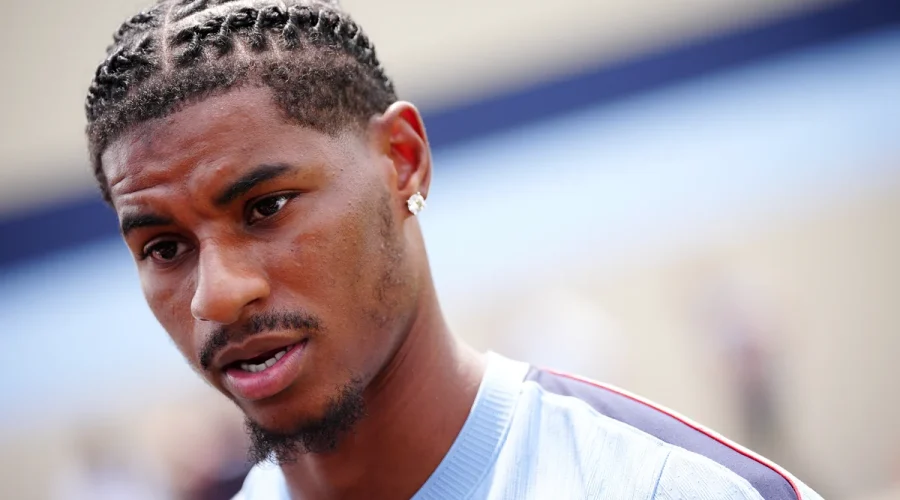
Man Utd Set Deadline for Marcus Rashford Transfer as Double Medical Booked
Traveloasisspot.com – Man Utd set deadline for Marcus Rashford’s potential departure from Old Trafford as the club simultaneously prepares to welcome two new signings to the squad. The Red Devils are closing in on securing both Ederson and Andrey Santos, marking what could be a transformative period for the team ahead of the upcoming campaign. This strategic timing ensures United can balance their squad while addressing Rashford’s uncertain future.
Rashford’s Uncertain Future After Barcelona Decision
The English forward’s situation has remained unresolved following Barcelona’s choice not to exercise their purchase option. The Catalan giants opted against activating the clause that would have brought Rashford permanently to Camp Nou for £26 million, after he completed a successful loan spell during the previous season. This decision has left United with a crucial decision regarding their star player’s next chapter.
Instead of securing Rashford’s services, Barcelona turned their attention elsewhere, ultimately agreeing to sign Anthony Gordon from Newcastle United for a substantial £70 million fee. This strategic pivot has left Rashford’s immediate future in question, though a return to Manchester appears increasingly likely. The Spanish club’s priorities shifted significantly during the transfer window.
While the 28-year-old is expected back at Old Trafford, his position within Michael Carrick’s tactical vision for the new season seems uncertain. Rashford has publicly communicated his desire to move on, yet remains patient regarding timing. His performances have been inconsistent, adding to the speculation surrounding his future at the club.
World Cup Timing and Transfer Preferences
Rashford has made his intentions clear regarding when he wants to finalize his next chapter. The forward emphasized his commitment to representing England at the tournament before making any permanent decision about his career. This approach demonstrates his professionalism and desire to give his best for his country.
“I was very clear with everyone involved before the World Cup, I wanted [a transfer] done before. If it’s not, I wanted it to wait until after. I want to be fully present in the moment.”
Despite being connected with potential moves to both Chelsea and Tottenham Hotspur, reports suggest Rashford prioritizes securing Champions League football for the forthcoming season. This preference has influenced his thinking about which clubs to consider seriously. The quality of opposition and European competition remain key factors in his decision-making process.
According to The Sun, United’s hierarchy aims to complete a sale before their pre-season training camp begins in Dublin on August 8. The club has made it unequivocally clear that they will not entertain another loan arrangement for the forward, preferring a permanent transfer solution. This firm stance reflects United’s confidence in Rashford’s market value.
Ederson’s Arrival and Santos’ Potential Move
As Rashford prepares for an exit, Ederson is set to become United’s first summer acquisition, potentially announced earlier than anticipated. The Brazilian midfielder has agreed terms worth £35 million, with an additional £3.8 million in performance-related add-ons, following negotiations with Atalanta before the World Cup commenced. His arrival represents a significant investment in United’s midfield.
Ederson is anticipated to commit to a four-year deal, though United deliberately delayed finalizing the agreement until Brazil’s tournament campaign concluded. After receiving medical clearance following their elimination by Norway in the round of 16, the midfielder is expected to travel to England this week for his medical examination and contract signing. This timing ensures minimal disruption to his international commitments.
Meanwhile, Standard Sport reports that Chelsea have accepted United’s £48 million bid for Andrey Santos, supplemented by £2 million in achievable performance bonuses. A medical appointment has been scheduled for the Brazilian as he prepares to complete his transition to Old Trafford. This double deal could reshape United’s squad significantly.
With both Ederson and Santos potentially joining the squad, United are positioning themselves for significant squad reinforcement. The club has also identified West Ham’s Crysencio Summerville as a candidate to replace Rashford if the forward departs permanently, demonstrating their proactive approach to squad planning during this busy transfer window. These moves highlight United’s commitment to building for the future while addressing current needs.