Police say mosque replica on top – “`html
Controversial Mosque Effigy Sparks Hate Crime Investigation in Northern Ireland
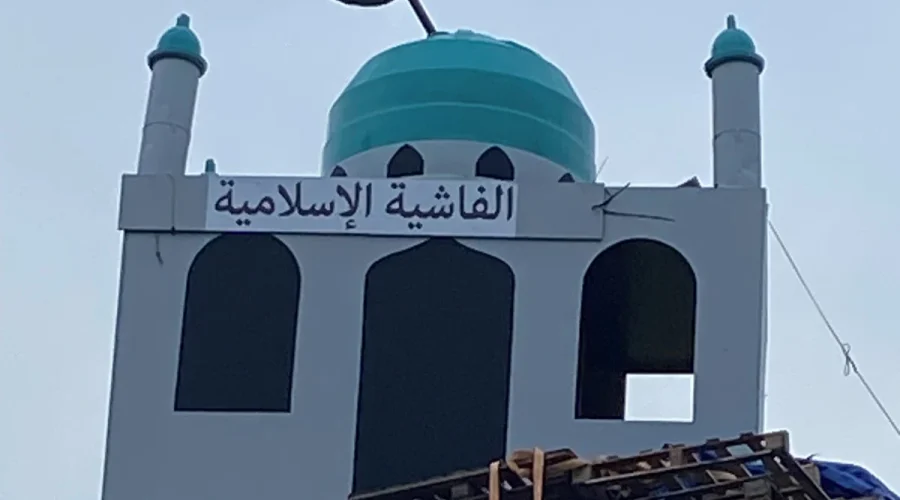
Authorities in Northern Ireland have classified the placement of a miniature mosque structure atop a traditional loyalist bonfire as a criminal act driven by prejudice. The incident occurred in Moygashel, located within County Tyrone, where residents witnessed the unusual addition to their annual pyre on Thursday.
Law enforcement officials confirmed they are actively evaluating whether this display constitutes a hate-motivated offense. According to the Police Service of Northern Ireland, a fifty-six-year-old male was taken into custody earlier in the day and remains detained while investigations continue.
Community and Political Reactions
The Moygashel Bonfire Association defended their actions, characterizing the bonfire as a form of political demonstration targeting what they describe as uncontrolled illegal mass immigration. Additional signage attached to the pallet construction includes messages calling to secure borders and end what they perceive as the threat of radical Islam.
Political leaders across the spectrum have responded strongly to the controversy. Northern Ireland Secretary Hilary Benn publicly condemned the gesture through social media, emphasizing that such displays do not reflect the values held by most citizens in the region.
The placement of a replica mosque on the Moygashel bonfire is a sickening and cowardly act of intimidation.
Benn further clarified that this situation transcends mere tradition, noting that the vast majority of people in Northern Ireland would reject such expressions of hostility. He called for unity in opposing this form of intimidation.
Religious Leaders Speak Out
Two prominent religious figures, Archbishop John McDowell and Archbishop Eamon Martin, released a joint statement expressing their deep concern. They characterized the mosque replica as grossly offensive and emphasized the importance of showing compassion toward individuals of different faiths.
The placement of a replica mosque atop a bonfire is grossly offensive and raises tensions so soon after the unrest that destroyed property and severely impacted the lives of individuals and families.
The archbishops warned that crude symbols and threats directed at the Muslim community undermine fundamental principles of respect, compassion, and religious freedom. They urged Christians and all people of goodwill to consider how their actions might provoke violence against innocent individuals who are made in God’s image.
Human Rights Organization Response
Amnesty International joined the chorus of criticism, with Northern Ireland director Patrick Corrigan describing the display as a blatant attempt to generate anti-Muslim sentiment and intimidate local families. The organization emphasized that such effigies constitute incitement to hatred against real people who live, work, and raise families in the region.
This vile display is a blatant attempt to stir up anti-Muslim hatred and intimidate local families.
Corrigan highlighted that Northern Ireland law prohibits the distribution of materials intended or likely to stir up racial or religious hatred or arouse fear. He called for decisive police action, including investigation, identification of responsible parties, and swift removal of the offending material.
Historical Context and DUP Position
The Moygashel bonfire site has generated controversy in previous years as well. Last year, effigies representing migrants in a boat were burned during the event, drawing widespread condemnation at that time.
The Democratic Unionist Party (DUP) has articulated its position on the matter, stating that while they support the right to express lawful political opinions—even controversial or unpopular ones—they believe effigies should not be placed on bonfires. The party emphasized that where laws are broken, they must be enforced, but lawful expressions of views should not be censored merely because some find them offensive.
The 11th of July bonfires represent a historic tradition in Northern Ireland, and this incident has reignited debate about the boundaries of acceptable expression within these celebrations.
“`