Palestine is Now the Conscience of the World. No Deal Will Change That
Donald Trump’s recent announcement in Washington wasn’t a peace plan, but a hollow imitation of one. This agreement, hailed as a major achievement, was crafted between an American ally and an Israeli aggressor, sidelining the very people it was meant to serve. Palestinians, including Hamas and the Palestinian Authority, were left out of the picture—erased from the narrative entirely.
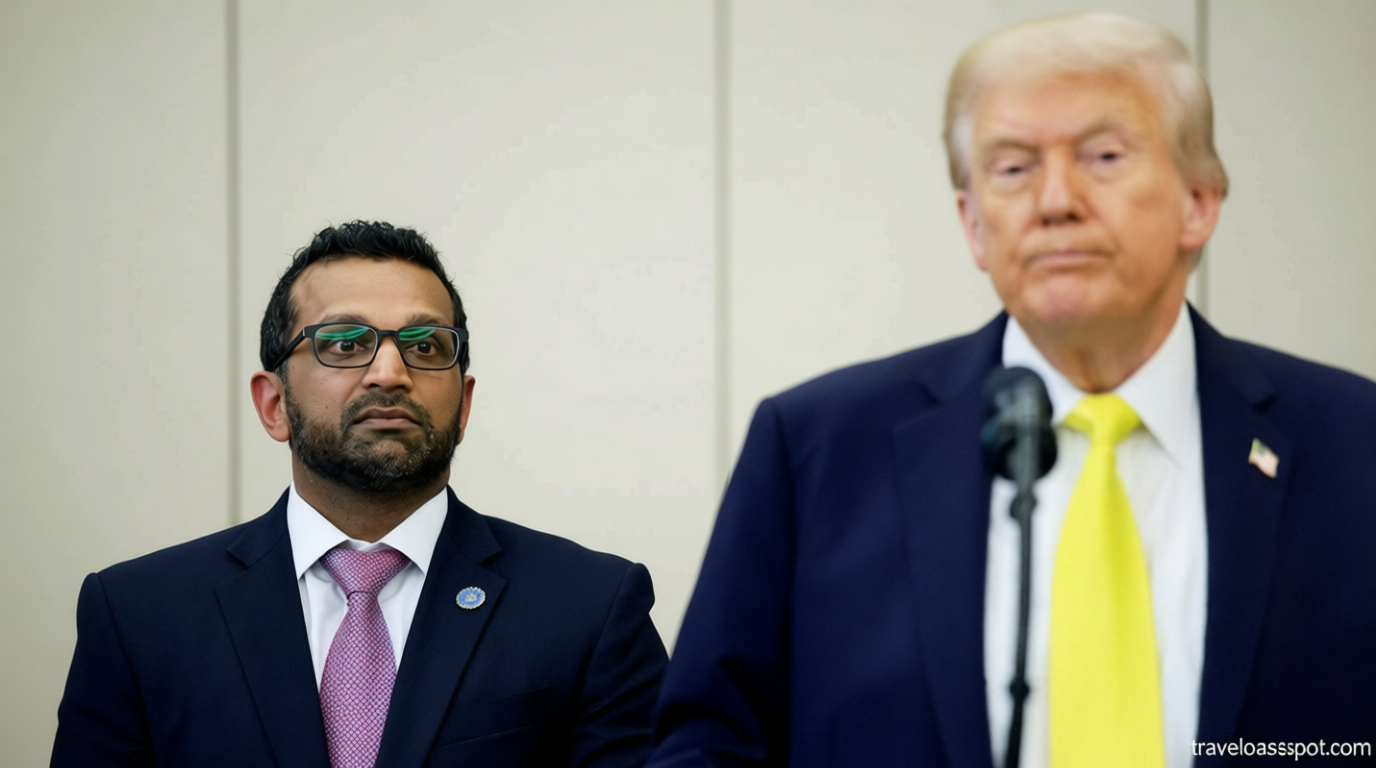
Trump stood beside Israeli Prime Minister Benjamin Netanyahu, extolling his “agreement” to a blueprint he had authored, while Palestinians remained silent. The absence of Palestinian voices was glaring, with no room for their perspectives or demands. This pattern mirrors the colonial strategy behind the Abraham Accords, where deals are brokered without Palestinian consent, and peace is celebrated despite ongoing occupation, blockades, and systematic oppression.
“Who could believe it?” Netanyahu boasted, marveling at how Muslim governments would act as a shield for Israel’s dictated terms.
Beneath the surface spectacle, the plan offers little substance. Its sole tangible promise is the return of hostages. Other commitments are vague, lacking enforceability. Israeli forces remain stationed in occupied territories, and the deal serves as a mask for what amounts to a forced submission. It’s not negotiation—it’s imposition, a triumph of power over principle.
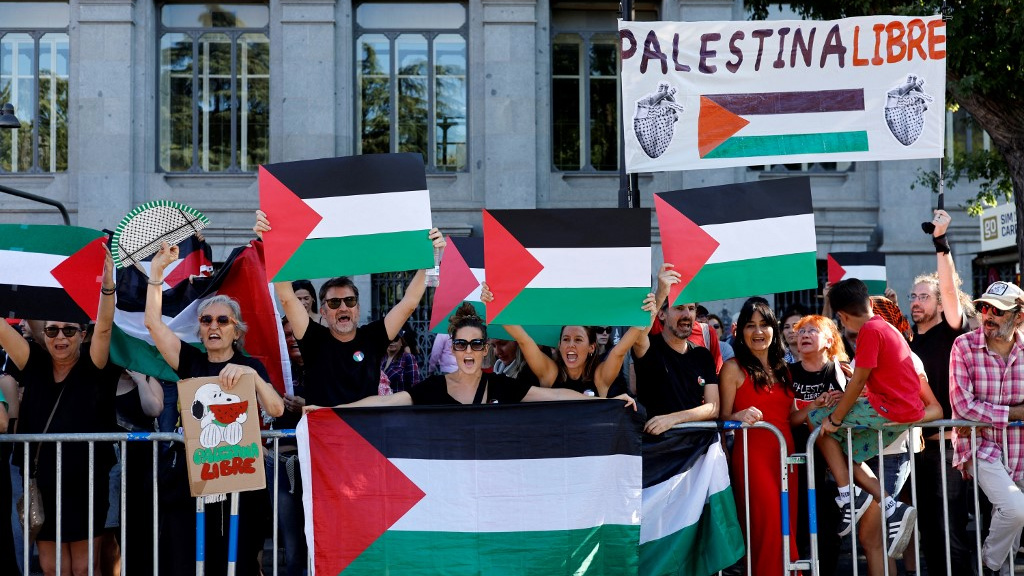
Israel’s military campaigns had failed to crush Gaza, secure hostages, or break Palestinian resistance. Trump’s intervention attempts to transform these failures into perceived victories. By offering a diplomatic facade, he aims to legitimize a regime that has long relied on violence to assert dominance. Yet, the international tide continues to shift against Israel, with public sentiment in Europe and the U.S. increasingly favoring Palestine.
At the United Nations, Netanyahu faced a stark reality: 77 nations walked out of the chamber, leaving him to speak to empty seats. This isolation underscores the growing global support for Palestine, a movement that threatens to dismantle Israel’s geopolitical standing. The deal, however, seeks to reverse this momentum, aiming to suppress boycotts, protests, and the rising awareness of Palestinian struggles.
Historically, such agreements have mirrored the colonial mindset of the Balfour Declaration. Just as British mandates stripped Palestinians of their sovereignty in 1917, the current plan replicates this by offering control under the guise of peace. Trump and his allies now wield a “Board of Peace” to oversee the process, with Tony Blair symbolizing the enduring colonial mindset.
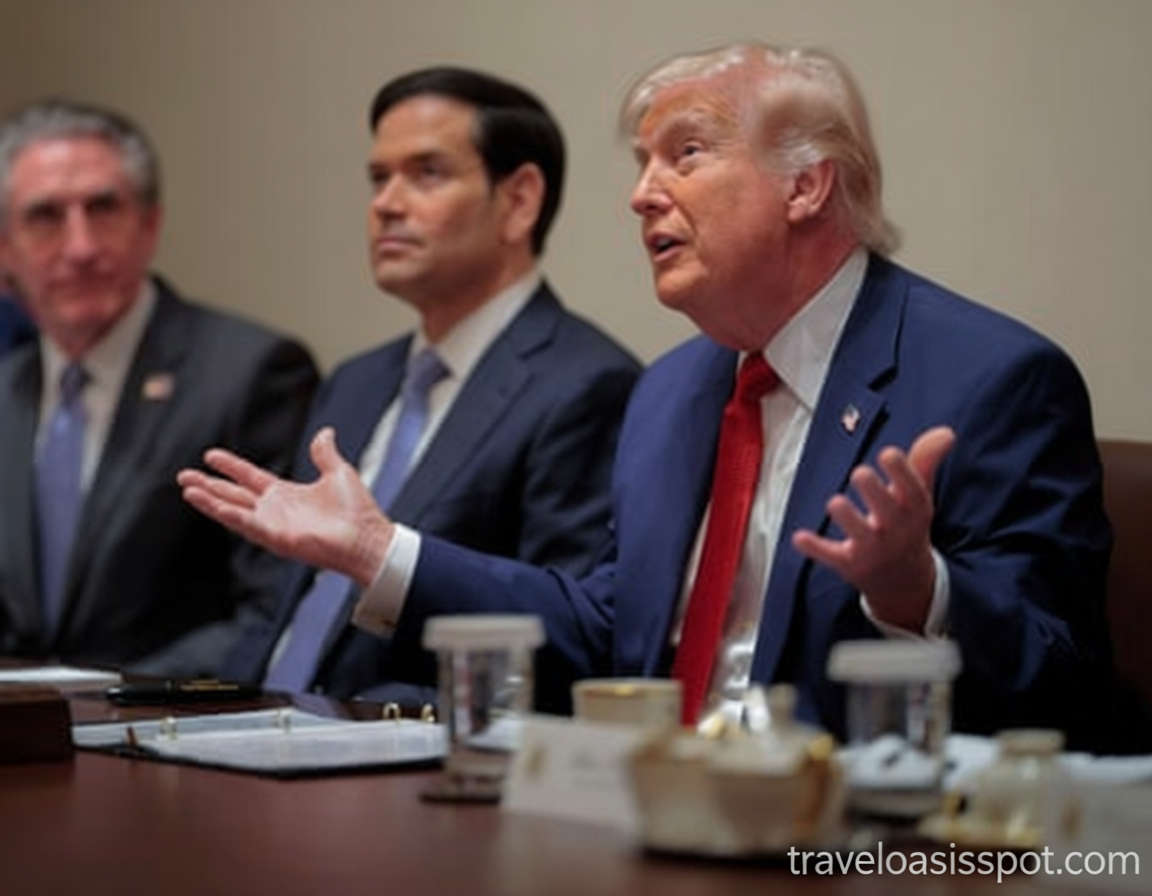
Even as leaders from Arab nations and Muslim states gather to endorse the deal, their role is not to advocate for Palestinians but to facilitate their subjugation. They are complicit in a strategy that silences Palestinian agency, replacing it with a structure of imposed governance. As Egypt’s former UN delegate Motaz Khalil noted, this is a “surrender plan” that diminishes Palestinian voice and hands Netanyahu the victory he once sought through war.
History will judge this moment harshly. A ceasefire that excludes the occupied people is not peace—it’s a colonial decree, a revival of imperial control in the 21st century. The machinery of external domination, disguised as humanitarian rhetoric, continues to advance. And the Muslim rulers who stand beside Netanyahu are not partners in peace, but accomplices in the erosion of Palestinian rights.