Star-Studded Royal Box Gathers for Wimbledon’s Day 12 Spectacle
Traveloasisspot.com – A dazzling constellation of celebrities graced the prestigious Royal Box on Friday evening as they witnessed British tennis phenomenon Arthur Fery pursue his dream of reaching the men’s singles final. The electric atmosphere inside Centre Court provided the perfect backdrop for what promised to be an unforgettable sporting occasion.
Fery, aged just 23, has already etched his name into history as the first British wildcard player to make it through to the semi-finals during the open era. The young competitor now faces a formidable challenge against world number two Alexander Zverev, with the enthusiastic home crowd providing crucial support throughout the match.
Notable Celebrities in Attendance
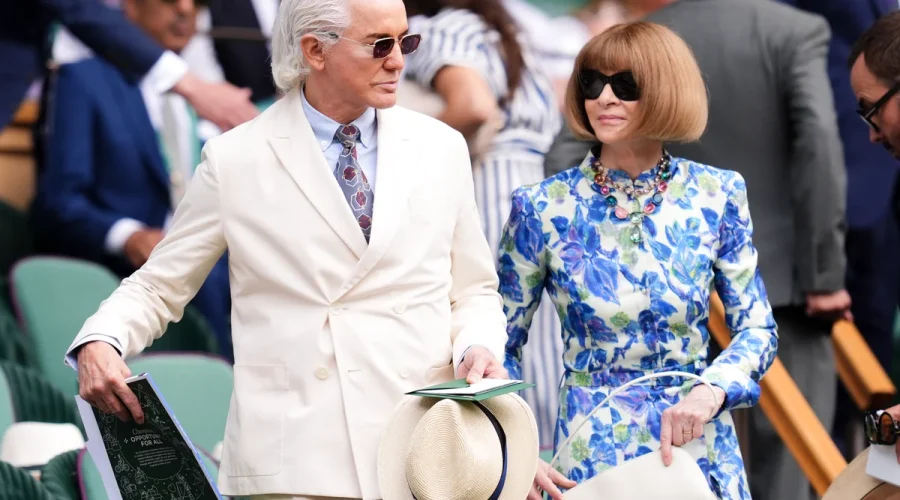
The VIP section featured some of the most recognizable faces in entertainment and fashion. Legendary British editor Dame Anna Wintour made her highly anticipated return to the 2026 Championships, where she was spotted seated beside Oscar-nominated director Baz Luhrmann, known for his work on Moulin Rouge! and Romeo and Juliet.
Acclaimed fashion designer Tom Ford joined this distinguished company in the box, alongside British actor George MacKay. MacKay currently headlines the forthcoming Sense and Sensibility film adaptation, sharing the screen with Daisy Edgar-Jones in this highly anticipated literary adaptation.
Benedict Cumberbatch also made his second appearance at Wimbledon this year, taking his place in the Royal Box alongside his wife, theatre director Sophie Hunter. Seated directly in front of the Cumberbatch couple were broadcaster and comedian Sandi Toksvig, accompanied by actor Damian Lewis.
Representing the sporting world, Liverpool captain Virgil van Dyke occupied a position in the Royal Box. The Dutch defender had recently returned to the United Kingdom following his national team’s elimination from the World Cup by Morocco on June 30.
Double Header of Semi-Final Action
Beyond the Fery versus Zverev contest, Centre Court prepared to host another thrilling encounter. Novak Djokovic was scheduled to face world number one Jannik Sinner in the second men’s semi-final, adding extra excitement to an already packed day of tennis.
Djokovic, now 39 years old, pursues a historic achievement as he attempts to secure his 25th grand slam title. The Serbian veteran faces considerable opposition from Sinner, who captured his fourth singles grand slam at Wimbledon last year and demonstrated remarkable consistency by avoiding a single set loss across the previous four rounds of competition.
Fery’s Historic Journey Continues
The British wildcard opens play on Friday as the men’s singles semi-finals command center stage. Fery aims to become the first home hope to reach the final at the All England Club within the past decade, marking ten years since Sir Andy Murray’s second championship victory in 2016.
At 23 years old, Fery represents only the second wildcard entry to reach the last four, following Goran Ivanisevic’s remarkable achievement in 2001. The Croatian player subsequently defeated Pat Rafter to claim the trophy 25 years ago, overcoming Greg Rusedski and Tim Henman along the way to glory.
Fery secured his semi-final position with a commanding straight-sets victory over ninth seed Flavio Cobolli, whom he had previously defeated at the Australian Open in what represented his first major tournament shock. Zverev, the French Open champion, advanced to the semi-finals following his own three-set triumph over Taylor Fritz on Court No1.
The combination of sporting excellence and celebrity presence created an atmosphere befitting one of tennis’s most prestigious tournaments, with fans and dignitaries alike enjoying what promises to be a memorable day at Wimbledon.