Inside Arthur Fery’s Wimbledon Success: The Team Powering His Historic Semi-Final Run
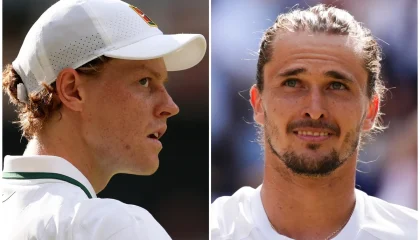
Traveloasisspot.com – Arthur Fery’s remarkable journey at Wimbledon appears poised for further glory as he prepares to face Alexander Zverev in the men’s singles semi-finals. The British wildcard has already etched his name into tennis history, becoming the first player from Britain to reach the final four at SW19 using a wildcard entry.
His path to this milestone included an impressive straight-sets triumph over ninth-seeded Flavio Cobolli, who had previously reached the French Open final. Now the 23-year-old stands on the brink of additional history, set to compete on Centre Court against the tournament’s second seed for a spot in the championship match.
A Rapid Ascent in the Rankings
Fery’s transformation has been nothing short of extraordinary. In just two weeks, he climbed to position 36 in the world rankings and claimed the title of Britain’s top-ranked player. This achievement is particularly notable given that he had never previously broken into the ATP’s top 100 during his professional career.
Born in France but raised in the Wimbledon area, Fery has maintained a connection to his roots throughout this tournament. He has been residing in his mother’s home while competing, providing him with a comfortable and familiar environment during the demanding event.
The Support Network Behind the Success
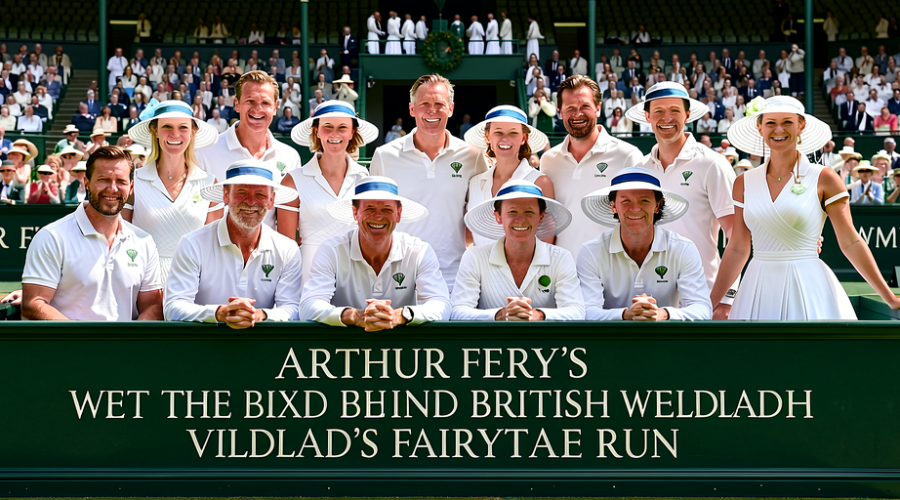
Every champion requires a strong foundation, and Fery’s team represents a comprehensive blend of technical expertise and emotional guidance. While some members work closely with him on a daily basis, others provide crucial behind-the-scenes support that proves equally vital to his performance.
Benard, who became part of Fery’s coaching staff in March 2025, has emerged as a fundamental element in his player’s development. The 35-year-old Dutch coach shares linguistic similarities with his charge, speaking both English and French. When Benard needs to emphasize a particular point, he often switches to French to ensure his message resonates clearly.
Known for delivering concise yet impactful advice during matches, Benard typically maintains a calm demeanor. However, the significance of today’s semi-final may well bring out a more animated side as he supports his player through what could be the most important match of his career.
Family Influence and Personal Connections
Fery’s family background has undoubtedly shaped his journey. His father, a French hedge fund manager, previously owned the Ligue 1 football club Lorient. Though he doesn’t directly influence tennis decisions, Fery acknowledges his father’s substantial impact on his life and has been a visible presence throughout the tournament.
His mother brings her own sporting credentials to the team. A former world No.225 tennis player herself, she has provided both technical insights and emotional stability as her son navigates the challenges of professional competition.
Coaching and Medical Staff
Alison Taylor serves as Fery’s first coach and remains a constant presence in his corner. Often seated beside her is Olivia, a member of the All England Club who contributes to the team’s dynamic.
Trotman, one of the LTA’s men’s national coaches, has occasionally been spotted in Fery’s box. His reputation for developing British talent is well-established, having played a significant role in Jack Draper’s rise before separating from the former British No.1 last year.
Logistical support comes from another key figure responsible for ensuring Fery’s LTA funding is utilized effectively. This person operates behind the scenes, managing the practical aspects that allow Fery to focus entirely on his tennis.
Shelbourne represents another long-term connection, having worked with Fery since the player was a teenager at the Sutton Tennis Academy. Together with an experienced physiotherapist, osteopath, and sports rehabilitation specialist, Shelbourne has been instrumental in keeping Fery healthy despite his historical struggles with fitness. This medical team will be crucial as Fery prepares to test his endurance against French Open champion Zverev in what promises to be a demanding semi-final encounter.