
Record Emergency Calls Amid London Heatwave as UK Sets June Temperature Milestone
Traveloasisspot.com – The London Ambulance Service reported an all-time high in critical emergency responses as the city endured a prolonged period of sweltering heat. This surge in life-threatening incidents coincided with the UK hitting its hottest June day on record, underscoring the severe impact of the ongoing weather crisis.
Heatwave Intensifies: June’s New Temperature Benchmark
Thursday marked a historic moment in British weather history, with Somerset recording a temperature of 36.7°C—setting a new June record. This surpassed the prior benchmark of 36.1°C, which had been established in Hampshire just 24 hours earlier. The unprecedented heatwave has triggered widespread disruptions, from transportation delays to closures of educational institutions and public amenities.
While London’s peak temperature on Thursday stood at 32°C, slightly lower than Wednesday’s 32.5°C, meteorologists anticipate a return to higher readings on Friday. Forecasts suggest temperatures could climb to 36°C, maintaining the region in a state of extreme heat. The Met Office has issued a red weather warning, effective until midnight, warning of the heightened risks posed by the heat.
Emergency Services Under Pressure
Amid the sweltering conditions, the London Ambulance Service (LAS) responded to a record 642 Category 1 emergencies on Wednesday, the highest single-day tally in its history. This included a total of nearly 7,900 calls, which placed the service’s workload among the top five busiest days on record. Ambulance crews treated approximately 3,600 patients, highlighting the strain on resources during the heatwave.
“We’ve seen the highest number of life-threatening emergencies in our history, driven by the extreme heat across London,” said Chief Executive Jason Killens. “Our crews are working very hard in challenging conditions to care for patients, and I would like to take this opportunity to thank all our people for their incredible hard work.”
To manage the increased demand, LAS deployed more than 400 additional ambulance staff this week. This proactive measure aims to ensure timely responses to incidents ranging from heatstroke cases to dehydration emergencies. The situation has also prompted businesses and offices to close or reduce operating hours, with many eateries, shops, and salons temporarily shuttering due to “uncomfortably hot” working conditions.
Transport and Daily Life Disruptions
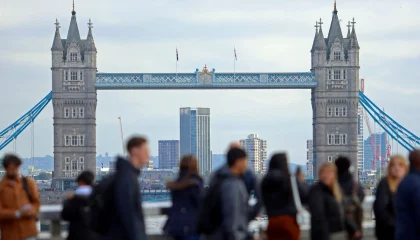
The heatwave has significantly impacted London’s transportation network. The Elizabeth line, a key rail service, reduced its frequency between Paddington and Heathrow Terminals 4 and 5, citing heat-related constraints. Heathrow Express also operated a diminished schedule, further complicating travel for commuters. Meanwhile, footfall in central London dropped by approximately 14% at 9 a.m. on Thursday compared to the same time the previous week, according to O2 motion data.
Authorities have warned of the broader consequences of the heat, including the implementation of a hosepipe ban in Kent. This restriction, aimed at conserving water, reflects the heightened demand for cooling resources. Schools and nurseries have closed as part of efforts to protect children from the extreme conditions, while transport services have faced delays and cancellations, adding to the public’s inconvenience.
Water Safety Alerts Amid Rising Concerns
As Londoners seek relief from the heat, they have flocked to beaches and lidos, prompting renewed focus on water safety. Education Secretary Bridget Phillipson emphasized the need for vigilance, following reports of at least 15 drownings in open water during late May’s heatwave. Despite prior warnings about the dangers of cooling off in rivers, lakes, reservoirs, and canals, the incidents have raised alarms.
“My message to parents and to children is just to be really careful,” Phillipson stated. “I’m working with schools and encouraging them to share water safety advice and lessons with students. While I understand the desire to spend time in open water, we must ensure children’s safety remains a priority.”
Phillipson urged schools to disseminate water safety materials to both parents and students, ensuring they are equipped with the knowledge to mitigate risks. This call to action comes as the public increasingly turns to water-based activities to combat the sweltering temperatures.
Climate Change and the Heat-Dome Phenomenon
Experts attribute the intensifying heatwave to a “heat-dome” effect, where a persistent area of high pressure traps warm air over a region. This meteorological pattern has intensified across western Europe, creating extreme conditions. Greg Wolverson, deputy chief meteorologist, noted that the heatwave has broken June temperature records for two consecutive days, reinforcing the trend of rising temperature extremes in the UK.
Wolverson highlighted that human-induced climate change, driven by fossil fuel consumption, is making such events more frequent and severe. “This marks unprecedented heat for the month of June and provides further evidence of how high temperature extremes are becoming increasingly common in the UK due to climate change,” he explained. The heat is expected to shift eastward on Friday, potentially challenging the current record before easing by the weekend.
Broader Impacts and Community Responses
The heatwave has prompted a range of responses from local authorities and residents. Anglian Water, for instance, has not announced plans for a hosepipe ban this year but is urging customers to conserve water. Meanwhile, the public has adapted by seeking cooler environments, such as parks and waterfront areas, while some businesses have embraced the heat by offering outdoor events or summer promotions.
The situation has also sparked political discourse. Prime Minister’s Questions (PMQs) saw Keir Starmer defending the actions of front and backbenchers, while Donald Trump criticized Mayor Sadiq Khan for his handling of the heatwave. These reactions reflect the growing scrutiny of leadership amid the crisis. The heatwave’s effects extend beyond health and transportation, influencing daily routines, energy consumption, and even leisure activities.
As the UK grapples with the heatwave, the focus remains on managing its immediate impacts while addressing long-term climate challenges. The combination of record temperatures and increased emergency calls serves as a stark reminder of the need for resilience in the face of escalating weather extremes. With the heat-dome lingering, the coming days will test the city’s preparedness and the effectiveness of emergency measures.
Future Outlook and Climate Implications
While the current heatwave is expected to ease by the weekend, its aftermath will likely linger in public consciousness. The unprecedented temperatures in June have already sparked discussions about the future of weather patterns, with many pointing to climate change as a contributing factor. The Met Office’s warnings and LAS’s increased staffing underscore the critical role of preparedness in mitigating the effects of extreme heat.
As the UK continues to experience heatwaves with greater frequency, the need for adaptive strategies—such as improved infrastructure, public awareness campaigns, and resource allocation—becomes more urgent. The recent surge in emergency calls and the closure of schools and businesses highlight the multifaceted challenges posed by the heat, urging a coordinated response to protect both people and the economy.
With the heat-dome still in place, the coming days will see further temperature fluctuations, potentially pushing the UK closer to new records. The combination of record-breaking heat and the strain on emergency services serves as a sobering reminder of the realities of climate change and its impact on everyday life. As Londoners adjust to the sweltering conditions, the focus remains on ensuring safety and resilience in the face of a changing climate.