Harry, Duke of Sussex, Set for Podcast Appearance with Joe Marler
Invictus Games Countdown Episode Features Royal and Broadcaster
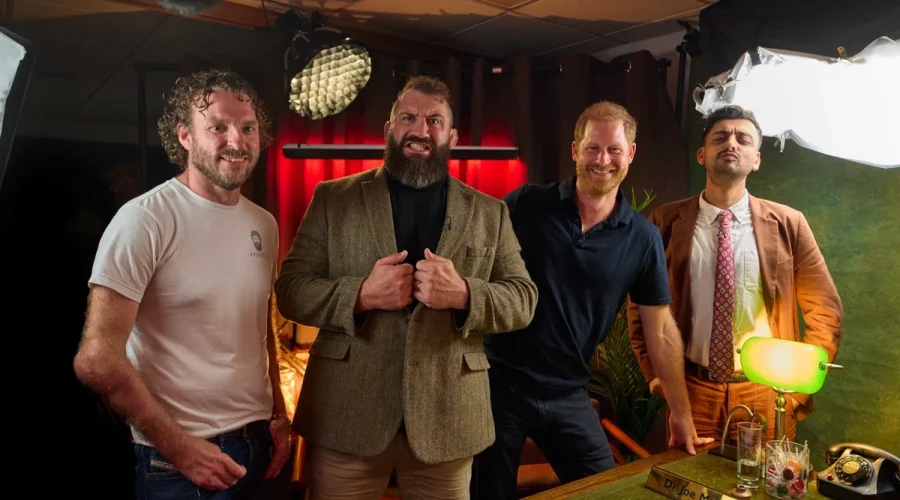
Traveloasisspot.com – The Duke of Sussex is preparing to make an appearance on a popular podcast hosted by Joe Marler, the winner of The Celebrity Traitors. The upcoming episode will see Harry join Marler’s show titled “Joe Marler Will See You Now” on Monday, specifically timed to celebrate the approaching one-year milestone before the Invictus Games are held in Birmingham during 2027. Harry serves as the organizer of this prestigious sporting event and will be sharing the episode alongside broadcaster JJ Chalmers, who is also a competitor in the games.
A preview trailer for the forthcoming episode reveals Harry engaging in lighthearted banter, particularly regarding his lengthy formal name. During the preview, Marler and his co-host Jake Bhardwaj can be heard enthusiastically chanting “duke, duke, duke” as the royal guest makes his entrance onto the program. The conversation between the hosts and their guests is expected to cover a wide spectrum of subjects, ranging from more profound discussions about trauma, grief, identity, and various coping mechanisms to more relaxed and entertaining topics.
“We try to pride ourselves on the ability to go from light to dark to serious to fun, because, for me, it’s just one big conversation,” Marler explained regarding the show’s approach.
The former England rugby player has built a reputation for creating an atmosphere where diverse subjects flow naturally into one another. Since the podcast launched last year, it has achieved remarkable success, accumulating 9.5 million long-form streams and reaching 170 million views across social media platforms. The show has welcomed numerous notable personalities, including fellow Celebrity Traitors participant Nick Mohammed, comedian Katherine Ryan, and former QI presenter Stephen Fry among its distinguished guests.
Birmingham Event Highlights Family Connections
This podcast appearance follows closely on the heels of Harry’s visit to the National Exhibition Centre in Birmingham on Friday. During that visit, he demonstrated his wheelchair rugby abilities while officially launching the one-year countdown to the Invictus Games. The event also provided an opportunity for Harry to meet television presenter Alison Hammond, where he shared a personal message about her television work.
Harry told Hammond: “By the way my kids loved you in the Bake Off – absolutely love it. I love it as well.” The presenter responded warmly to the royal’s comment, asking: “Your kids and Meghan (Markle, his wife) must be so proud of you. Do they tell you every day?” Harry offered a thoughtful reply about his family dynamics: “They don’t tell me every day that they’re proud of me but yeah, I’m proud of them, they’re proud of me, I love my family.”
While the Duchess of Sussex did not attend Friday’s launch ceremony, she is anticipated to travel to the United Kingdom alongside their two children, seven-year-old Prince Archie and five-year-old Princess Lilibet, within the coming days. The complete episode featuring both Harry and Chalmers will become available across multiple platforms including YouTube and Spotify, along with other podcast services, beginning at 5pm on Monday, July 13.