Table of Contents
ToggleLebanon Thought There Was a Ceasefire – Then Israel Unleashed Deadly Blitz
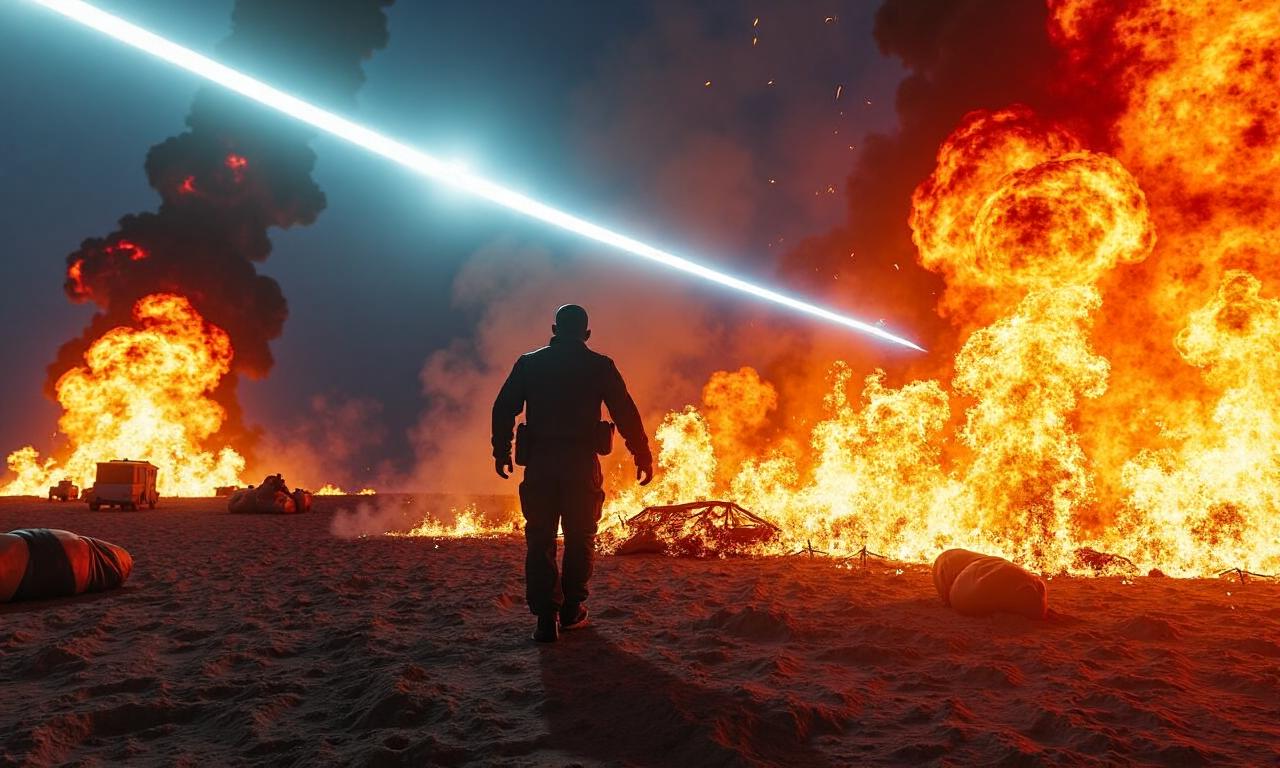
Peace had seemed within reach. Just hours after US President Donald Trump declared a two-week ceasefire to halt hostilities in the Middle East, the skies over Lebanon turned violent. Israeli jets executed a 10-minute aerial assault, killing at least 203 individuals and injuring over 1,000, according to Lebanon’s health ministry. The attack shattered the fragile hope for calm, as the region’s fragile truce crumbled under the weight of military action.
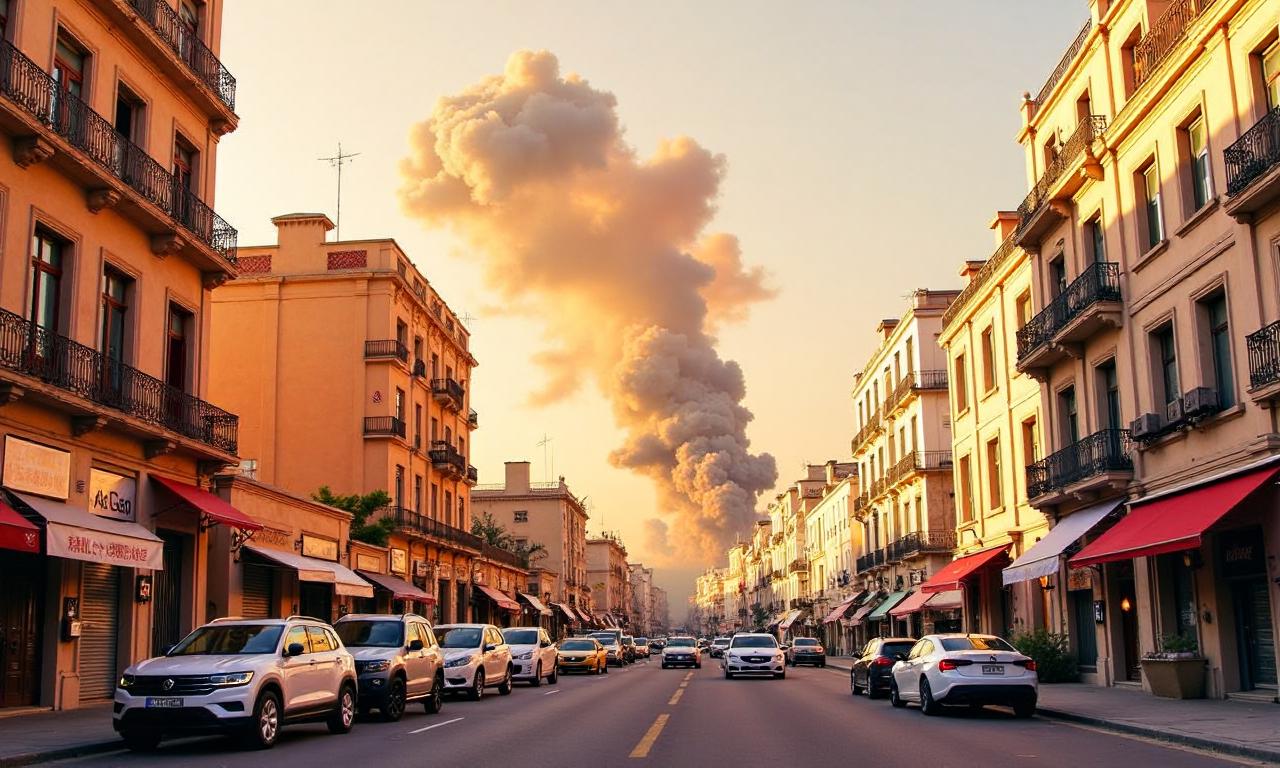
The strike targeted key Hezbollah strongholds in Beirut, Bekaa, and southern Lebanon, with the IDF claiming it struck “100+ headquarters, military arrays, and command centers.” The city center, including the affluent Tallet el Khayat neighborhood, bore the brunt of the devastation. A 10-story residential building was reduced to rubble, highlighting the unexpected nature of the assault. Civilians, caught off guard, faced the full force of the operation, which officials called the most intense since Hezbollah entered the conflict in March.
“This was a massacre,” said President Joseph Aoun, describing the toll on Lebanese lives. Prime Minister Nawaf Salam referred to the victims as “martyrs and wounded,” underscoring the scale of the tragedy.
Iran condemned the attack as a “grave violation” of the ceasefire, urging the US to stop Israeli “aggression.” The US, however, remained silent on its ally’s actions. Israel framed its strikes as necessary to weaken Hezbollah and meet remaining military goals. The conflict, which began with US and Israeli attacks on Iran on 28 February, has spiraled into a broader war involving Tehran’s proxies in Yemen and Lebanon.
Iran’s proposed plan demands a halt to fighting on all fronts, including against Lebanon’s resistance movement. Meanwhile, Israeli Prime Minister Benjamin Netanyahu’s government claimed the ceasefire did not extend to Lebanon, citing Hezbollah as the reason. Donald Trump echoed this, stating the deal was “because of Hezbollah” and that the war in Lebanon was “a separate skirmish.”
Amid the chaos, Beirut’s streets were eerily quiet on a crisp morning. The nation observed a day of mourning, with civil defense teams working tirelessly to recover bodies. Ziad Samir Itani, a leader of the teams, called the situation “new to Beirut,” noting the exhaustion of personnel after six weeks of relentless strikes. The attack left little hope for those still searching for missing loved ones, as the city’s heart was laid bare by the violence.
Pakistan Mediates Amid Escalation
Pakistan’s Prime Minister Shehbaz Sharif, acting as mediator, announced the ceasefire, stating that US allies had agreed to a pause “everywhere including Lebanon and elsewhere.” The nation is set to host peace talks on Friday, with the US offering a 15-point plan and Iran presenting its 10-point counter-proposal as starting points. Yet, the sudden Israeli strike has cast doubt on the deal’s viability, as the conflict rages on.
Israel’s ongoing operations have resulted in “70+ terrorists” being killed, with the IDF targeting Ali Yusuf Harshi, the secretary to Hezbollah’s leader. While the claim remains unverified, the attack has intensified the suffering of Lebanon’s people, who now face a renewed wave of destruction.