Table of Contents
ToggleAmazon to Discontinue Support for Early Kindle Models, Sparking Frustration
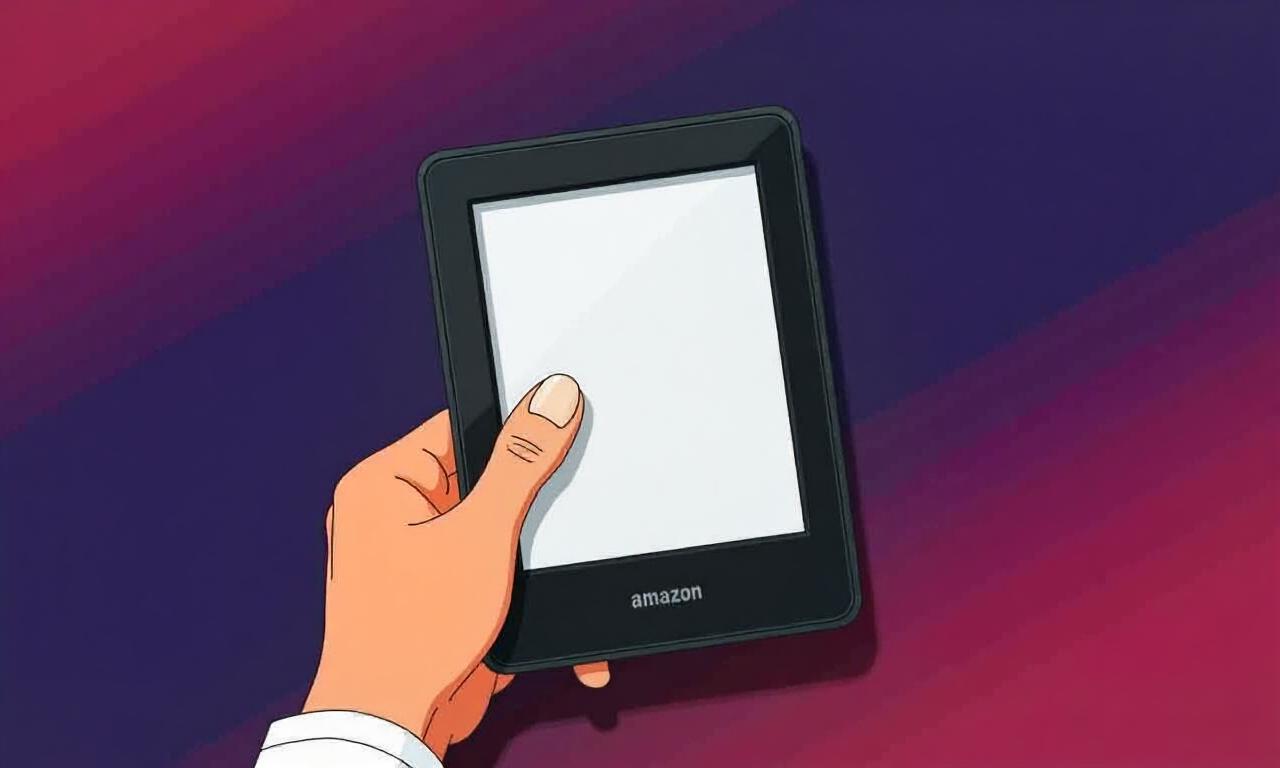
Amazon has announced it will stop providing updates for Kindles from 2012 and earlier starting May 20, 2026. The decision has upset many users, who feel it forces them to abandon devices that still function well. In a communication from the tech company, users were acknowledged as loyal customers, yet informed that devices launched in or before 2012 would cease to get updates beginning May 20. This change implies that users of older Kindles, including initial models like the Kindle Touch and select Kindle Fire tablets, will lose access to downloading new content.
User Reactions to the Policy Shift
Some customers have expressed anger over the move, with one X user stating,
“I’ve owned my Kindle Touch since 2013, and it functions well. I purchased a book on it just months ago, and now it’s considered obsolete.”
Another user remarked,
“A Kindle is a text-based device! Why would updates be necessary?”
These comments highlight the confusion and disappointment surrounding the decision.
Amazon emphasized that the affected models have received support for at least 14 years—some as long as 18 years. However, the company argued that technology has evolved significantly, making further support impractical. The affected devices include: [List of models as per original].
Despite the end of updates, users can still access previously downloaded e-books. Their accounts and Kindle Library will remain available through the mobile and desktop applications. Additionally, Amazon warned that a factory reset on these devices would render them inoperable, leaving users with limited options.
Analyst Perspectives and Environmental Impact
Paolo Pescatore, a tech industry analyst, noted that while the decision might inconvenience users of still-functional models, it’s justified from a security and support standpoint. He explained,
“The challenge is that these devices were built for a different era and are not equipped to run newer, more data-hungry services and features.”
Yet, he also pointed out that older devices losing connectivity to modern services could “turn a once seamless device into a far more limited offline tool.”
Ugo Vallauri, co-director of the Restart Project, criticized the practice of phasing out older models while promoting newer ones. He stated,
“This has happened before, but it hardly justifies rendering millions of still-working devices obsolete.”
According to some estimates, the policy could lead to 2 million devices being discarded, generating over 624 tons of e-waste. Vallauri highlighted the contradiction between the benefits of newer hardware and the abrupt end of support for existing ones.
Kay Aaronricks, 46, shared her surprise at the announcement. “It does show how much of a part that Kindle plays in my life,” she said, adding it had allowed her to “take all of my books with me” while working and traveling. “I love paper books like anyone does, but the Kindle is more practical,” Kay noted. She also raised concerns about advertisements on discounted newer models, questioning how they might disrupt the reading experience.
Additional reporting by James Kelly. Sign up for the BBC’s Tech Decoded newsletter to follow global tech developments. Outside the UK? Subscribe here.