Table of Contents
ToggleIran’s Management of the Strait of Hormuz Under Scrutiny
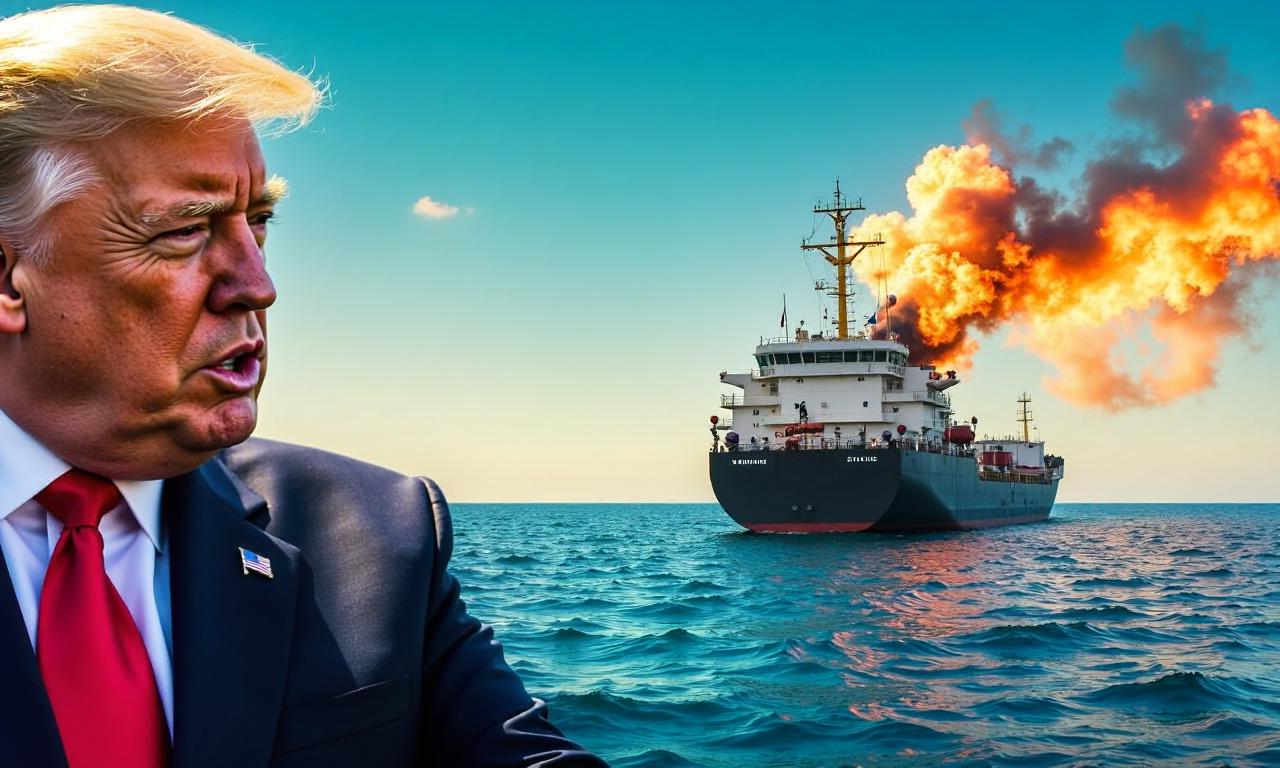
President Donald Trump of the United States criticized Iran for its “ineffective management” of oil traffic through the vital Strait of Hormuz, stating it was “not the agreement we have.” His remarks highlighted the growing tension surrounding the fragile ceasefire between Israel and Lebanon, which has sparked debates over its terms. The situation escalated as Israeli Prime Minister Benjamin Netanyahu announced plans to engage in direct talks with Lebanon, aiming to disarm Hezbollah, an Iran-backed militant group, and foster peace between the two nations.
Evacuation Warnings Amid Israeli Strikes
Israeli military actions on Thursday targeted Hezbollah’s rocket launch sites in southern Lebanon, leading to fresh evacuation alerts for residents in Beirut’s southern suburbs. The World Health Organization (WHO) head, Tedros Adhanom Ghebreyesus, noted that the Jnah area, home to two major hospitals, was included in the evacuation zone. He explained that approximately 450 patients, including 40 in critical care, could not be relocated due to the lack of alternative medical facilities.
“At this time, no alternative medical facilities are available to receive approximately 450 patients from the two hospitals (including 40 patients in the ICU), rendering their evacuation operationally unfeasible,” Tedros stated on X.
Confusion Over Ceasefire Terms
The ceasefire agreement, which began with ambiguity about Lebanon’s inclusion, saw conflicting claims from Iranian officials and Pakistani mediators, who supported its involvement, versus U.S. and Israeli officials, who insisted Lebanon was not part of the deal. This confusion led to Iran accusing Israel of violating the ceasefire, prompting it to block shipping through the Strait of Hormuz and threaten countermeasures.
Trump’s Stance on Hormuz and Ceasefire Talks
Trump, in an interview, addressed the situation at the Strait of Hormuz, where about 20% of global oil and LNG transit occurs. He claimed that Iran was “charging fees to tankers,” urging them to “stop now” if they continued. The U.S. State Department confirmed it would host a meeting next week in Washington to discuss ongoing negotiations between Israel and Lebanon.
“They better not be and, if they are, they better stop now,” Trump wrote on Truth Social.
Lebanese Government’s Role in Peace Talks
Lebanon’s government, which has restricted Hezbollah’s military operations since early March, is now engaging in talks with Israel. Prime Minister Nawaf Salam instructed security forces to limit weapons in Beirut to state institutions, emphasizing the need to “reinforce the full imposition of state authority over Beirut Governorate.” Netanyahu’s office praised the Lebanese call for Beirut’s demilitarization, framing the negotiations as a focus on “disarming Hezbollah and establishing peace relations.”
Despite Hezbollah’s presence in Lebanon’s government, the group remains an independent entity backed by Iran. The Lebanese cabinet’s directive to restrict weapons in the capital contrasts with the ongoing Israeli strikes, which have left at least 303 dead and wounded over 1,150 people in Wednesday’s attacks. With no clear commitment to a temporary ceasefire, the success of peace talks remains uncertain, as Hezbollah’s influence persists despite official bans on its military activities.