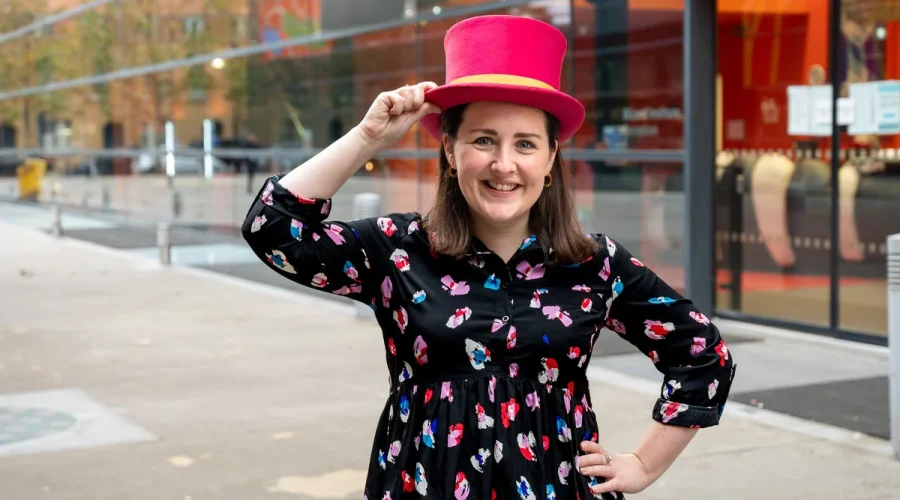
Theo Burrell, Beloved Antiques Roadshow Expert, Passes Away at 39
A Life Cut Short by Aggressive Brain Cancer
Antiques Roadshow star Theo Burrell dies – The television community has been mourning the loss of Theo Burrell, the cherished specialist from Antiques Roadshow, who has died at the age of 39. Her family announced the heartbreaking news through a heartfelt statement, sharing that Theo passed away peacefully on Wednesday afternoon, surrounded by her loved ones.
Burrell first joined the beloved BBC programme in 2018, quickly becoming one of the trusted team of experts who evaluated and valued treasured items brought forward by everyday members of the public. Her warm personality and keen eye for detail made her a favourite among viewers and collectors alike.
Her battle with illness began in June 2022, when she received a diagnosis of glioblastoma—a particularly aggressive form of brain tumour that typically offers a life expectancy of just 12 to 18 months. Despite the grim prognosis, Theo approached her condition with remarkable courage and determination.
A Family’s Heartfelt Tribute
Sharing their grief on Instagram on Saturday, Theo’s family revealed that neither Theo nor her medical team had anticipated such a rapid decline. “It is with great sadness that I share the news that Theo passed away peacefully surrounded by her family on Wednesday afternoon,” they wrote.
The family went on to celebrate Theo’s spirit and resilience: “She was an incredible person who fought hard for her family, friends and raising awareness of this cruel disease.”
Perhaps most poignantly, they noted how Theo had achieved milestones many believed impossible given her diagnosis. “She saw life events like her son’s first day at school and her wedding that a little over four years ago we thought she’d never see.”
“The cancer community provided so much comfort and strength to her in her darkest moments. But most of all it provided hope, and I think what she would want most of all is for other people to find hope in her story.”
The family’s message concluded with a powerful call for optimism: “Hope that the statistics aren’t gospel and that one day they’ll be very different.”
Advocacy and Love
Following her diagnosis at age 35, after months of deteriorating health, Theo underwent extensive treatment including life-extending surgery, radiotherapy, and chemotherapy. She was open about her struggles, previously revealing that she experienced “dark thoughts” after learning of her condition and feared she “wouldn’t see my son’s second birthday.”
Yet Theo found joy in defying expectations. “But I’m lucky enough to say I did! And no one can take that away from me,” she wrote in a recent social media post.
Her personal life also flourished during her journey. Theo married her husband Alex earlier this year, expressing her happiness in a social media message that it “feels so nice” to finally be wed after many years together.
Beyond her personal triumphs, Theo became a passionate advocate for glioblastoma research. The incurable disease affects approximately 3,200 people annually in the UK, with only around 160 expected to survive five years or longer. Campaign efforts led by Theo focused on securing greater government funding, improving diagnostic timelines, and advancing clinical trials.
“We are heartbroken that we have lost the phenomenal, determined and truly inspiring Theo Burrell to this devastating disease. She was always very open about her prognosis and knew from the outset her cancer was terminal but she was absolutely determined to make a difference for others.”
Dan Knowles, chief executive officer of Brain Tumour Research, which Theo became a patron of in 2023, reflected on her lasting impact. “She constantly inspired us with how big her heart was and we will continue on our mission, driven by everything she taught us.”
The charity’s tribute concluded: “Our thoughts are with her family, her friends and with all those who had the privilege of knowing her.”