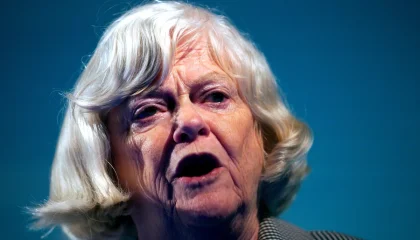
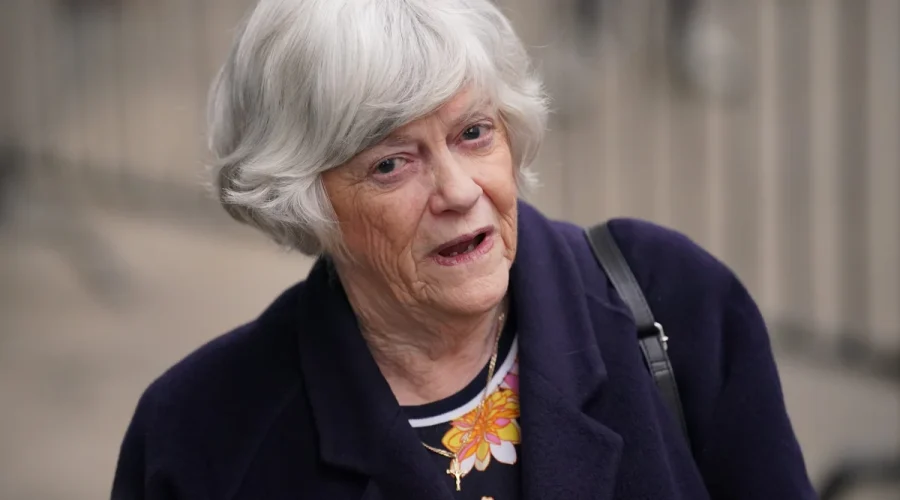
South Yorkshire Man Taken Into Custody Over Widdecombe Death
Police arrest 28 year old man – Authorities in South Yorkshire have detained a twenty-eight-year-old male suspect in connection with the fatal assault on Ann Widdecombe, the former parliamentarian and European parliament member. Law enforcement officials confirmed the arrest occurred on the evening of July 11, bringing a significant development to the ongoing investigation into the seventy-eight-year-old politician’s death. The suspect remains in custody as detectives continue their inquiries into the circumstances surrounding the tragic incident.
Timeline of Events
Widdecombe was discovered at her residence in Haytor, situated on Dartmoor, approximately at eleven forty in the morning on Thursday. She had sustained severe injuries prior to being found by concerned locals who had attempted to reach her. According to police statements released late Saturday, the attack is believed to have happened on Wednesday around twelve thirty in the afternoon, shortly after she sent her final WhatsApp message to a television producer.
Devon and Cornwall Police provided further details regarding the arrest, noting that Counter Terrorism Policing North East and South Yorkshire officers assisted in taking the suspect into custody on their behalf. Despite the involvement of counter-terrorism units, investigators emphasized that current evidence does not point toward a terrorism-related motive. The primary investigative responsibility remains with Devon and Cornwall Police, who are working closely with their colleagues to establish the full sequence of events.
“We can confirm that a 28-year-old man was arrested at an address in the South Yorkshire area this evening (July 11) on suspicion of the murder of Ann Widdecombe.”
“The suspect, who is a white British national, is now in police custody.”
“At this time, there is still no information to suggest that this is a terrorism-related incident and as a force we retain primacy of the investigation.”
Political Career and Public Recognition
Widdecombe’s political journey began when she was first elected as a Conservative Member of Parliament representing Kent in 1987. She subsequently served as a Member of the European Parliament for the Brexit Party before becoming a spokesperson for Reform UK. Beyond her legislative work, she gained widespread public recognition through her appearances on popular television programs, including Strictly Come Dancing and Celebrity Big Brother, which helped cement her status as a beloved public figure.
Following her death, Reform UK leader Nigel Farage traveled to the village to offer his personal tribute. The party has also arranged for twenty-four-hour security protection for all its Members of Parliament, with costs covered by Reform UK, in anticipation of potential similar incidents. This precautionary measure demonstrates the seriousness with which the party is treating the situation and the need to ensure the safety of its representatives.
WhatsApp Evidence and Final Communications
ITV News has released a collection of WhatsApp messages that appear to document Widdecombe’s last known interactions. The messages reveal a conversation with Matt Allwright, a producer for Channel 5’s program, ahead of her scheduled appearance on Wednesday. Her final message was sent at twelve nineteen in the afternoon, reading “Received! Panic Over!” as she acknowledged receiving a Zoom link for the broadcast.
When a follow-up message arrived at twelve forty-eight requesting her to join the video call, Widdecombe did not respond. Subsequent attempts to reach her by phone and message also went unanswered. Allwright announced on air at one twenty-seven in the afternoon that she was confirmed as a guest but had not yet appeared for the recording. The production team continued their efforts to contact her agent on both Wednesday evening and Thursday morning, unaware of the tragedy that had unfolded.
Community Response
Peter Horrell, Widdecombe’s personal driver for a decade, placed flowers outside her home on Saturday. In remarks to local reporters, Horrell shared that the politician had never expressed concerns about her personal safety and had grown to love living in Haytor. The family has been notified of the arrest, and investigators continue to work through the evidence surrounding the tragic incident. Local residents have also begun gathering to pay their respects, with many expressing shock at the sudden loss of such a well-known figure.