Motorists Face Peak Summer Travel Surge as Roads Expected to Hit Four-Year High
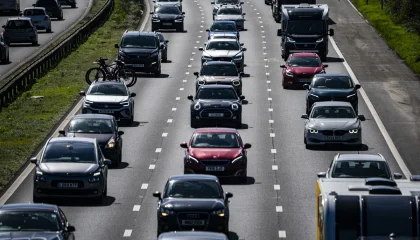
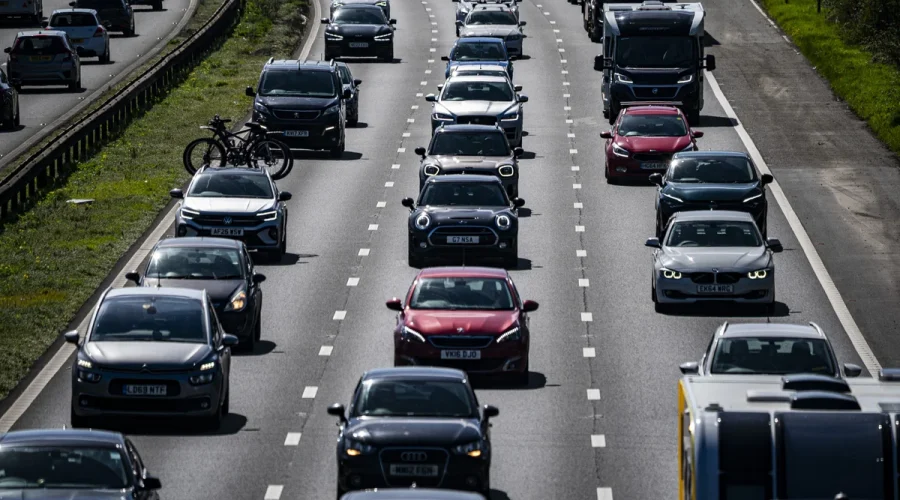
Traveloasisspot.com – Travelers across the United Kingdom are bracing themselves for what experts predict will be the most congested weekend getaway period in four years. According to calculations from the RAC, approximately 14.1 million drivers will take to the roads between Friday and Sunday for either extended holidays or shorter day excursions.
This figure represents the second-largest volume recorded since the motoring organization started monitoring such data back in 2016. The only year to surpass this current projection was 2022, when 18.8 million motorists set out on journeys following the relaxation of pandemic-related travel limitations.
School Holidays Drive Regional Travel Patterns
The timing of the surge coincides with the traditional end of the academic calendar for most educational institutions. Children in England and Wales will typically finish their final term either during the closing days of this week or within the first few days of the following one. Meanwhile, students in Scotland and Northern Ireland have already completed their school year, meaning families in those nations may begin their summer travels slightly earlier.
Within this three-day window, Saturday emerges as the single most active day for road travelers, with projections showing 3.8 million vehicles departing. Friday and Sunday are expected to see slightly lower but still substantial numbers, each attracting roughly 3.4 million motorists. Additionally, 6.8 million journeys will be distributed throughout the entire period, as many drivers remain flexible about their exact departure dates.
Identifying Congestion Hotspots
Geographic analysis indicates that the south-west and north-west regions of England will experience the heaviest concentration of leisure traffic. Transport analytics firm Inrix has pinpointed several specific corridors likely to face significant delays:
The M1 southbound route between Junction 16 near Northampton and Junction 6 approaching Watford stands out as a primary concern. Similarly, the M25 presents challenges in both directions, with clockwise traffic moving from Junction 15 (connecting to the M4) toward Junction 19 (Watford), while anticlockwise travelers will navigate from Junction 17 (Maple Cross) down to Junction 12 (the M3). The M60 clockwise section from Junction 7 at Altrincham through to Junction 18 (linking with the M62) and the M4 westbound stretch from Junction 22 (the Severn Crossing) extending to Junction 35 (Bridgend) round out the major problem areas.
Fuel Costs and Border Concerns
Beyond traffic congestion, motorists face another financial burden as fuel prices remain considerably elevated compared to the previous year. For a typical family vehicle with a 55-litre tank, filling up now requires an extra £8.90 for petrol and £21.20 for diesel relative to average costs twelve months ago.
RAC breakdown spokesperson Harriet Hernando noted that numerous households are opting for domestic vacations instead of traveling abroad. She attributed this trend to several factors, including flight cancellations, extended waiting times at European Union borders, and financial pressures stemming from the ongoing conflict in Iran affecting household budgets.
Drivers should be ready for the Saturday summer scramble and plan their journeys, thinking about setting off earlier or later in the day to avoid traffic jams.
People should prepare for delays and getting stuck in a jam in potentially very hot weather.
People should carry plenty of water, as well as suncream and an umbrella to provide shade.
Another significant concern involves the European Union’s Entry Exit System, commonly known as EES. Implemented completely in April, this digital framework requires visitors from third-party nations—including British travelers—to have their fingerprints captured and photographs taken before entering the Schengen Area. This zone encompasses 29 European nations, predominantly members of the EU.
While most UK passengers complete the EES registration at overseas airports, the process also occurs at domestic locations such as the Port of Dover, the Eurotunnel terminal in Folkestone, and London’s St Pancras railway station. In recent months, countless travelers have endured lengthy waits in EES-related queues.
Despite persistent requests from the travel sector to postpone the system until September due to concerns about worsening delays during peak holiday season, the EU has declined to make any changes. As families navigate this combination of domestic traffic challenges and international border procedures, careful planning remains essential for a smooth summer getaway experience.