Andrew’s Royal Lodge Lease: MPs Confirm ‘Value for Money’
Financial Terms Under Review
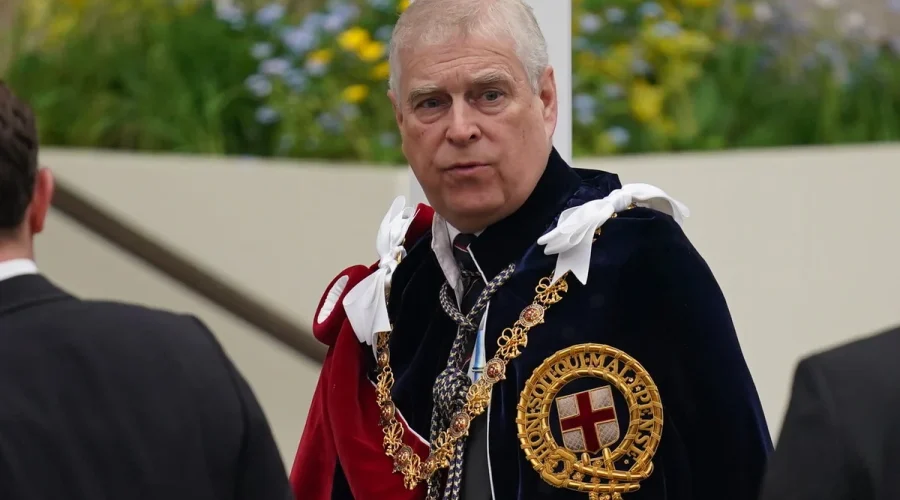
Traveloasisspot.com – Members of Parliament were told that Andrew’s Royal Lodge lease arrangement delivered strong value for money when first established. The Crown Estate faced scrutiny during a Public Accounts Committee session on Monday regarding the property’s financial terms. Andrew Mountbatten-Windsor, the late Queen’s second son, secured an undisclosed private income through subletting three cottages on his Royal Lodge estate. This arrangement continued for more than twenty years while he paid what is known as a peppercorn rent—a nominal, symbolic payment. These financial details emerged following a National Audit Office investigation published last month.
Background to the Dispute
The revelations came to light after Andrew, who had been stripped of his royal titles due to his connections with paedophile Jeffrey Epstein, was compelled to leave his residence. He relocated to Marsh Farm, located on the King’s Sandringham estate in Norfolk, following widespread public concern regarding the rent he was paying for the prestigious property. His leasehold contract showed that he paid £1 million to secure the lease. Since that initial payment, he has been required to pay only “one peppercorn” of rent annually, though this payment is only due “if demanded.” Additionally, the agreement required him to contribute a further £7.5 million toward refurbishment work that was completed in 2005.
Crown Estate chief executive Dan Labbad provided detailed explanation to the committee regarding the financial arrangements. Regarding the refurbishment costs, he stated:
“In the case of Royal Lodge, the £7.5 million in refurbishment costs, we were able to then take that money that we would otherwise have to spend, and invest in other things.”
He further explained how subletting arrangements factored into the financial calculations:
“Those potential income streams were taken into account in determining what best value was at the time.”
The evidence session formed part of the PAC’s broader inquiry examining the management and governance structures of the Crown Estate and its associated properties.
Mr Labbad emphasized that subletting represented a “reasonably common” practice within the property industry, particularly for long-term leaseholds. He noted that an independent valuation was conducted during the governance process when Andrew assumed control of the estate’s lease more than two decades ago. This valuation specifically considered the potential income that could be generated through subletting.
“The governance process that led to the arrangements at Royal Lodge in 2003 was such that a whole range of things were looked at – the premium, the refurbishment needs that would have otherwise been a Crown Estate cost, and a whole host of other elements…”
He continued:
“Within that, subleasing of the cottages was part of the independent valuation that informed both the consideration and the value for money requirements being satisfied.”
When questioned about the specific amount Andrew earned from subletting the cottages, Mr Labbad acknowledged that he did not possess this information, noting it remained a matter for the former duke in his capacity as tenant. James Chalmers, who serves as the King’s keeper of the privy purse and treasurer, appeared as an additional witness and suggested that the royal household would be capable of obtaining the figure.
“What I can say is the role we played with the NAO report, which we can play here, was we gathered the information from the other households, and I believe if the request were made for that information, we could provide it to the National Audit Office and therefore to the committee … We can get it.”
PAC Chairman Sir Geoffrey Clifton-Brown proposed that the royal household could provide the amount in confidence to the NAO if they preferred the figure not to be “more widely shared.”