Reform UK Faces Backlash Over Proposed Gaelic and Scots Election Material Restrictions
Traveloasisspot.com – Reform UK is confronting accusations that it seeks to effectively criminalize the use of Gaelic and Scots languages in Scottish election materials. The controversy centers on a proposed amendment to the UK Government’s Representation of the People Bill, which has drawn sharp criticism from Scottish political figures.
The Controversial Amendment
The SNP has characterized Reform’s proposed changes as both “despicable” and “anti-Scottish” in nature. The amendment, introduced by deputy leader Richard Tice, would mandate that all election materials—including placards, posters, and other political literature—must be produced in either English or Welsh. Under the proposed framework, individuals who violate these requirements could face imprisonment for a period of up to six months, alongside compulsory financial penalties. The amendment, which political analysts believe is unlikely to secure passage, received support from several Reform MPs: Lee Anderson, Sarah Pochin, Danny Kruger, Robert Jenrick, Andrew Rosindell, and Suella Braverman.
SNP Response and Criticism
The Scottish National Party has formally demanded that Reform withdraw the controversial proposals. Maree Todd, MSP representing the Highlands and Islands constituency, delivered a forceful critique of the amendment.
This despicable anti-Scottish amendment is deeply telling – Reform wants to see any trace of our native languages removed from Scottish politics.
Todd continued her criticism, noting that Reform’s ambitions extend beyond language restrictions.
Not content with plans to cut our MSPs and ‘review’ the powers of Holyrood, (Reform leader Nigel) Farage and his cronies want to threaten jail time upon anyone in Scotland who publishes political materials in Scots or Gaelic.
The MSP drew historical parallels to Scotland’s past, suggesting the amendment echoed “the brutal anti-Gaelic laws of the Highland Clearances.” She concluded by calling on Reform to apologize and immediately withdraw what she described as an “outrageous amendment.”
Broader Legislative Context
The Representation of the People Bill, if approved through parliamentary voting, would introduce several significant changes to the UK electoral system. Most notably, it would permit 16 and 17-year-olds to participate in the next general election. Additional provisions within the legislation include tighter regulations surrounding political donations, enhanced protections against foreign interference in domestic politics, a transition toward automatic voter registration, and an expansion of acceptable voter identification forms to encompass UK-issued bank cards.
Language Recognition in Scotland
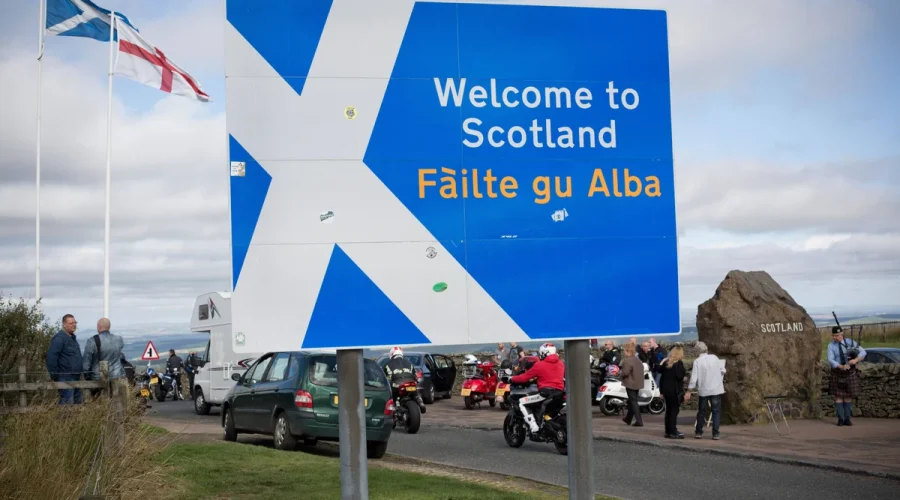
The proposed amendment has generated particular concern given existing legal protections for Scottish languages. Under the Scottish Languages Act, both Gaelic and Scots enjoy official language status within Scotland. Demographic data from the 2022 Census provides context for the scale of language use. Approximately 130,000 Scottish residents possess some level of Gaelic proficiency, while nearly 2.5 million individuals demonstrate varying degrees of Scots language skills. Reform UK has been approached for official comment regarding the controversy surrounding its proposed amendment.
Related Developments
In other political news, Reform MPs have been granted 24-hour protection following the death of Ann Widdecombe. Tice has characterized recent scrutiny of Reform UK’s financial arrangements as a “politically motivated smear.” Additionally, Widdecombe’s murder suspect has been identified as not being known to the anti-terror Prevent programme. The proposed language restrictions have reignited debates about Scotland’s cultural identity and the role of native languages in modern political discourse. Critics argue that requiring English or Welsh-only materials effectively marginalizes Scottish linguistic heritage, while supporters of the amendment contend that standardization promotes clarity in electoral communications. As parliamentary proceedings continue, the amendment’s fate remains uncertain. Political observers suggest that while the proposal may not achieve legislative success, it has successfully brought attention to ongoing tensions between Reform UK and Scottish political institutions regarding representation and cultural recognition.