Women in Immigration Detention Face Safety Concerns and Inadequate Protections
Male Detainees Spotted Peering Into Women’s Living Quarters
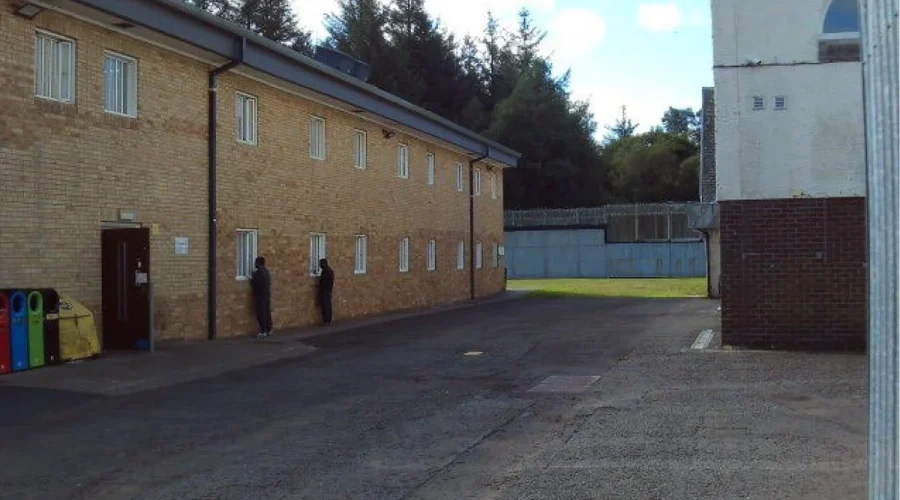
Traveloasisspot.com – A comprehensive investigation has revealed troubling instances of male detainees at an immigration facility observing women through their bedroom windows. According to findings published by the Chief Inspector of Prisons, these observations occurred at Dungavel immigration removal centre located in South Lanarkshire, Scotland. The report highlights a significant disparity in freedom of movement between genders, with female migrants frequently requiring staff accompaniment to navigate the facility, while male detainees enjoyed unrestricted access throughout the premises.
Charlie Taylor, the Chief Inspector of Prisons, authored the detailed examination which cautioned that female asylum seekers face potential dangers within the detention environment. His analysis uncovered that nearly half of the women residing at Dungavel—specifically 43 percent—experience feelings of insecurity when utilizing outdoor spaces within the centre.
Systemic Issues in Detention Management
Official statistics from the Home Office indicate that as of December 2025, a total of 119 women were accommodated across various immigration removal centres and residential short-term holding facilities throughout the United Kingdom. Dungavel operates with distinct sections for men and women, yet inspectors documented male detainees gazing through windows designated for female residents. Additionally, a collective of men approached staff members to inquire about restrictions preventing them from interacting with female detainees.
Some women said they never left the female unit unless absolutely necessary, while others were reluctant even when escorted.
The facility’s management faced further scrutiny regarding its handling of male detainees with documented risks. One individual assessed as potentially harmful to women remained in custody during the inspection period. Another male detainee, facing imminent legal proceedings for sexual offences, had been detained for more than twelve months prior to the report’s publication.
Women’s Voices and Daily Challenges
Personal accounts from female residents painted a picture of constrained daily life. One woman shared her frustrations with inspectors, explaining that male presence limited their outdoor activities and compressed their available time for personal matters.
We can(not) go outside because of the males and our time to do things are quick because of them.
These concerns are not entirely new. Initial warnings about conditions at Dungavel emerged in 2021 when Taylor cautioned that female detainees were being compelled to share spaces with men who possessed histories of sexual violence, a situation exacerbated by pandemic-related restrictions.
Transportation and Medical Considerations
Beyond immediate safety concerns, Taylor’s report criticized administrative decisions regarding the relocation of women across the country during nighttime hours. The investigation revealed that pregnant women, those suffering from physical ailments, and individuals vulnerable to self-harm or suicidal tendencies were sometimes transferred without adequate consideration for their medical needs or the suitability of such movements.
One woman described the process of being transferred as psychological torture.
The report noted that these extensive journeys could prove both exhausting and disruptive, potentially worsening pre-existing health conditions. Furthermore, inspectors identified problematic practices concerning the application of handcuffs, including instances where pregnant women were restrained.
Looking Toward Improvement
Taylor reflected on the broader implications of his findings, noting that women constitute a smaller portion of the immigration detention population compared to men. Consequently, their experiences remain largely influenced by policies originally crafted for male detainees.
This report outlines where current processes fall short for women, but also what is working well. In the facilities we visited for this review, we found compassionate and committed staff working hard to support a complex population.
The inspector expressed hope that the Home Office and its contracted partners would utilize these recommendations to enhance support systems for particularly vulnerable detainees. While acknowledging areas requiring improvement, the report recognized the dedication of personnel working within these challenging environments to provide meaningful assistance to those under their care.