Escalating Tensions: US Intensifies Strikes on Iran Amid Diplomatic Negotiations
Traveloasisspot.com – American military forces have continued their campaign against Iran for a sixth consecutive day, with the White House emphasizing that strikes could occur at any moment and in any location. The sustained offensive represents a significant escalation in what has become one of the most volatile geopolitical confrontations of recent years, as both nations navigate a complex path between military action and diplomatic resolution.
Military Operations and Strategic Objectives
The American military has articulated clear objectives for the ongoing operations, stating that the latest attacks are designed to “further degrade Iranian military capabilities” as raids continue to intensify across the region. These strikes come against a backdrop of heightened tensions in the Persian Gulf, where the strategic importance of the waterway cannot be overstated for global energy markets and international commerce.
The White House has made its position unequivocally clear through press secretary Karoline Leavitt, who emphasized that President Trump would not permit ships to be targeted in the Strait of Hormuz without the Iranian regime facing meaningful consequences. This stance reflects a broader strategy of combining military pressure with diplomatic engagement to achieve American objectives in the region.
“President Trump is not going to sit by and allow these active acts of terrorism to take place in the Strait without ensuring Iran pays consequences for that, and that’s what we are witnessing right now.”
The Strait of Hormuz: A Critical Chokepoint
The contested Gulf waterway has emerged as the focal point of this escalating conflict, with both nations claiming different interpretations of international law regarding freedom of navigation. The strait had remained open prior to the military offensive launched jointly by the United States and Israel on February 28, which fundamentally altered the regional security landscape.
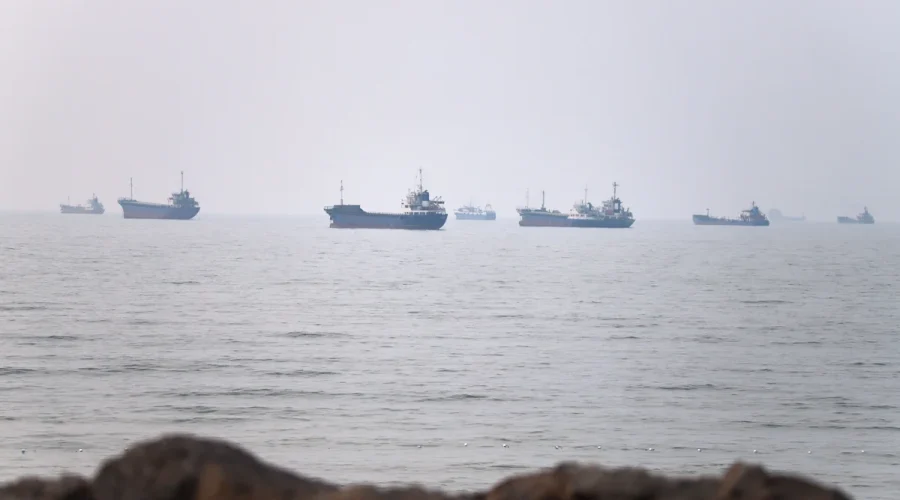
In response to American and Israeli actions, Tehran effectively closed the waterway to maritime traffic, creating immediate disruptions to global oil and gas supplies. The closure sent shockwaves through international markets, driving up fuel and food prices worldwide as shipping companies adjusted their routes and operations to avoid the contested zone.
Despite the initial ceasefire agreement known as the memorandum of understanding, Iran has continued to assert control over the sea route by requiring vessels to seek permission before transiting. This approach has raised the specter of future charges and potential attacks on commercial vessels, further complicating the diplomatic situation.
“The reason for the recent strikes over the course of the last several days is because Iran violated the memorandum of understanding that we struck with them. Specifically, in the memorandum of understanding that they signed, they were not to fire on commercial vessels moving through the Strait of Hormuz, and unfortunately, they have made the tragic decision, for them, to do that.”
Diplomatic Engagement and Conflicting Narratives
While military operations continue, the White House has confirmed that diplomatic channels remain open between Washington and Tehran. Leavitt noted that Iran continues to express its desire to reach an agreement, citing the devastating blows delivered by American military forces as motivation for seeking resolution.
The administration has also addressed concerns about mixed signals from different levels of government. President Trump has characterized the Iranian regime as “scum” and described negotiations as potentially wasteful of time, while Vice President JD Vance has been more critical of those who oppose engaging with Tehran. Leavitt assured the public that both leaders remain aligned on the current approach to the conflict.
One particularly contentious issue involves the strike on an Iranian school at the beginning of hostilities, which resulted in the deaths of more than 100 children. Despite substantial evidence suggesting this was a tragic error by American forces, Trump has maintained that the military was not responsible. Leavitt explained that the defense department is actively investigating the matter and that the president believes American forces consistently act in good faith and never intentionally target civilians or children.
“Under no circumstances and in no way will we allow America, as a foreign and extra-regional country, to interfere in the Strait of Hormuz.”
Naval Blockade and Maritime Enforcement
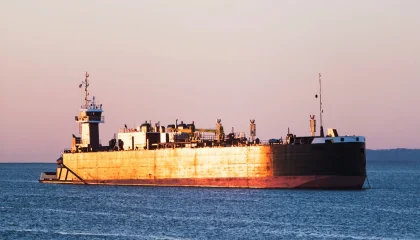
The reimposed naval blockade of Iranian ports has already demonstrated its effectiveness, with at least one vessel reportedly disabled by American missile fire while attempting to breach the restrictions. This enforcement action underscores the seriousness with which the United States is pursuing its objectives in the region.
Leavitt concluded by emphasizing that the president has demonstrated to both Iran and the international community that American forces possess the capability to strike anywhere, at any time, and that Iran’s ability to defend itself has been substantially diminished. As both nations continue their complex dance of military action and diplomatic engagement, the world watches closely to see whether this confrontation will escalate further or find resolution through negotiation.