Burnham Pledges Unashamed Labour Leadership Ahead of Transition
A Bold New Direction for the Party
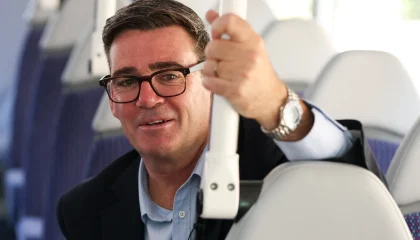
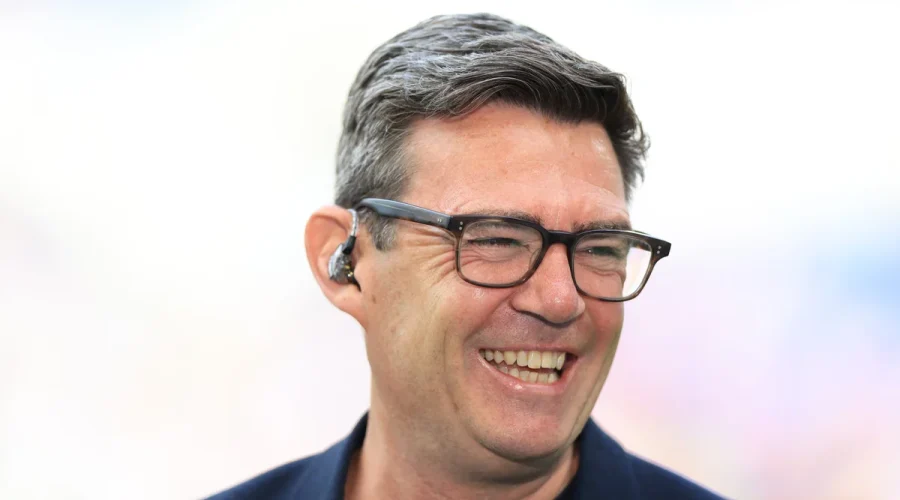
Traveloasisspot.com – The incoming Labour leader has announced he will pledge to be unashamedly committed to his party’s values as he prepares to take on the role. The former Greater Manchester mayor, who recently returned to Westminster as the Makerfield MP, is set to deliver a major address this Friday before officially succeeding Sir Keir Starmer as prime minister next week.
This leadership transition marks a significant moment for the party. The incoming leader will be formally confirmed at a special conference before entering Number 10 on Monday, seeking to build on his predecessor’s foundation while establishing his own distinct vision for Labour’s future.
Economic Renewal and Regional Devolution
Central to the new leadership’s agenda is a comprehensive approach to economic renewal, with emphasis on greater public control and reindustrialisation. He intends to challenge prevailing narratives by highlighting what he describes as critical missteps in British history.
“Britain took a series of wrong turns in the 1980s,” the incoming leader is expected to declare, “when political power was centralised and economic power privatised.”
According to forthcoming statements, restoring prosperity will require “a new path to the one we’ve been on for the last 40 years.” This vision includes decentralising authority through an ambitious devolution programme and establishing what he terms a “No 10 North” – an administrative outpost of Downing Street in Manchester.
The incoming leader has also signalled his intention to maintain fiscal discipline by adhering to Rachel Reeves’ established rules, while honouring manifesto commitments regarding taxation. He has pledged not to increase income tax, VAT, or national insurance, though he has stopped short of eliminating the possibility of introducing a wealth tax.
Unprecedented Mandate and Unity
The path to leadership has been remarkably smooth, with the candidate emerging as the sole person capable of securing the necessary backing to replace Sir Keir. His credentials were validated by an overwhelming endorsement from 369 of the party’s 403 MPs, significantly exceeding the threshold of 81 required for confirmation.
Furthermore, he garnered support from eight of the eleven unions affiliated with Labour, demonstrating broad-based enthusiasm across different sectors of the party. This substantial mandate positions him to pursue his agenda with considerable authority.
In his upcoming speech, he will emphasise his determination to foster greater unity within the party. He plans to acknowledge Sir Keir’s contributions in returning Labour to government while celebrating the accomplishments achieved since 2024, particularly improvements in workers’ rights, healthcare through the NHS, and the legislative progress represented by the Hillsborough Law.
Building His Senior Team
As the new leader prepares to take office, questions persist regarding the composition of his senior team. Several prominent figures have been mentioned as potential candidates for key positions, including Energy Secretary Ed Miliband, Home Secretary Shabana Mahmood, and Foreign Secretary Yvette Cooper, all of whom have been speculated as possible choices for chancellor.
On the strategic front, he has appointed Matthew McGregor as his No 10 director of political strategy. McGregor brings valuable experience from his work on electoral campaigns both domestically and internationally, and currently serves as chief executive of the campaign organisation 38 Degrees.
Looking Ahead
The leadership ascent comes at a crucial juncture for Labour, which has found itself trailing Reform UK in opinion polling for approximately eighteen months. The party hopes that this appointment will generate renewed momentum and reverse recent trends.
Sir Keir has expressed confidence in the incoming leader’s ability to secure victory in the forthcoming election, stating that he is “proud to hand over the party in good shape” to his successor. Nevertheless, observers will be watching closely to determine how significantly his approach will diverge from the policies implemented under Starmer’s leadership.
“We will be unashamedly Labour in our priorities and in the decisions we take, putting people and places at the heart of everything we do,” the new leader is set to affirm.
With his plans to focus on fixing neglected issues and arguing forcefully for his proposals, he aims to demonstrate both the “courage to fix the big things that politics has neglected” and the “conviction to argue for our plans” as he leads the party into the future.