Bromley Asylum Hotel TLK Apartments Reopens to Public as Home Office Shuts Down 20 Migrant Housing Sites
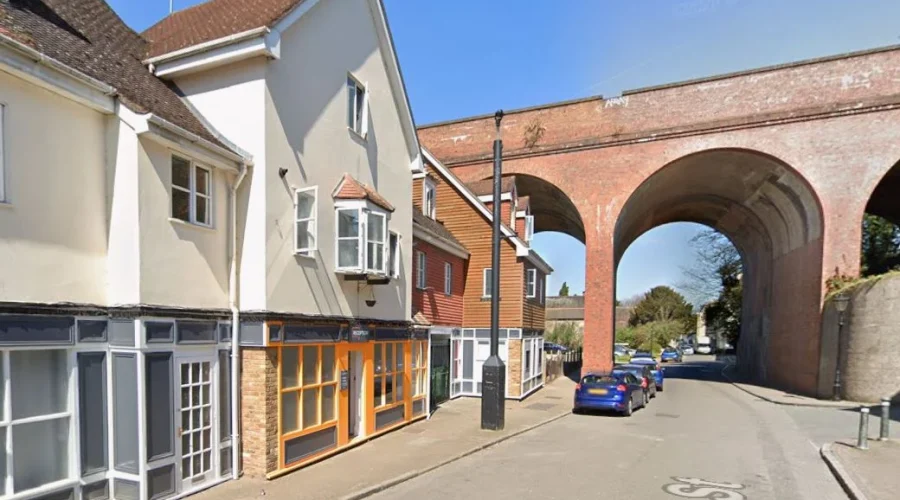
Traveloasisspot.com – The TLK Apartments in St Mary Cray, Bromley, have resumed operations for the general public after a three-year period of being converted into temporary housing for asylum seekers, according to the Home Office. This development marks a pivotal shift in the borough’s approach to accommodating migrants, as the government continues its efforts to streamline asylum accommodation and return properties to their original purpose.
Government Aims to Reduce Illegal Migration Incentives
The decision to repurpose TLK Apartments aligns with the broader strategy of the UK government to diminish the appeal of unauthorized migration. By closing 20 asylum hotels nationwide, officials claim they are creating a more efficient system that prioritizes cost-effective solutions over traditional hotel-based accommodations. The closures, which include two properties in Greater London—TLK Apartments and the Best Western Wembley—reflect a targeted effort to reduce the number of sites used for housing asylum seekers.
Among the affected locations, the Bell Hotel in Epping has also been vacated and returned to public use. The Home Office emphasized that all 20 hotels had been housing asylum seekers, with the majority of residents arriving in the UK without prior authorization. This step is part of an ongoing campaign to shift focus from high-cost urban hotels to more basic, large-scale facilities that can accommodate a greater number of people efficiently.
Bromley Council’s Reassurance on Residents’ Status
Bromley Council has expressed satisfaction with the return of TLK Apartments to normal use, noting that it was the borough’s sole asylum hotel. Despite initial concerns raised by local communities, the council clarified that residents at the site were not primarily single young men, as previously reported. Instead, the hostel accommodated children, women, and families in temporary stays, awaiting final decisions on their immigration status.
A spokesperson for Bromley Council reiterated that no police investigations were underway related to asylum seekers at TLK Apartments. The council also highlighted that none of the former residents had been placed on its housing register, assuring the public that the transition back to regular operations would not create new housing pressures within the borough. This statement came after local reports suggested the hotel had been associated with incidents of racial tension.
Indeed, racist graffiti was discovered in St Mary Cray near TLK Apartments, with some attributing it to the presence of asylum seekers in the Orpington area. The council used this opportunity to address misconceptions and stress that the closure of the hotel was a government decision, despite their earlier objections. The move underscores a broader policy shift, as officials aim to decentralize asylum care and focus on long-term integration plans.
Previous Reopenings and Financial Impact
Earlier this year, 11 asylum hotels were reopened, a decision that the Home Office asserts has already yielded significant savings. The department claims these reopenings have saved taxpayers £170 million this financial year, demonstrating the effectiveness of repurposing sites to reduce reliance on private accommodations. This initiative is part of a larger plan to cut the number of asylum seekers housed in hotels by over half, from a peak of 56,000 to just 21,000.
The reduction in asylum hotel numbers has been so substantial that the total count has more than halved, dropping to nearly 170 from its former high. This represents a major shift in how the government manages migration, moving away from the previous model of using urban hotels to a more centralized approach with large, basic sites. Minister for Border Security and Asylum, Alex Norris, defended the strategy, stating: “We promised to close every asylum hotel and hand them back to communities. That is exactly what we are doing here in Greater London.”
Norris further emphasized that the closures were part of a systemic effort to bring control back to the immigration process. He noted that 20 more hotels have been vacated across England, with hotel numbers now at their lowest since the policy began. “This is a system being brought back under control,” he said, adding that the government remains committed to achieving its goal of reducing the number of asylum seekers in the long term.
Community Reactions and Policy Challenges
The return of TLK Apartments to public use has been met with mixed responses from local residents. While some welcome the change, others have raised concerns about the impact of asylum seeker housing on the community. The council’s statement aims to reassure residents that the former residents of the hotel are not being rehoused locally, addressing fears of increased housing demand.
However, the policy has not been without controversy. Earlier this year, ministers faced backlash for using military barracks to house asylum seekers, a move that sparked debates about the conditions of temporary accommodation. The issue has been further complicated by recent reports of asylum seekers being relocated to areas like Orpington, where incidents of racial graffiti have been linked to the presence of migrants in the community.
Despite these challenges, the government remains steadfast in its approach. Norris highlighted that the decision to close asylum hotels is a necessary step to ensure the immigration system remains efficient and cost-effective. He acknowledged that the process has drawn criticism but insisted it was a “vital measure” to achieve long-term control over migration flows. “We will not stop until the job is done,” he added, emphasizing the government’s determination to implement its vision.
Broader Implications for Asylum Accommodation
The closure of these sites is part of a wider transformation in how the UK manages asylum seekers. By reducing the number of hotels in operation, the government hopes to create a more streamlined process, with fewer locations requiring resources and oversight. This approach also allows for greater flexibility in accommodating asylum seekers, as larger, more basic sites can be adjusted to meet changing needs.
The Home Office has been proactive in explaining the rationale behind these closures, highlighting that they have been strategically chosen to align with the country’s immigration goals. While the reduction in hotel numbers has saved money, critics argue that the policy may have overlooked the human impact on residents. Nevertheless, the government continues to present its actions as a success, citing the financial savings and the improved efficiency of the system.
As the TLK Apartments reopen, the focus shifts to how the community will adapt to this change. Local authorities are now tasked with ensuring that the transition is smooth, and that any residual concerns about asylum seeker housing are addressed. The closure of these sites also sets a precedent for other regions, as the government aims to replicate this model across England. With 20 more hotels now shut down, the path toward a more controlled immigration system appears to be steadily unfolding.
Additional Context and Related News
Meanwhile, other developments have emerged in the broader context of migration and housing policies. Police were recently forced to intervene after swimmers invaded a wildlife pond in Hampstead Heath, sparking discussions about public behavior and environmental conservation. In another unrelated story, transfer news reported that Arsenal had made a bid for players in Guimaraes, while Manchester United and Chelsea were among the clubs with recent acquisitions. These stories, though distinct, highlight the diverse challenges faced by the UK in managing both migration and domestic affairs.
Separately, headlines have also focused on the World Cup, where Scotland’s elimination prospects were discussed following Senegal’s victory. Fans debated whether the team’s chances had been significantly affected, with some pointing to the absence of key players like Erling Haaland and Martin Odegaard from the Norway vs. France match. These narratives, while not directly related to the Home Office’s actions, reflect the ongoing public interest in how immigration policies impact national and international events.
As the TLK Apartments begin accepting public bookings, the case serves as a microcosm of the broader policy changes taking place. The reopening of the hotel marks a symbolic victory for the government’s approach, but it also opens the door to further scrutiny. With the number of asylum seekers in hotels now at 21,000, the long-term success of this policy will depend on its ability to balance efficiency with the needs of those seeking refuge in the UK.