Streeting says he wants to make: Streeting Outlines Vision for UK Military Readiness as New Defence Secretary Traveloasisspot.com – In his inaugural
Streeting Outlines Vision for UK Military Readiness as New Defence Secretary
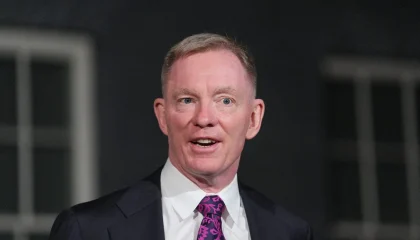
Traveloasisspot.com – In his inaugural public appearance as the United Kingdom’s Defence Secretary, Wes Streeting articulated a comprehensive strategy to position the nation for potential conflict. The new minister emphasized that preparing the armed forces to engage in and prevail during wartime remains his paramount objective. During this address, Streeting also addressed emerging discussions regarding potential taxation increases to fund expanded military expenditures. These conversations arise as international pressure mounts on Britain to elevate its defence commitments to 3.5% of gross domestic product by the year 2035, according to NATO requirements. John Healey, who has assumed the role of Chancellor following his tenure as defence secretary, has publicly committed to fulfilling Britain’s international obligations. When questioned about the new administration’s approach to increasing military funding, Streeting characterized Healey as a steadfast ally for defence priorities.
Strategic Priorities for Military Modernization
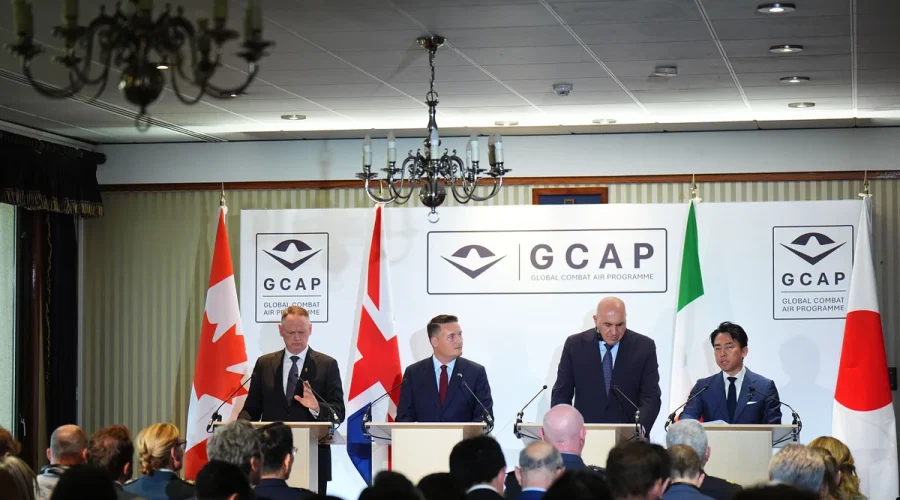
Delivering remarks in London alongside defence ministers from Italy, Japan, and Canada, Streeting outlined his vision for strengthening Britain’s military capabilities.
My focus is on maximising our deterrence and ensuring that, should deterrence fail, we’re ready to fight and win alongside allies.
The Defence Secretary explained that this approach encompasses revitalizing domestic manufacturing and expanding production capabilities. This strategy aims to supply the armed forces with essential equipment while simultaneously supporting British industry and creating employment opportunities across all regions of the country.
That means reindustrialisation and building back up our production capacity, so we can give our armed forces the kit they need, as well as building and buying British, so that we deliver good jobs in communities in every part of our country.
Streeting further emphasized the importance of advancing defence technology through innovation while maintaining personnel as the cornerstone of military strength.
It also means pushing the frontier of defence innovation, exactly as we are doing today, and it means keeping our people at the heart of defence.
Financial Considerations and Defence Bonds
When pressed about whether tax increases might accompany higher defence spending, Streeting offered a measured response without committing to specific fiscal measures. He suggested that social justice initiatives and enhanced national security could complement rather than contradict each other.
As to future fiscal events, it’s for the Chancellor to make announcements on those matters but I certainly feel like we’ve got a firm friend in His Majesty’s Treasury.
Previously, Healey indicated openness to utilizing defence bonds—specialized borrowing instruments designated for military purposes—to strengthen defence finances. However, sources suggest the Burnham administration does not view this mechanism as the primary solution for funding increased military expenditure.
Canada Joins Global Combat Air Programme
Streeting’s comments coincided with Canada’s formal entry into the UK-Italy-Japan Global Combat Air Programme as an observer nation. This collaborative initiative involves developing a sixth-generation fighter aircraft, informally known as Tempest. The forthcoming aircraft will incorporate advanced technologies including artificial intelligence and next-generation sensor systems. Western nations are pursuing this project to maintain aerial dominance against emerging threats from Russia and China. Canada’s observer status grants privileged access to the programme without conferring decision-making authority. This arrangement establishes a foundation for potentially deeper Canadian involvement in the future.
Political Context and Leadership Transition
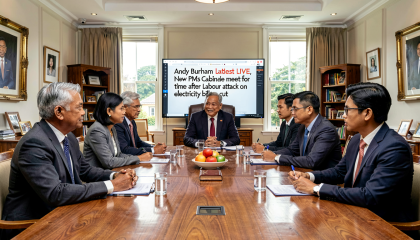
Both Streeting and Prime Minister Burnham have recently assumed their positions following a period of controversy surrounding defence spending during Sir Keir Starmer’s final months in office. Healey departed his role as defence secretary in June, citing insufficient funding in the existing investment plan to secure the armed forces’ future. He also criticized the former prime minister for failing to establish a credible timeline for meeting NATO’s defence spending obligations. The new leadership team now faces the challenge of balancing immediate military requirements with long-term strategic objectives while navigating domestic political considerations.
Related SEO Topics
- Home
- Artikel terkait Streeting says he wants to make
- Defence shares climb on investment hopes after new Chancellor named
- Russian firing exercise off UK coast ‘irresponsible’, says Wes Streeting
- Harry Styles cancels Brazil show due to ‘tour illness’
- Father admits filming women at night through their windows
Frequently Asked Questions
What is Streeting says he wants to make?
Streeting says he wants to make is the main topic covered in this article, with practical context to help readers understand the subject clearly.
Why does Streeting says he wants to make matter?
Streeting says he wants to make matters because it helps readers compare options, avoid common mistakes, and make a more informed decision.
How should readers use this Streeting says he wants to make guide?
Use the key points, examples, and related links in this page as a starting point, then review the latest details before making a final decision.