UK withdraws diplomatic staff from Iran: British Diplomatic Personnel Relocate as Iranian Conflict Intensifies Traveloasisspot.com – Britain has pulled
British Diplomatic Personnel Relocate as Iranian Conflict Intensifies
Traveloasisspot.com – Britain has pulled its remaining diplomatic personnel from Iran while tensions with the United States continue to mount following a twelfth consecutive evening of American military strikes against Iranian targets. The Foreign, Commonwealth and Development Office confirmed the temporary evacuation through an official statement published on its website, noting that security conditions necessitated the withdrawal of UK staff from Iranian soil.
Despite the physical departure of embassy personnel, the British diplomatic mission remains active through remote operations. The FCDO has simultaneously issued a comprehensive travel advisory recommending against all journeys to Iran, emphasizing that British citizens and those holding dual British-Iranian nationality confront what officials describe as a significant risk of arrest, questioning, or detention while in the country.
Due to the security situation, UK staff have been temporarily withdrawn from Iran. Our embassy continues to operate remotely.
This diplomatic retreat mirrors a similar decision taken in February, just prior to the commencement of joint American and Israeli combat operations in the region. The timing suggests British officials are responding to escalating hostilities that have drawn the United Kingdom into closer alignment with its American allies.
US Central Command provided detailed information regarding the latest round of military operations, explaining that the twelfth night of attacks aimed to further diminish Iran’s capacity to threaten civilian mariners and commercial shipping vessels navigating regional waters. The military command announced the conclusion of the most recent strike wave on Thursday morning, revealing that American forces had targeted multiple military installations including maritime capabilities, missile and drone storage facilities, coastal surveillance sites, and air defence assets.
The strikes further degrade Iran’s ability to attack civilian mariners and commercial vessels.
According to Iranian state media, missiles impacted areas near the western Iranian cities of Ahvaz, Ramshir, and Andimeshk. The same sources reported that two individuals lost their lives in Shalamcheh, a town situated along the Iraqi border.
Regional security concerns extended beyond Iran’s borders, with Kuwait’s military announcing via social media that the nation’s air defences were actively confronting attacks by hostile drones. Kuwait attributed these aerial threats to what it described as Iranian aggression.
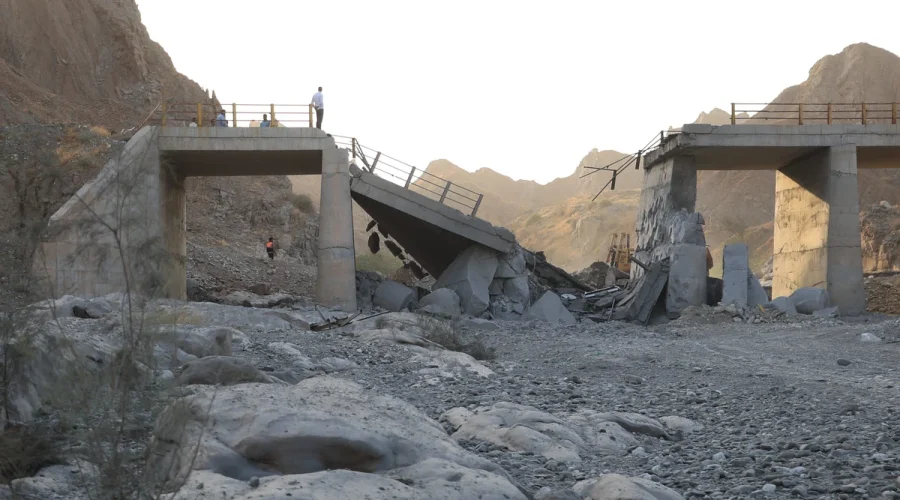
US President Donald Trump had previously issued a stern warning regarding consequences for Iranian actions in the strategically vital Strait of Hormuz. The American president declared through social media that any time the Islamic Republic of Iran fires upon a vessel in the strait—whether through missiles, rockets, drones, or other weapons—the United States would respond by bombing and destroying one bridge or power plant.
Iran’s foreign minister, Seyed Abbas Araghchi, communicated Tehran’s commitment to an “eye for an eye” retaliatory strategy. He stated on social media that any aggression directed against Iran, including attacks on Iranian infrastructure, would force a powerful and decisive response from Tehran.
The eleventh night of strikes, which concluded on Wednesday, witnessed Iranian air defences opening fire over the capital city of Tehran. During this period, Iran also launched a missile attack targeting a Jordanian city while security alerts were activated in both Bahrain and Saudi Arabia.
In response to American military actions, Iran has directed its counterattacks toward energy infrastructure and desalination plants that supply drinking water to neighbouring Gulf states. International legal frameworks generally prohibit such strikes against civilian infrastructure unless these facilities are actively being utilized for military purposes—a distinction that has become central to the ongoing diplomatic and legal debates surrounding the conflict.
The Strait of Hormuz remains a critical chokepoint for global energy supplies, with approximately one-fifth of the world’s oil consumption passing through these narrow waters daily. Any disruption to shipping in this region has immediate implications for international energy markets and global economic stability.
British officials are closely monitoring developments as the situation evolves. The temporary withdrawal of diplomatic staff represents a precautionary measure rather than a complete evacuation, allowing the embassy to maintain essential functions while ensuring the safety of its personnel. The FCDO continues to advise British citizens to avoid non-essential travel to Iran until security conditions improve significantly.
Related SEO Topics
- Home
- Artikel terkait UK withdraws diplomatic staff from Iran
- Family announces public memorial for Ann Widdecombe later this year
- Horoscope today: Your daily guide forThursday, July 23, 2026
- Hackney woman jailed for blackmail in Hong Kong after banker rape claim
- Neighbourhood crime plunges in London as Sadiq Khan slams ‘dystopian hellhole’ narrative
Frequently Asked Questions
What is UK withdraws diplomatic staff from Iran?
UK withdraws diplomatic staff from Iran is the main topic covered in this article, with practical context to help readers understand the subject clearly.
Why does UK withdraws diplomatic staff from Iran matter?
UK withdraws diplomatic staff from Iran matters because it helps readers compare options, avoid common mistakes, and make a more informed decision.
How should readers use this UK withdraws diplomatic staff from Iran guide?
Use the key points, examples, and related links in this page as a starting point, then review the latest details before making a final decision.