Stormont Leadership Demands Immediate Treasury Engagement Over Budget Standoff
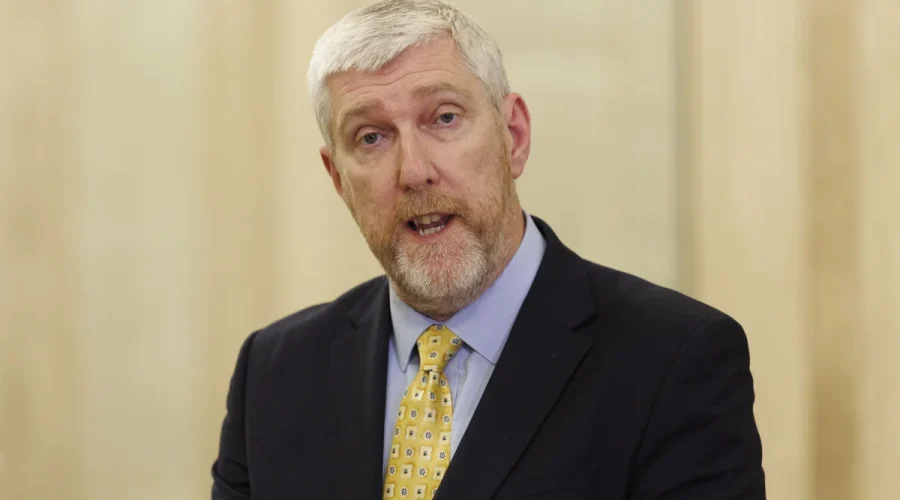
Traveloasisspot.com – Northern Ireland’s financial leadership has escalated its appeal to Westminster, with Finance Minister John O’Dowd formally requesting an expedited discussion with the Chancellor regarding the region’s mounting fiscal pressures. The request comes as Stormont continues to operate without a finalized budget for the 2026-27 financial year, leaving government departments running on temporary contingency arrangements since April.
Mounting Financial Uncertainty
The prolonged budget impasse has created what ministers describe as significant operational challenges across the region. Without a settled budget framework, departments face increasing difficulty in planning long-term initiatives and maintaining consistent service delivery. The situation has forced officials to make reactive, short-term decisions at a moment when strategic, forward-looking choices would be more beneficial for Northern Ireland’s public sector.
The Funding Crisis Explained
Across the four-party Executive, ministers have consistently emphasized that additional resources from the Treasury are essential to address what they characterize as a critical funding shortfall. Public services in Northern Ireland—including healthcare, education, and infrastructure—require sustained investment to meet growing demands. The absence of a comprehensive budget agreement means that these services operate under financial constraints that could compromise their effectiveness and future development.
Westminster’s Position
Sir Chris Bryant, serving as Northern Ireland Secretary, provided insight into the UK government’s approach during his inaugural visit to Belfast in July. Rather than offering immediate financial relief, Bryant indicated he possessed “a checklist of things I want to get sorted” rather than simply opening a chequebook. This statement suggested a more measured, principle-based approach to resolving Stormont’s financial difficulties.
O’Dowd’s Formal Appeal
On Monday, Finance Minister O’Dowd articulated the conditions necessary for budget resolution. He emphasized that agreement could only be reached once the UK government committed to “fair and sustainable funding” for Stormont. The minister outlined several key concerns in his statement:
The absence of an agreed Budget for 2026-27 is creating significant uncertainty for departments and placing increasing pressure on the delivery of our public services.
O’Dowd further explained that the budget delay has broader implications beyond immediate operational concerns:
It is also forcing short-term decision making at a time when longer-term, strategic choices are required.
The minister stressed that while immediate budget placement is essential, this cannot occur without first securing agreement on the underlying funding framework with Westminster.
Direct Engagement Requested
Demonstrating the urgency of the situation, O’Dowd called for the Chancellor to engage directly with the Stormont Executive. He outlined three primary objectives for such engagement: establishing a funding settlement, enabling sustainable budget formulation, and supporting transformation initiatives that would benefit Northern Ireland’s citizens.
The Executive has engaged extensively with Westminster to ensure there is a clear understanding of the scale of the financial challenges we face and the impact they are having on public services.
Given the seriousness of the situation, urgent progress is now required.
I am calling on the Chancellor to engage directly with the Executive and take the necessary steps to deliver a funding settlement that enables us to set a sustainable Budget, drive transformation and deliver better outcomes for our people.
Context and Implications
Northern Ireland’s funding arrangements differ from other UK regions due to its unique political and economic circumstances. The region’s budget is determined through a combination of block grant allocations and specific funding streams tied to its devolved administration. When Stormont cannot agree on a budget, the consequences extend beyond political symbolism—they affect real-world service delivery, employment in the public sector, and confidence among businesses and residents. The contingency budget system allows departments to continue operating, but it typically involves spending caps and reduced flexibility. Over time, this can lead to deferred maintenance, delayed projects, and reduced capacity to respond to emerging needs. For a region with complex social and economic challenges, such constraints can have compounding effects. The Treasury has been approached for comment on O’Dowd’s request. Any response from Westminster will likely address both the immediate question of an urgent meeting and the broader question of whether the UK government is prepared to offer additional financial support to resolve the funding crisis.
Looking Ahead
The coming weeks will be critical for Northern Ireland’s political and financial stability. If the Chancellor agrees to direct engagement with the Executive, it could signal a willingness to move beyond the “checklist” approach toward more substantive financial commitments. Conversely, if no meeting is arranged, Stormont ministers may need to consider additional measures to manage the ongoing budget uncertainty. For Northern Ireland’s public services and citizens, the outcome of these discussions will determine whether the region can move from crisis management toward sustainable, long-term planning. The Finance Minister’s call for urgent progress reflects not just political necessity, but practical need for a region whose public services serve millions of people.
Related Reading
Frequently Asked Questions
What is Stormont Finance Minister seeking urgent meeting?
Stormont Finance Minister seeking urgent meeting is the main topic of this guide. The article explains the context, practical details, and next steps readers should understand.
Why does Stormont Finance Minister seeking urgent meeting matter?
Stormont Finance Minister seeking urgent meeting matters because readers are looking for a useful answer, not just a short summary. Good content should match search intent and help them decide what to do next.