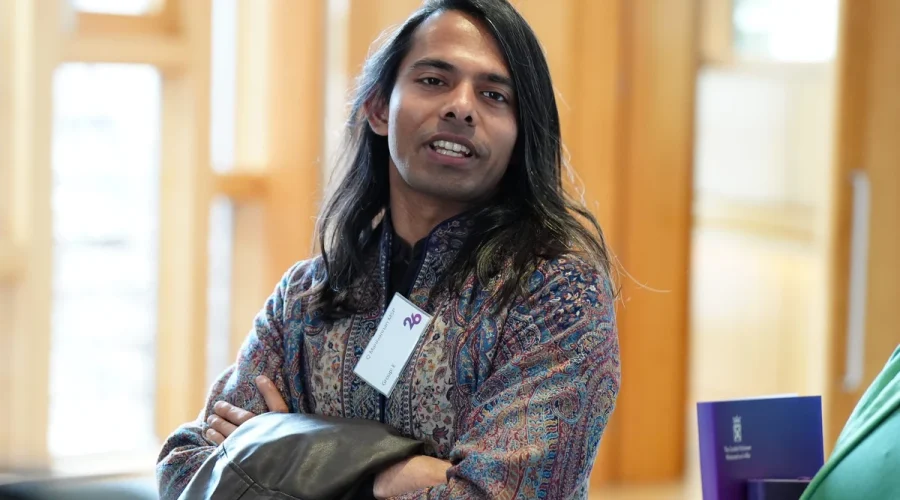
Green MSP Faces Backlash Over Rape Spectrum Remarks
Traveloasisspot.com – A Scottish Green Member of the Scottish Parliament has drawn sharp criticism from survivors’ advocates and political opponents following the resurgence of comments describing rape as existing on a spectrum. Q Manivannan, a non-binary MSP who uses they/them pronouns, is now under scrutiny after remarks made during a podcast recording last year were shared widely across social media platforms over the weekend. The Scottish Rape Crisis Alliance, an organization representing four distinct rape crisis centres throughout Scotland, issued a formal open letter expressing deep concern about the MSP’s statements. The alliance made clear that there should be no hierarchy when evaluating different forms of sexual violence, and urged Manivannan not to minimize the severity of these crimes.
Original Comments Spark Controversy
During the nearly hour-long episode of The Subjective Space podcast, Manivannan discussed what they described as a “demonisation of rape” in contemporary society. The MSP went further to explain their perspective on how rape should be understood.
It is a spectrum, none of which is any worse or less or more worse, but it is a spectrum of things that constitute that one homogenised word, rape.
Manivannan also introduced the concept of “different modes” of both consent and rape, suggesting that the traditional understanding of these concepts might benefit from greater nuance. When addressing common perceptions of rapists, the MSP acknowledged that the image of a “big, big, burly man” was “not necessarily unfounded” but argued this stereotype had been “misconstrued” because “any individual is capable” of committing rape.
Rape Crisis Alliance Responds
The SRCA’s response was firm and comprehensive. The organization stated it “fundamentally rejects the suggestion that society is demonising rape” and emphasized that recognizing complexity does not require creating ambiguity about rape itself.
We do not need to exaggerate its seriousness. We do not need to turn perpetrators into mythical monsters. But neither should we be afraid to say plainly that rape is horrific, that it causes profound trauma and harm, and that responsibility for that harm belongs with the person who chose to violate another person.
The alliance’s letter highlighted that survivors should never have to question whether their experience was “serious enough” to warrant recognition. They stressed that there is “no level of suffering a survivor must demonstrate before their experience becomes serious enough to matter.”
Political Reactions Mount
The controversy quickly attracted attention from across the political spectrum. Scotland’s children’s minister joined Labour and Liberal Democrat representatives in criticizing Manivannan’s comments. The Scottish Conservatives went further, calling for the Scottish Greens to suspend the MSP pending review of the statements. Meghan Gallacher, a Conservative MSP, described the remarks as “appalling and beyond the pale.” She characterized it as “deeply alarming” for an elected representative to “minimise the seriousness of rape and suggest that there is a spectrum of offences.”
Q Manivannan’s comments were so unacceptable that I believe Scottish Greens co-leaders Ross Greer and Gillian Mackay must now remove the whip from them. Any failure to do so would send a horrendous message to victims of rape that Q’s comments were in any way appropriate and run the risk of them saying something similar in the Holyrood chamber.
Broader Implications for Survivors
The SRCA’s letter extended beyond immediate criticism to address how political discourse shapes public understanding of sexual violence. The organization urged all political representatives to be “unequivocal” in their approach to these issues.
We are asking the Scottish Green Party, and all political representatives, to be unequivocal. Do not minimise rape. Do not normalise sexual violence. Do not create hierarchies of harm.
The alliance emphasized that survivors should not be asked to “make their experiences smaller so that political conversations can be made more comfortable.” They also reminded readers that the person at the centre of these discussions is “not a theoretical concept. She is not a statistic. She is not a political pawn.” The Scottish Greens have been contacted for their response to the growing criticism. As the debate continues, the incident highlights ongoing tensions between efforts to create more nuanced understanding of sexual violence and concerns that such approaches may inadvertently diminish the gravity of these crimes for survivors.
Related Reading
Frequently Asked Questions
What is Rape crisis centres condemn Green MSP s?
Rape crisis centres condemn Green MSP s is the main topic of this guide. The article explains the context, practical details, and next steps readers should understand.
Why does Rape crisis centres condemn Green MSP s matter?
Rape crisis centres condemn Green MSP s matters because readers are looking for a useful answer, not just a short summary. Good content should match search intent and help them decide what to do next.