Capital Residents Told to Embrace Dirty Cars Amid Severe Water Shortage
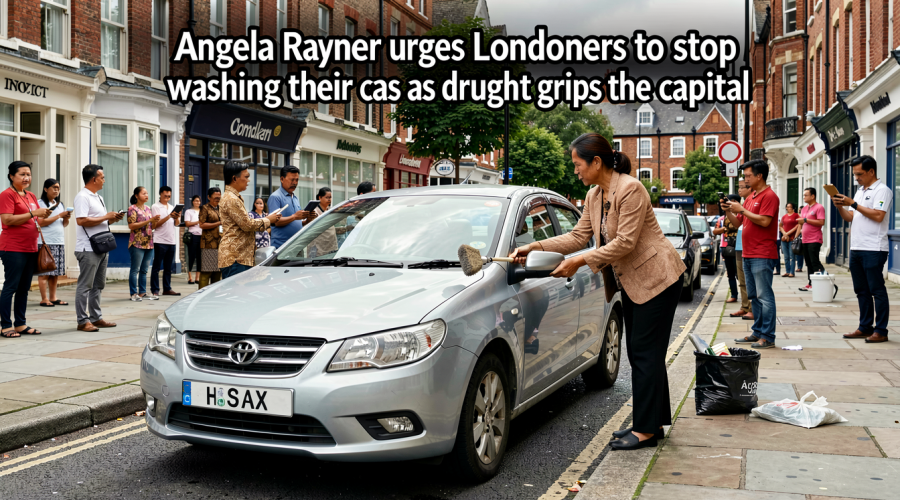
Traveloasisspot.com – Londoners have been asked to reconsider their car-washing habits as the capital endures one of its most challenging dry periods in recent memory. Communities Secretary Angela Rayner has called on residents to exercise restraint and keep their vehicles unclean while water reserves face mounting pressure across the region.
The situation has intensified following consecutive periods of intense heat that have drained reservoirs and triggered emergency measures. More than two-thirds of England now operates under restricted water usage protocols, with the capital experiencing what officials describe as a “flash drought” — a rapid onset of dry conditions that catches communities off guard.
A Historic Dry Spell Takes Hold
London’s weather patterns have shifted dramatically this summer. The last substantial rainfall arrived in late June, leaving July on track to become a landmark month in the city’s meteorological history. For portions of the capital, this marks the first entirely rainless calendar month since systematic weather documentation began over a century and a half ago.
Kew Gardens provides a striking example of the severity. The botanical institution recorded zero measurable precipitation throughout July — an occurrence not witnessed since 1871. Such extended dry periods place enormous strain on urban water infrastructure and daily life for millions of residents.
While a hosepipe ban already restricts certain water uses in the capital, with violators potentially facing penalties reaching £1,000, officials are now asking people to go further. The government minister has specifically encouraged Londoners to pause car washing entirely until water supplies stabilize.
Government Response and Public Reaction
During a discussion on LBC Radio, the Cabinet minister explained why additional restrictions became necessary. When asked by presenter Nick Ferrari whether she could accept a dirty car for several weeks, her response was immediate and supportive.
I’m totally with you. I mean, it’s very rare I get to the car wash these days, but I just think…if you’ve got a shortage of water, you have to be sensible, don’t you?
We need drinking water and we need water that goes to our households and businesses before we wash our car.
Her statements reflect a broader prioritization of essential water needs over convenience during this critical period. The minister’s willingness to share personal habits — noting she rarely visits car washes herself — helped humanize the message for listeners.
Green Spaces Under Threat
The environmental impact extends beyond water taps into London’s beloved outdoor spaces. Parks, commons, and royal gardens have transformed from lush green landscapes into yellow and brown terrain following weeks of relentless sunshine. The capital now prepares for what meteorologists predict will be its fifth heatwave of 2026.
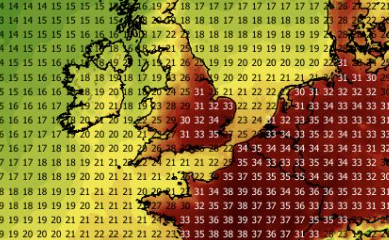
The Met Office forecasts temperatures climbing to 32°C on Wednesday and reaching 35°C by Thursday. These readings have prompted amber heat health alerts across most of England, including the densely populated South East region.
A joint assessment released today by the National Lottery and Heritage Fund alongside Historic England highlights particular vulnerability among London’s green spaces. The report indicates that many sites lack adequate preparation for climate change impacts, despite implementing practical adaptation measures where possible.
Organizations managing these spaces report spending increasing amounts of time on emergency responses and routine maintenance rather than long-term development projects. The strain is visible both in parched lawns and in the operational challenges faced by those who maintain them.
Emergency Services Strained to Capacity
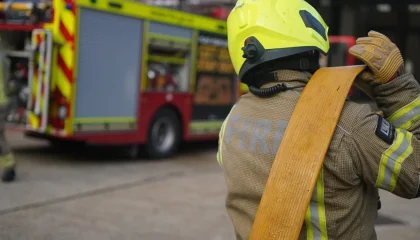
Beyond environmental concerns, the prolonged heatwave has created significant operational challenges for London’s emergency services. The London Fire Brigade has documented nearly twice the typical number of daily callouts during this period.
Wednesday, July 29, proved particularly demanding. Control officers processed over 1,300 emergency calls within a single 24-hour cycle — a record for the year. Firefighters responded to more than 500 separate incidents across the capital, including 63 distinct grass fires ignited by the dry conditions.
In one notable incident, 60 firefighters worked to contain a four-hectare grass blaze in Mitcham, demonstrating the scale of response required during peak conditions.
As temperatures continue their upward trajectory and water reserves face ongoing depletion, Londoners may need to adjust their expectations. The sight of a dust-covered vehicle parked on a residential street may soon become a common and accepted part of capital life until the rains return.
Related Reading
Frequently Asked Questions
What is Angela Rayner urges Londoners to stop?
Angela Rayner urges Londoners to stop is the main topic of this guide. The article explains the context, practical details, and next steps readers should understand.
Why does Angela Rayner urges Londoners to stop matter?
Angela Rayner urges Londoners to stop matters because readers are looking for a useful answer, not just a short summary. Good content should match search intent and help them decide what to do next.